Cork drunk driver crashed three times in a week but may avoid charges due to testing time limit
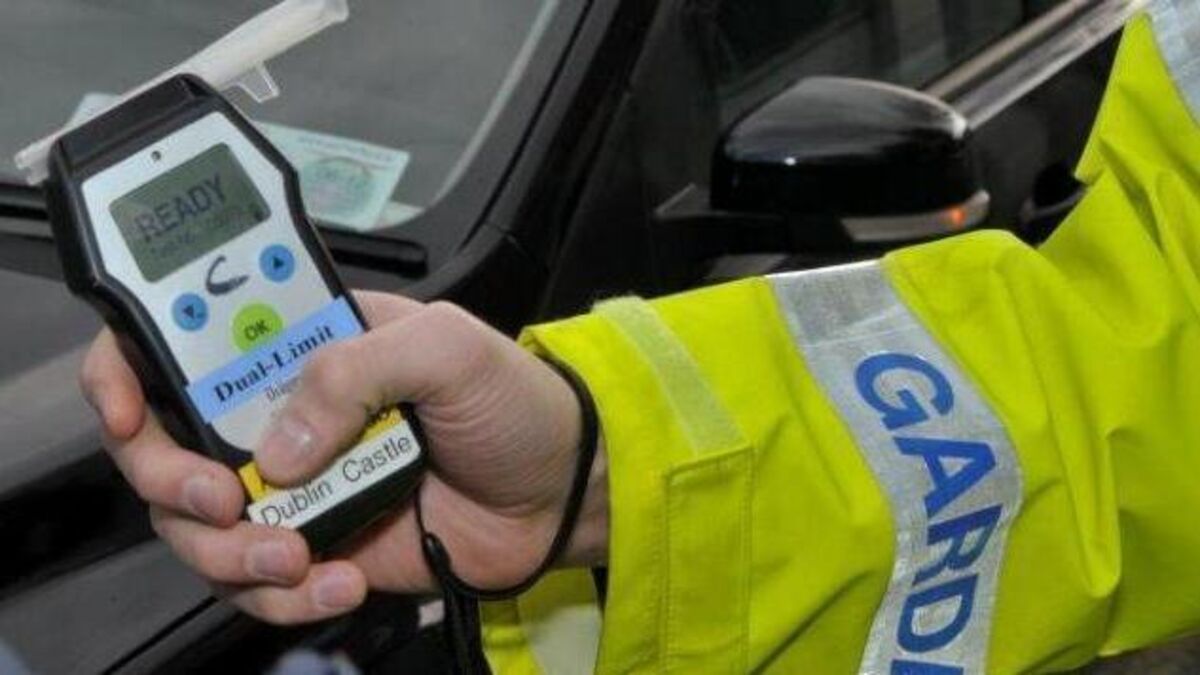
One man Mr Fogarty tended to recently in CUH had crashed his vehicle three times in one week while drunk but may have evaded prosecution, he said.
A Cork motorist who crashed his car drunk driving three times in one week in Cork may evade prosecution because no blood sample was taken within the three-hour time period.
Dr Eoin Fogarty, a consultant in emergency and retrieval medicine in Cork University Hospital (CUH), said that drink driving laws are so lax that he is now seeing repeat offenders coming into CUH's emergency department after drunken crashes.
One man Mr Fogarty tended to recently in CUH had crashed his vehicle three times in one week while drunk but may have evaded prosecution, he said.
"The crash was just outside Bantry. So the ambulance had to find him, and the fire service had to cut him out and transport him."
Three hours does not give gardaí enough time to direct a medic to take a sample in cases like this, Mr Fogarty said. And emergency doctors should be permitted to automatically take blood samples to test for intoxication from all road traffic patients, he said.
“When this happens, it’s invariably 3am or 4am, the gardaí are trying to preserve a scene, it could be a crime scene, there could be other victims they’re looking after.
No blood samples were taken from the man who crashed in West Cork within three hours after the crash, Mr Fogarty said.
And despite three drink-driving crashes in one week, his car could not be seized.
“On the third occasion, he wrote off his car, so he didn’t have a vehicle, but otherwise, he would have kept drinking and driving," Mr Fogarty said.
“He was in front of me, intoxicated. He said he had a problem with alcohol.”
Had the man been arrested in Australia, for example, the vehicle would have been seized. And if he was convicted, the State would take permanent possession of the vehicle, Mr Fogarty said.
“But here, gardaí just have to give him back the keys," the doctor noted.
The three-hour limit only applies after someone is arrested. If someone is taken to hospital for treatment but has not yet been arrested, they can be tested for intoxicants even after three hours from the time of driving. But the legislation is so complicated that many people, including gardaí, are unclear on the technicalities, a garda source said.
Cork City’s delegates at the recent Association of Garda Sergeants and Inspectors (AGSI) annual conference called for increasing the timeframe permitted for gardaí to take a sample from an arrested suspected intoxicated driver from three hours to five hours after the time of driving.








 App?
App?


