Cork's CUH ranked third from bottom for chemotherapy waits
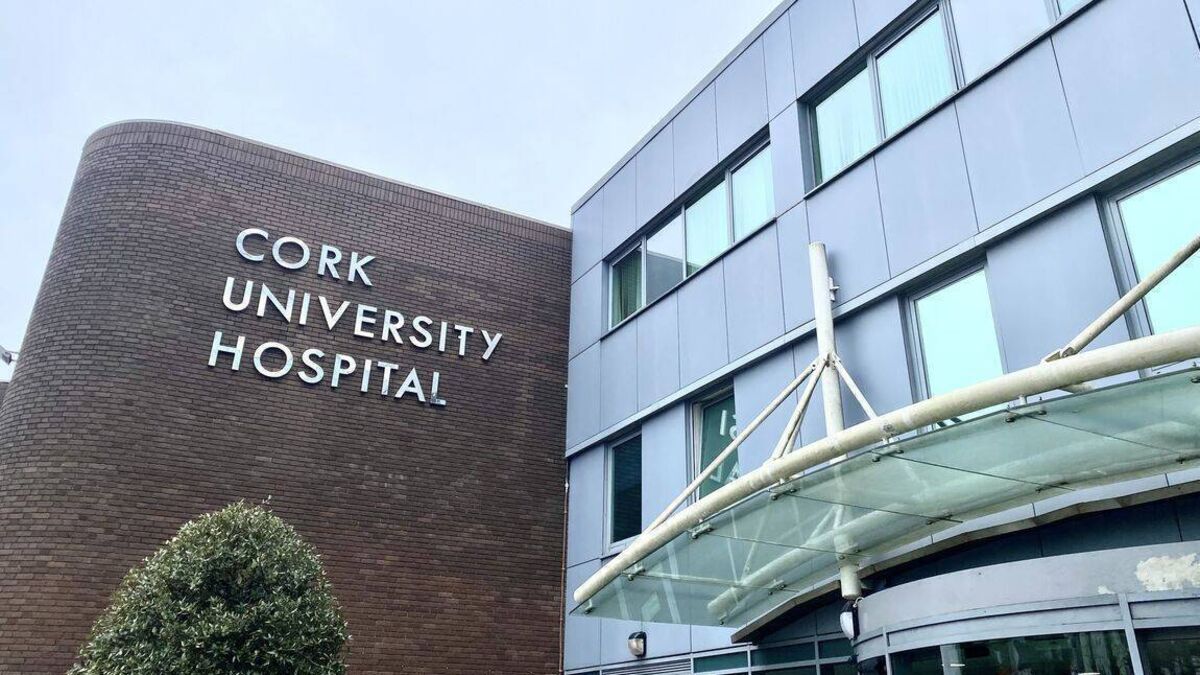
While seven more patients in need of surgical intervention for breast cancer were seen in 2025 when compared to 2024, more than 80 patients were treated outside the recommended timeframe.
People in Cork were among those waiting the longest for chemotherapy care in 2025, with Cork University Hospital (CUH) ranking third worst in the country, data shows.
Figures released by the HSE show that only 575 of the 836 patients deemed ready to treat received their first cycle of systemic therapy within the 15 working days timeframe.
This means 31.2% of patients waiting for chemotherapy at CUH last year did not receive their treatment on time within the day ward setting, ranking the hospital third from the bottom behind University Hospital Waterford and St Luke’s Hospital Dublin.
SURGERY
Those accessing surgery for breast cancer at CUH also faced delays last year, with only 132 of the 215 patients in need of surgical intervention receiving treatment within the recommended 20 day timeframe.
While seven more patients in need of surgical intervention for breast cancer were seen in 2025 when compared to 2024, more than 80 patients were treated outside the recommended timeframe last year, seeing CUH ranked second from the bottom nationally behind St James’s Hospital in Dublin.
Data published by the national treatment purchase fund also shows there are more than 2,300 outpatients at CUH waiting for their first breast surgery appointment, of which 81 have been waiting longer than six months, and 26 have been waiting longer than nine months.
Sinn Féin Cork South Central TD, Donnchadh Ó Laoghaire, who received the figures by way of a parliamentary question said, as a country, “we cannot allow cancer care to go backwards”.
“Delays are hurting people at every stage of a cancer patient’s journey because the problem is not in one single place,” said Mr Ó Laoghaire.
“Some hospitals do not have enough equipment, in others it is outdated, and while there are hospitals with new equipment, they cannot retain enough staff to operate it, meaning services can’t run at full capacity.
“Modern, up-to-date equipment must be matched with proper staffing, so capacity can be maximised,” he added.
“The solution is simple and this data must be a turning point.”
Keep up-to-date with the top stories in Cork with our daily newsletter straight to your inbox.
Please click here for our privacy statement.
Have you downloaded your FREE
App?

It's all about Cork!
Add Echolive.ie to your home screen - easy access to Cork news, views, sport and more