General Election 1981: Charlie Haughey deployed ‘greatest vote catcher Cork had ever known’
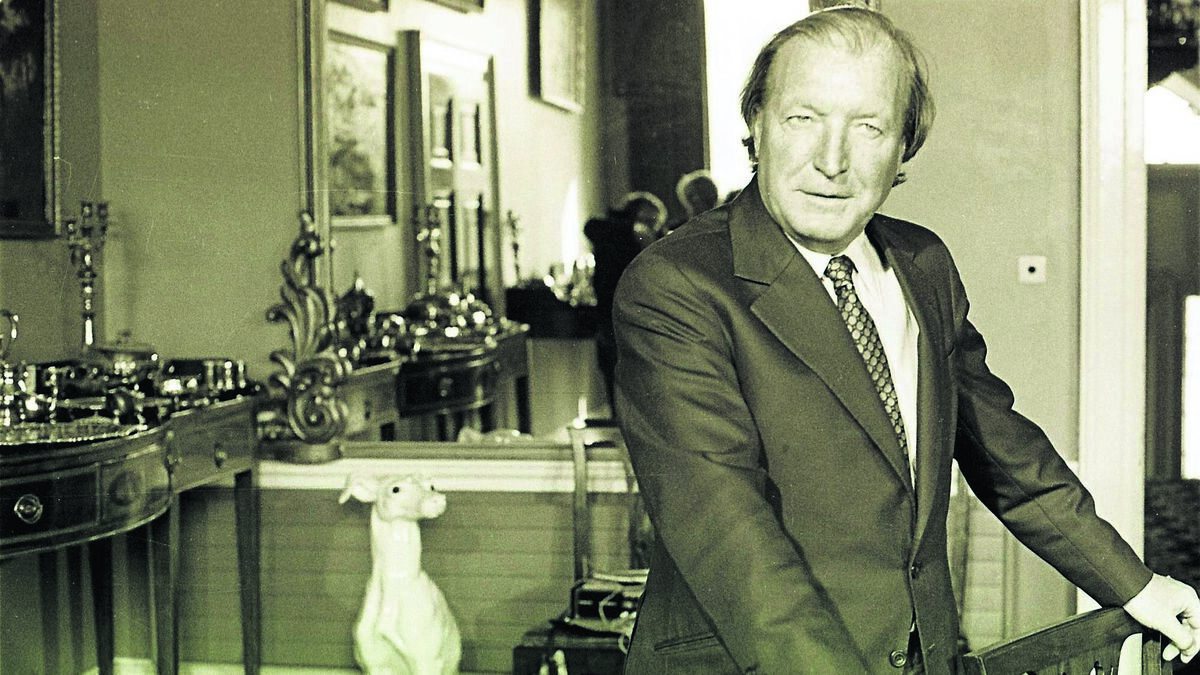
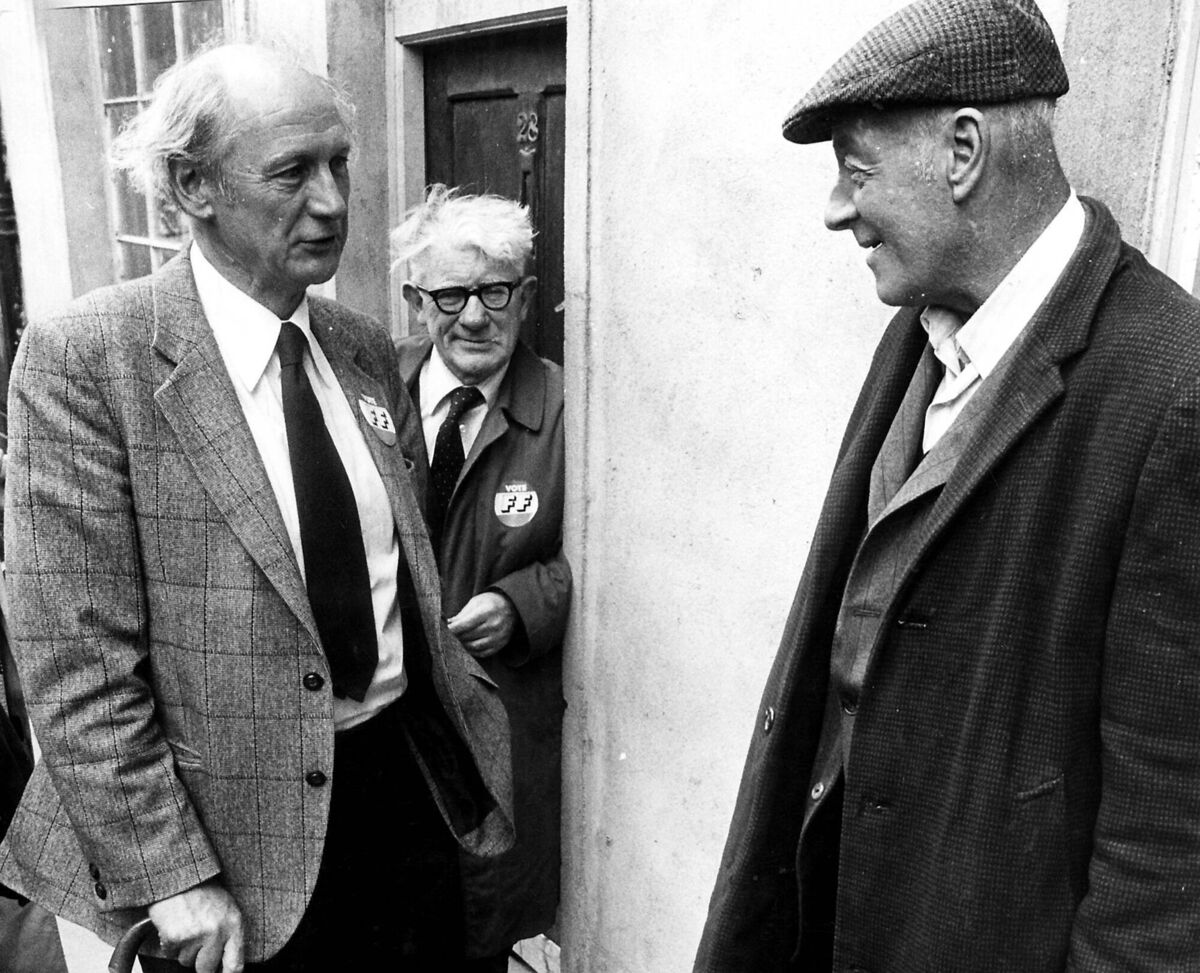
Former Taoiseach Charles Haughey was one of the main players in Irish politics for two decades.
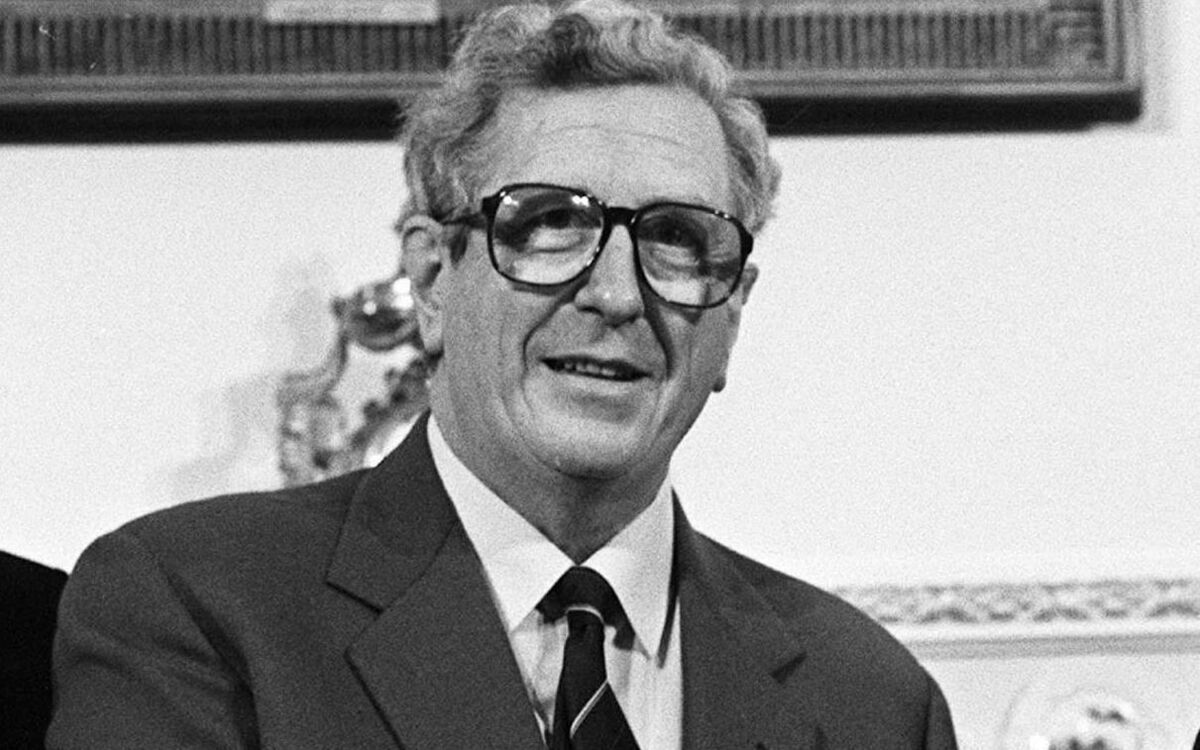
Charles Haughey had succeeded Jack Lynch as Taoiseach and Fianna Fáil leader in December, 1979, and had inherited an 84-seat majority, when, with 148 seats in the Dáil, all that was needed was 75.
With the number of Dáil seats increasing to 166 at the 1981 election, the number needed for a bare majority would, perhaps ironically, become 84.
Haughey would be one of three new party leaders contesting their first general election, as the defeat of the Grand Coalition government of Fine Gael and Labour in 1977 had resulted in the resignations of leaders Liam Cosgrave and Brendan Corish, with Garret FitzGerald and Frank Cluskey succeeding them respectively.
Fianna Fáil had been riding high in opinion polls at the start of the year, with Haughey expected to announce a run to the country at his party’s ard fheis on February 14.
The Stardust fire occurred in the early hours of St Valentine’s Day in Artane, in Haughey’s constituency, killing 48 people and injuring 214. “Death at the disco”, was the Evening Echo headline, adding: “The noise and screams were awful”.
The ard fheis was postponed, and the H-Block hunger strike erupted in the Maze Prison. By the time Haughey called an election, the tide had gone out for the ruling party.
On Wednesday, May 6, our top story began: “A line of mourners formed outside the house of the late Bobby Sands in West Belfast today as neighbours paid their last respects to the hunger striker lying in an open coffin…”
A week later, our splash began: “The death of a hunger striker, Francis Hughes, and the possibility of further deaths among the Provisional prisoners at the Maze, seems to be pushing back further and further the dates available to the Taoiseach for a General Election.”

By Thursday, May 21, the issue seemed settled. “Last day of Dáil? Election likely on June 11” was our headline. The next day, it was: “Ten per cent cut in tax”, as Fine Gael began the bidding. Fianna Fáil would in turn promise greater spending.
On Saturday, June 6, our headline “Garret claims huge swing” was countermanded across the page by “…But bookie has FF as minority government”.
The following Monday, we led with “Jack, vote catcher, is back in town”, as Charlie Haughey was said to be planning on rolling out a secret weapon on Leeside, his predecessor, Jack Lynch, “the greatest vote catcher Cork has ever known”.

Taking no chances, we led on election day with the safe headline “It could be very close”, beneath a montage of photos of Charles and Maureen Haughey voting in Kinsealy National School; President Paddy Hillery casting his vote “at the stroke of nine o’clock” at the national school in the Phoenix Park; Finance Minister Gene Fitzgerald voting with his wife Noreen in Bishopstown; and Garret and Joan FitzGerald voting in Rathmines.
The next day, we led with Dick Brazil’s story “Big names tumbling in election battle” as Labour leader Frank Cluskey was heading for the loss of his seat, as was Fianna Fáil TD for Cork South-West and future agriculture minister Joe Walsh, and MEP TJ Maher, running as an Independent in Tipperary South, was facing defeat.

Two Anti-H-Block candidates were elected, Paddy Agnew in Louth and Kieran Doherty in Cavan-Monaghan. Doherty, 25, died on hunger strike in the Maze on August 2. He remains the Dáil’s shortest-serving deputy.
In the end, Fianna Fáil lost six TDs, leaving the party with 78 seats, and Labour lost two, one of them its party leader. Fine Gael picked up a whopping 22 seats. Between them, Fine Gael and Labour had 80 seats.
By Thursday, June 18, our headline was “Coalition fancied”, as Garret FitzGerald resumed talks with the new Labour Party leader Michael O’Leary, who had replaced Frank Cluskey the night before.
The next day, politics was pushed off the top slot and our headline “Gardai believe killer is known” related to the murder of Nora Sheehan, a 53-year-old mother of three from Kilreendowney Place, Ballyphehane, whose body had been found in Shippool Woods in Innishannon.
In August, 2023, fully 42 years later, legal history would be made when Noel Long, by then 74 years old, a sex offender with an address at Maulbawn, Passage West, was found guilty of Mrs Sheehan’s murder. It marked the longest span in Irish history between a murder being committed and a conviction being secured.
Coalition talks wore on, and on Tuesday, June 30, our city final edition led with a line that was of its time: “With the whole nation (and indeed Irishmen everywhere) anxiously awaiting today’s cliffhanger vote for Taoiseach in Dáil Éireann, an air of unprecedented tension and excitement built up in Leinster House all through the early afternoon”.
Later that day, a minority Fine Gael and Labour government was formed, with Garret FitzGerald as Taoiseach. It would only last seven months, falling over budget proposals to put VAT on children’s shoes.

App?