Contentious road for crucial EU Nature Restoration Law
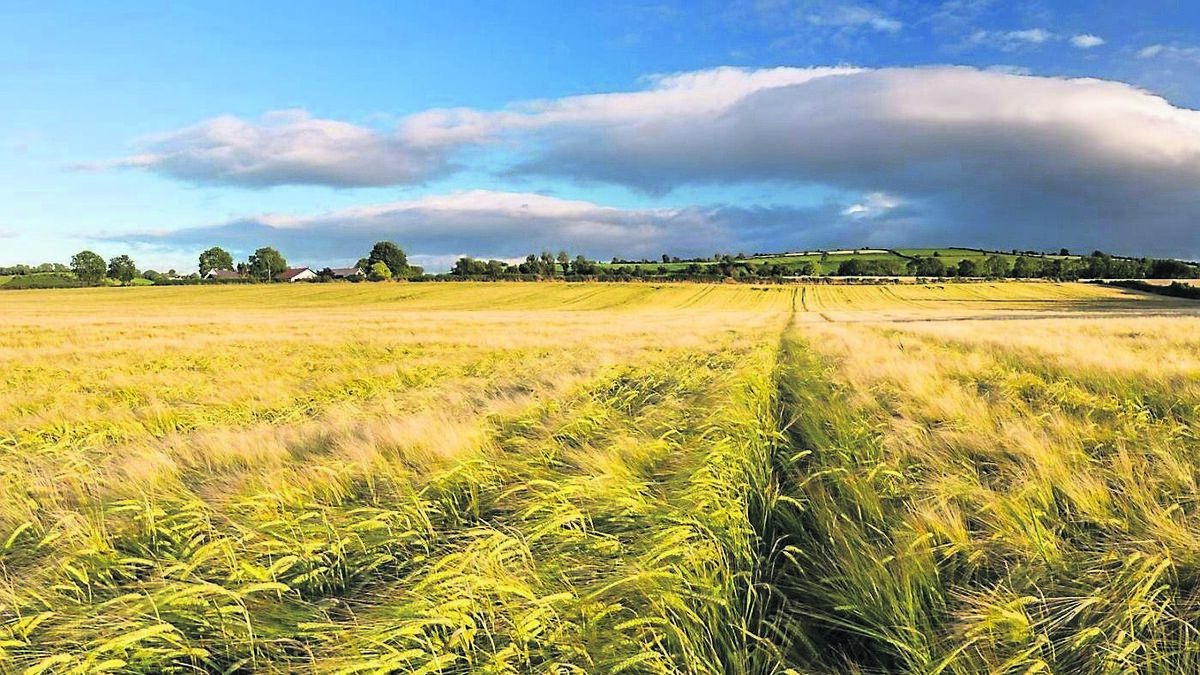
Our landscape is steeped in generations of cultural history and sustains us in a very visceral way, says Noelle O'Connell.
LANDSCAPE is integral to Irish identity. It is steeped in generations of cultural history and sustains us in a very visceral way.
The Irish Heritage Council writes that landscape is “both our inheritance and our gift to the future”.
Writer and documentary-maker, Manchán Magan, tells us in his 2020 book that the Irish language has 32 words for field. Among them are: Geamhar, a field of corn-grass; Tuar, a field for cattle at night, and Reidhlean, a field for games or dancing.
However, despite its significance in Irish heritage and way of life, the health of our natural landscape is at risk. The European Environmental Agency’s latest assessment found that Europe’s biodiversity continues to decline at an alarming rate, with most protected species and habitats found to have a poor conservation status. According to 2023 figures, a staggering 60%-70% of soils were in an unhealthy state across the EU.
In Ireland, 85% of the 59 habitats listed under the EU Habitats Directive, covering marine, freshwater, peatland, grassland, and woodland habitats, were reported as having “unfavourable status” according to Ireland’s Environmental Protection Agency. Agriculture, the extraction of resources (including peat), as well as urbanisation and invasive species, were all cited as being the main pressures.
Action needed
The need for action is acute so what is the EU doing about it? While EU policies have in the past focused on protecting nature, the damage has already been done to our natural world.
It is no longer enough to protect ecosystems in their current state, but rather it is urgent to assess our nature sites that have already been degraded and restore them to a healthy condition.
In this vein, on February 27, the European Parliament adopted the EU Nature Restoration Law, with 329 votes in favour, 275 against, and 24 abstentions. Eleven of Ireland’s 13 MEPs voted to support the law.
This new regulation, as provisionally agreed, legally binds EU member states to restore at least 20% of the EU’s land and sea areas by 2030 and all ecosystems in need of restoration by 2050.
Regarding specific habitats covered by the new law, member states are required to restore 30% of habitats, including forests, grasslands, wetlands, rivers, lakes, and coral beds from poor to good condition by 2030. This target will increase to 60% of those habitats by 2040, and 90% by 2050.
In a letter sent to MEP Billy Kelleher in March, European commissioner for the environment, oceans and fisheries, Virginijus Sinkevičius, said that the implementation of the Nature Restoration Law in Ireland is in the hands of the Government, with considerable flexibility offered to member states.
Long road
It has been a long and contentious road for the Nature Restoration Law. The recent protests by farmers across the EU serve as a very visible indicator of the pressures faced by those who work directly with our natural landscape.
Over the last few months, farmers here in Ireland, as well as in countries such as Poland, Germany, and France, have taken to the streets to protest against rising costs, reduced incomes, and the burdens associated with overregulation.
The Irish Farmers’ Association has voiced concerns over the lack of concrete plans, as well as the absence of a dedicated funding stream at the EU level. It has called for “workable” solutions that take into account the needs of farmers.
Importantly, the Government has clarified that the legal obligation to achieve the Nature Restoration Law targets is on the member state, not on the landowner. Participation by landowners in all restoration measures will be on a voluntary basis, including the rewetting of peatlands. Additionally, Mr Sinkevičius confirmed that the measures will not have any negative impacts on Common Agricultural Policy commitments or payments.
The Nature Restoration Law is envisaged to come under existing EU funding streams such as the Life Programme, the European Agricultural Fund for Rural Development, and the European Agricultural Guarantee Fund. The Government has set aside a €3.15bn Climate and Nature Fund, which was announced as part of Budget 2024, to support the implementation of nature restoration measures across the country.
The next steps include a consultation at the national level on how to allocate these funds and achieve the EU’s targets.
The Nature Restoration Law was set to receive its final approval from the EU’s environment ministers in the Council in Brussels today. However, approval of the law was withdrawn from the agenda of the meeting after, reportedly, there was insufficient support from member states. Under the qualified majority voting system in the Council, the law would need the support of at least 15 member states, representing 65% or more of the EU population.
While there may be concerns about its implementation and enforcement, the Nature Restoration Law would signify a crucial milestone in the EU’s commitment to take the lead in the fight against environmental degradation.
Healthy ecosystems and biodiversity are not just nice to have — ecosystem degradation poses a serious threat to human health, water supply, and food security. Environmental protection should not be a partisan issue; it is a responsibility we all share as custodians of our landscape for future generations.
- Since 1954, the European Movement Ireland's mission has been to develop the connection between Ireland and Europe, and to achieve greater public understanding of and engagement with the EU.




 App?
App?


