Nostalgia: Public Museum houses large parts of Cork’s rich and fascinating history
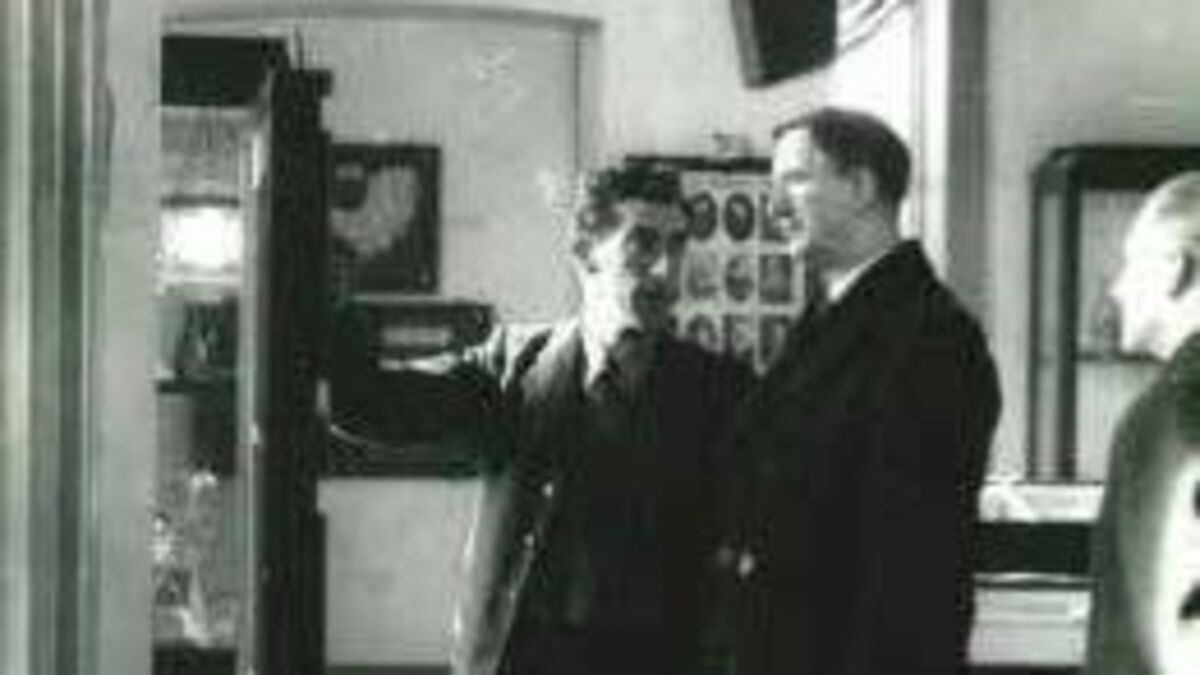
Michael J O'Kelly shows Taoiseach Éamon de Valera the 1916 display at Cork Public Museum in 1946.
CORK Public Museum was recently announced as one of a number of historic buildings to secure funding through the Historic Structures Fund (HSF).
The HSF provides grants of between €15,000 and €200,000 to support major conservation works to significant historic buildings.
Under the latest tranche of funding announced last week by the Minister of State with responsibility for Nature, Heritage and Electoral Reform, Malcolm Noonan, €610,000 of a total of €4.5m went to 12 projects in Cork, including €114,000 for Cork Public Museum.
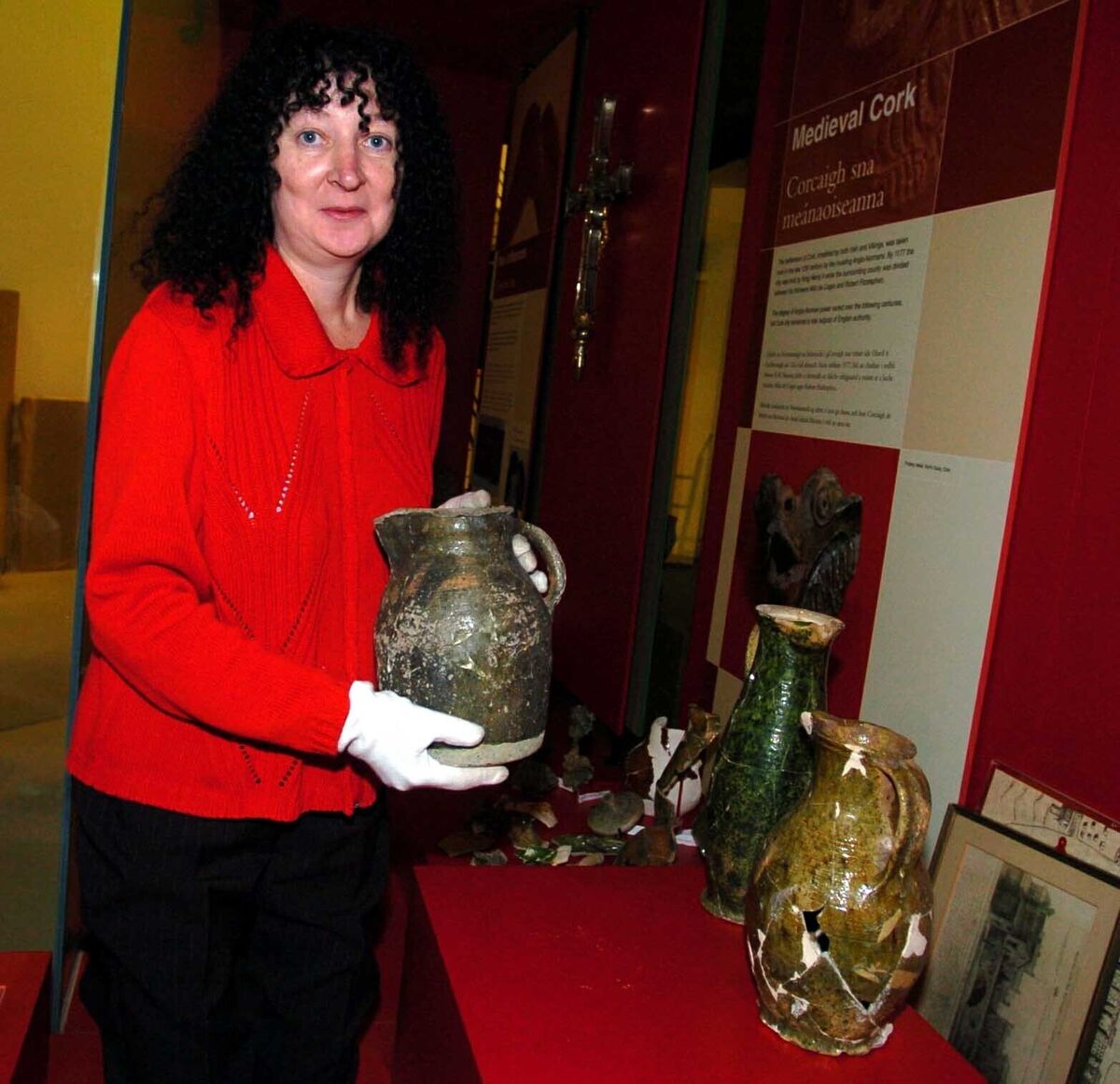
Given the funding boost, this week's takes a look back at the history of Cork Public Museum, the oldest local authority museum in Ireland.
The museum, located in Fitzgerald's Park, is housed in two buildings - a mid-nineteenth century Georgian style house and a modern extension.
The old museum was originally the private residence of Charles Beamish, a member of the famous brewing family.
Following his death, it was put on market to be leased and had a number of residents before it was converted to a museum.
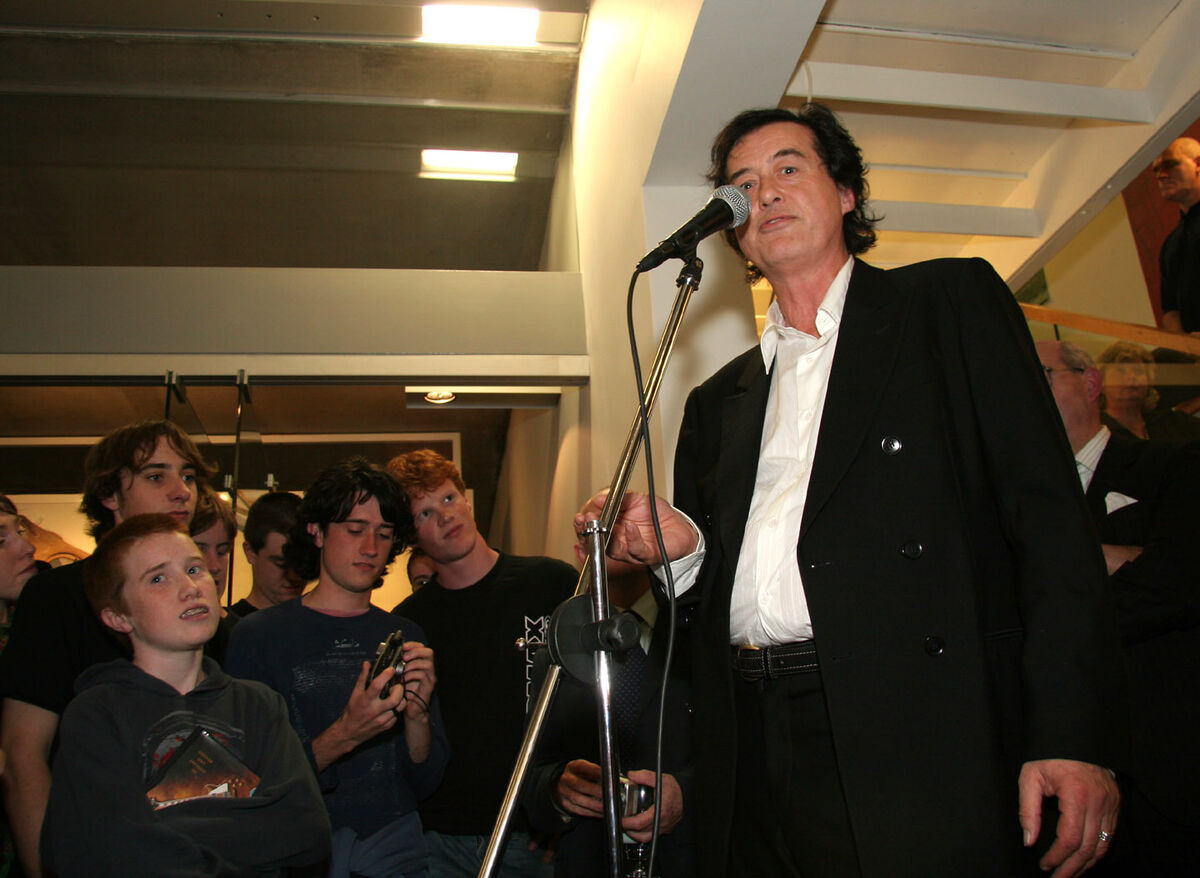
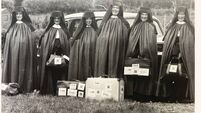
Among them, according to a detailed history of the museum on Cork City Council's website, were the Bon Secours nuns, who used the building as their headquarters from which they administered home care for the sick in the city over the period 1869-1879.
"A major turning point in the building’s history occurred at the beginning of the twentieth century when Cork hosted two 'International Exhibitions' on the Mardyke.
"The success of the 1902/1903 Cork International Exhibitions, where a profit of £6,500 was made, allowed for the purchase of the house and adjacent land. These were later gifted to the city on condition that a public park and museum were established," the council notes.
'Fitzgerald Park Municipal Museum' was set up in what was then known as Shrubbery House under the curatorship of J. P. Dalton.
It was said to contain "an eclectic mix of art, design, archaeology and novelty", however, "the deteriorating nature of the building and the lack of ideal exhibition conditions deterred many from donating or loaning material to the museum".
Following the appointment of Philip Monahan as city manager in 1924, the museum shut down and was used as Monahan's headquarters.
It would not be until 1945 that another museum, Cork Public Museum, would open at the site.
Over the course of the rest of the 20th century and into the next, the museum continued to evolve and put on exhibitions and educational events about Cork’s past.
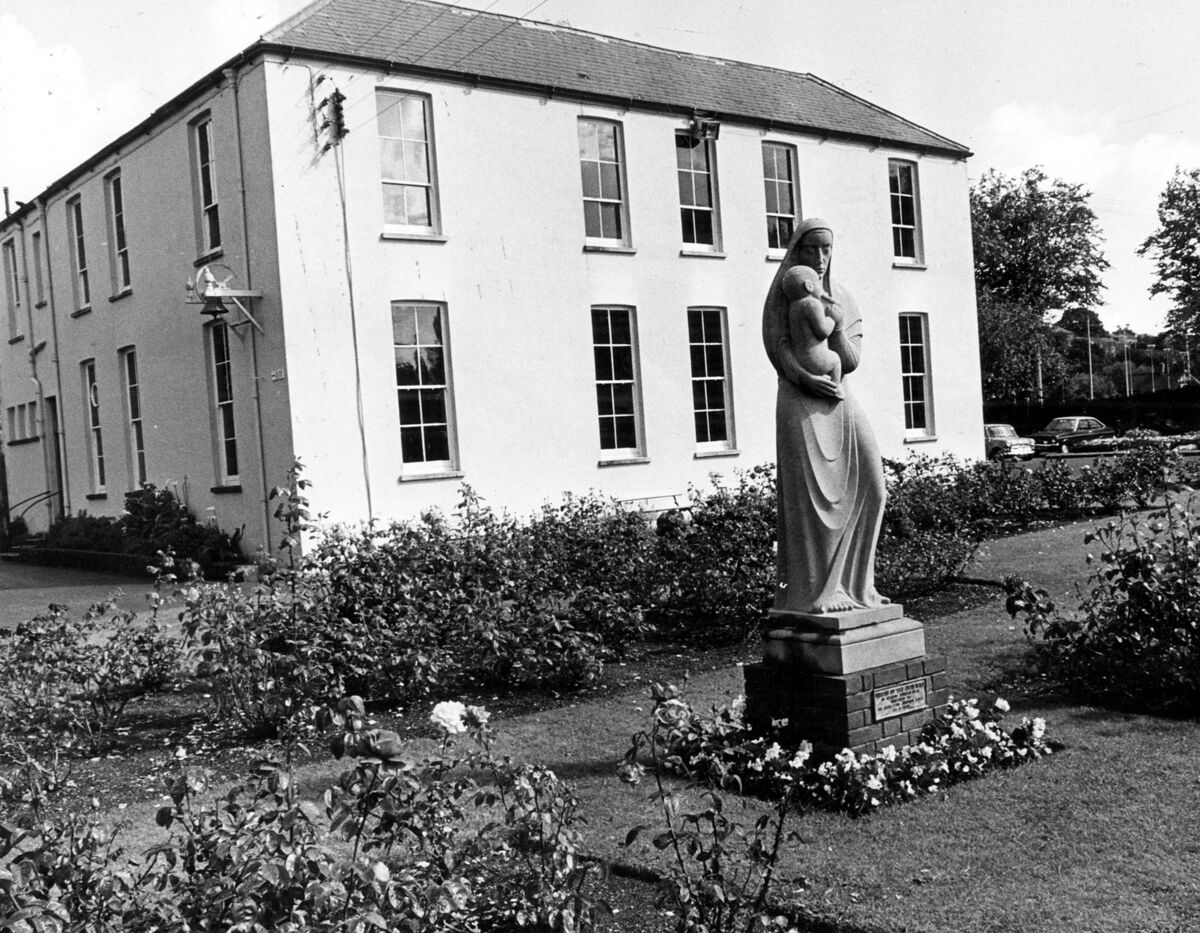
A major milestone for the museum came in 2005 when a €2m extension was officially opened.
"Hundreds of ancient artifacts, sporting memorabilia and quirky items can be viewed today at the newly-renovated Cork Public Museum," an article in February 10's then titled read.
"A €2m extension to the attraction was officially opened yesterday.
"One such item is a shoe left behind by a Polish count who was Europe's smallest man, measuring 39 inches in height.
"He was part of a travelling show and left his shoe behind when he was staying at North Main Street.
"A Roy Keane Man United jersey also hangs among sporting memorabilia."
Twenty years on from that, Cork Public Museum will see another major milestone next year when it marks 80 years in operation.




 App?
App?


