UCC researchers compile toolkit for conservation work
The team behind the toolkit hope that it will be an “easy-to-follow” blueprint for others in conservation work.
UCC researchers compile toolkit for conservation work

A team of researchers primarily based in University College Cork have compiled a toolkit to help with conservation projects, based in part on research conducted at Fota Wildlife Park. Picture: Daniel Moloney

A TEAM of researchers primarily based in University College Cork (UCC) have compiled a toolkit for conservation projects, and it is based in part on research conducted at Fota Wildlife Park.

The team behind the toolkit hope that it will be an “easy-to-follow” blueprint for others in conservation work.

The project, published in Biological Conservation, is led by PhD candidate Daniel Moloney, of UCC’s School of Biological, Earth and Environmental Sciences (BEES).

“The goal of making this toolkit was to provide an easy-to-follow guide for anyone looking to get involved in conservation projects,” said Mr Moloney.

“It’s essentially a checklist put together by examining the experience of hundreds of conservation participants worldwide and trying to boil their experiences down to the most important questions.”

The research was co-funded by Fota Wildlife Park and the Irish Research Council.

The researchers, who include Professor Ruth Ramsay, Dr Paul Holloway, and Dr Courtney Collins, also identified techniques that conservationists can employ, both in captive and wild settings.

Included in these are examples such as head-starting projects, where juveniles of an endangered species are collected soon after they hatch/are born and are raised for a brief period in captivity.

This enables the animals time to grow and develop, and aims to increase their likelihood of survival and of reaching adulthood when they are returned to the wild.

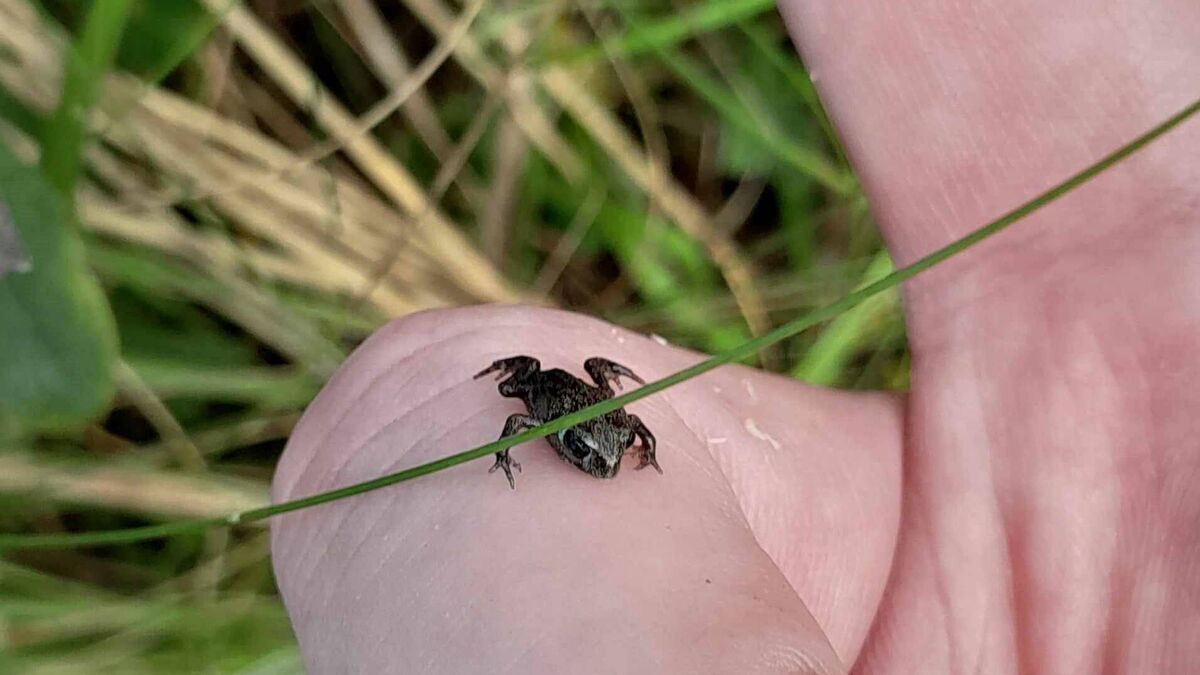
Currently, part of Mr Moloney’s PhD includes assessing an ongoing head-starting project for Natterjack Toads, which has been a joint effort between Fota Wildlife Park, Dingle Aquarium, and the National Park and Wildlife Service.

The toolkit also highlights the important role that the public have in supporting conservation.

“The local community provide an essential asset in conservation projects,” said Dr Holloway.

“Successful conservation is not possible without the public, whether that is through access to land for animals and researchers, local rewilding of gardens and public spaces to provide habitat, donating to conservation activities, or supporting new and ongoing initiatives. Many wildlife parks have information on local and international conservation projects and are a great place for people to engage with nature and educate themselves about how best to support conservation efforts.”

The toolkit and accompanying article provide an introduction to, and breakdown of, an array of conservation methods in captivity and the wild.

The paper examines the pitfalls and issues that can reduce the success of conservation projects and provide a guide to aid others in avoiding them.

More in this section

CUH restrictions due to norovirus outbreak to remain in place this weekend CUH restrictions due to norovirus outbreak to remain in place this weekend
Woman needed stitches after alleged assault by male in Cork home, court hears Woman needed stitches after alleged assault by male in Cork home, court hears
Community at Cork's Graball Bay 'fear for their safety', court is told Community at Cork's Graball Bay 'fear for their safety', court is told

Sponsored Content

The power of the G licence The power of the G licence
Happy couple receiving new house keys from real estate agent Time to get to grips with changes in rental laws
Boatbuilder turned engineer proves alternative paths can lead to success Boatbuilder turned engineer proves alternative paths can lead to success
Contact Us Cookie Policy Privacy Policy Terms and Conditions

© Examiner Echo Group Limited

Add Echolive.ie to your home screen - easy access to Cork news, views, sport and more