TV: The Irish angels who answered NHS SOS

A new documentary, Emerald Nightingales – Irish Nurses In The NHS on RTÉ1 on Wednesday at 10.35pm tells the powerful story of those migrants.
From the 1940s to the 1970s, when times were hard in Ireland and jobs scarce, thousands of women found jobs in British hospitals, bringing care, resilience, and professionalism to its rapidly evolving healthcare system.
The film features intimate interviews with surviving nurses from that era, who share vivid memories of both hardship and hope. Their voices are set against a visual backdrop of repurposed archival footage that immerses viewers in the working environments they once navigated, offering an honest and moving portrait of life on the wards.
Emerald Nightingales is both a historical document and a heartfelt tribute to generations of Irish women whose service and sacrifice remain a cornerstone of NHS history.
During World War II, Irish- trained and trainee nurses were exempt from wartime restrictions on Irish immigration. With the launch of the NHS in 1948, they were directly recruited into nursing in England in local labour exchanges as well as ads in Irish newspapers.
Recruitment campaigns in the 1950s and the 1960s saw NHS staff travel across Ireland, often setting up in local hotels, in big cities and remote rural areas, to interview and recruit Irish teenagers for nursing training. Thousands of such young women were then assigned to train and work in hospitals throughout Britain.
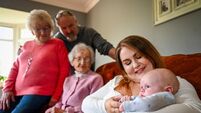
The documentary has grown out of a wider, ongoing, oral history project based at London Metropolitan University’s Irish Nurses Oral History Project, led by Professor Louise Ryan and Grainne McPolin, a former nurse turned radio producer. Interviewees included the plain-talking Mary Hazard (pictured on the cover of TV Week) who migrated to London in 1952.
A natural storyteller, she offers some wonderful, funny, and moving stories about her years as a student nurse in London and her adventures both inside the hospital and out and about socialising during the 1950s.
Her career developed over time, combined with single parenthood and several personal tragedies. Nevertheless, despite it all, she remained strong and positive. Having retired at 60, Mary was drawn back into nursing in a local GP surgery and continued to work until she was 79.





 App?
App?


