CUH cancer genetics pilot cuts waiting times
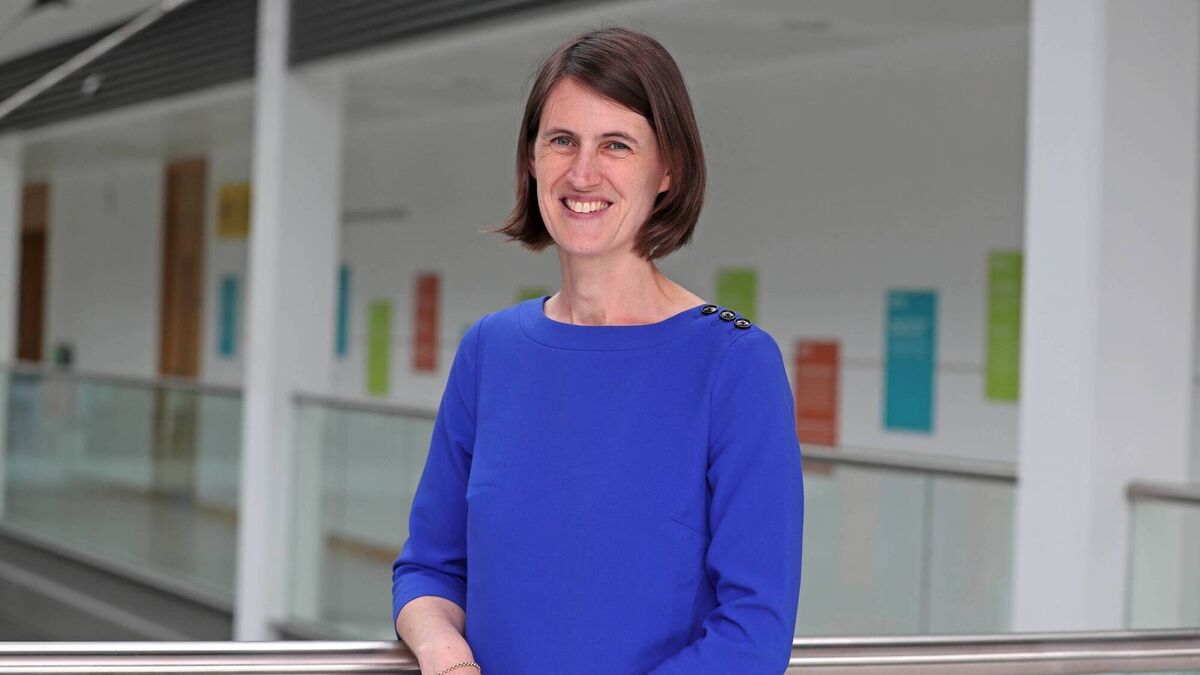
Professor Roisin Connolly, director of Cancer Research at UCC and academic director of CUH/UCC Cancer Centre has said additional funding could lead to significant improvement for Cork patients.
CUH cancer genetics pilot cuts waiting times

Professor Roisin Connolly, director of Cancer Research at UCC and academic director of CUH/UCC Cancer Centre has said additional funding could lead to significant improvement for Cork patients. Picture: Jim Coughlan.


A CANCER genetics pilot programme in Cork University Hospital for some cancer types over the last year has “dramatically reduced timelines for patients for counselling and genetic results from two years down to six weeks”.

However, the Irish Cancer Society has highlighted how the HSE staffing moratorium has impacted on the ability to deliver various cancer services — with radiation equipment at the Cork Cancer Centre in the Cork University Hospital (CUH) currently lying idle.

Professor Roisin Connolly, director of Cancer Research at UCC and academic director of CUH/UCC Cancer Centre has said additional funding could lead to significant improvement for Cork patients.

Prof Connolly’s comments come as the Irish Cancer Society has asked for an additional €20m in 2025 in new recurrent funding for the National Cancer Strategy in its pre-budget submission.

The organisation also highlighted the need for an assessment of the funding needs of cancer services in addition to this extra €20m per annum minimum funding, to ensure full implementation of the National Cancer Strategy by 2026, and an end to the recruitment embargo.

Prof Connolly told The Echo: “The Irish Cancer Society have rightly highlighted the HSE moratorium on staffing is really affecting our ability to optimally deliver cancer services. Even with cases of extended staff leave or retirement, we’re not able to replace staff.

“One issue is the embargo, another is ensuring we have the capacity to train and retain staff. As an example, UCC has a new master’s programme for radiation therapy, which is a huge advantage. But we need to ensure, as a country, that we are training the staff necessary to run our cancer services and also retaining the staff through ensuring they are content in the workplace.”

Prof Connolly said the CUH Cancer Centre has radiation equipment that is lying idle at the moment, explaining: “We and others around the country have technology that cannot be staffed currently due to the embargo.”

Prof Connolly, who works as a medical oncologist at the CUH, said there is more positive news for Cork and the region, as the CUH/UCC Cancer Centre was moving towards accreditation by the Organisation of European Cancer Institutes (OECI) as a centre of excellence for cancer care, research, and education.

She said enhanced funding of this critical area is an urgent need, explaining: “Our cancer clinical trials unit in CUH has been active for over 20 years, but only about 3% of our patients currently get onto a clinical trial.

“We’re really keen to expand that to 6%, which is the national benchmark, and beyond to the 10% OECI benchmark.

“More core national funding for clinical trials would be hugely beneficial.

“We know if patients get onto a trial, then patient outcomes are better.”

Participation in clinical trials allows patients to get access to new drugs sooner than they can be approved in the country, and patients also benefit from new devices to make better treatment decisions, new radiation and surgical techniques, and survivorship or supportive care interventions.

Prof Connolly said that as well as expanding the offering at Cork, having clinical trials available closer to home in other hospitals in the region such as University Hospital Kerry would also make a huge difference in people’s lives.

Another area of success in Cork, but that would also benefit greatly from additional funding support, is cancer genetics.

There has been a cancer genetics pilot programme in Cork University Hospital for some cancer types over the last year which Prof Connolly said has “dramatically reduced timelines for patients for counselling and genetic results from two years down to six weeks.”

“This needs to be expanded and sustained, so we can work alongside national colleagues to roll out the National Strategy for Accelerating Genetic and Genomic Medicine in Ireland, because it means that patients in our region don’t have to travel to Dublin for this service, as well as reducing wait times,” she said.

They are hoping for ringfenced funding so that the pilot can be sustained and expanded from diagnostic testing to predictive testing for family members.

“That could lead to preventative strategies that reduce cancer risk in both patients and family members, including, for example, preventive surgeries to reduce breast or ovarian cancer risk,” she said.

“Having adequate infrastructure for preventative oncology and also for cancer survivorship initiatives, is a priority area for our cancer centre.”

Read More

more #Cancer articles

Cancer Connect’s to hold A Cup of Kindness Tea Party Cancer Connect’s to hold A Cup of Kindness Tea Party
Cork hospital psychologist to support patients undergoing cancer treatment Cork hospital psychologist to support patients undergoing cancer treatment
Almost €80k raised for 6-year-old Darragh after suspected broken nose led to a cancer diagnosis Almost €80k raised for 6-year-old Darragh after suspected broken nose led to a cancer diagnosis

More in this section

House key with home keyring in keyhole on wood door, copy space Tourist areas should be exempt from short term letting rules, says West Cork councillor  
The Apprentice 2026 Young Cork businessman taking part in new season of The Apprentice 
Car rushes along the highway at sunset , low angle side view Jump in seizures of uninsured cars; majority of Cork seizures in city 

Sponsored Content

Turning risk into reward: Top business risks in 2026 Turning risk into reward: Top business risks in 2026
Top tips to protect Ireland's plant health Top tips to protect Ireland's plant health
River Boyne in County Meath, Ireland. Water matters: protecting Ireland’s most precious resource
Contact Us Cookie Policy Privacy Policy Terms and Conditions

© Examiner Echo Group Limited

Add Echolive.ie to your home screen - easy access to Cork news, views, sport and more