Julie Helen: 'I found Being Heumann emotional to watch'

A scene from the film Being Heumann, about a disability campaign in the U.S 50 years ago
Being Heumann is a newly-released biographical film about the advocacy of activist Judy Heumann in America.
She led the largest sit-in of disabled people in government buildings, trying to force the US government to sign regulations aimed at making America more accessible for disabled people in the 1970s.
Her efforts were successful, resulting in what we now know as the Americans with Disabilities Act. Judy’s advocacy was not a one-off, she was radical and unrelenting and advocated for her whole life.
She contracted polio as a child and experienced paralysis. In later years, she took legal action to get a teacher’s licence as she had been denied it due to her disability. She was a trailblazer and I find her story, and indeed the film itself, which is available on Apple TV, emotional to watch.
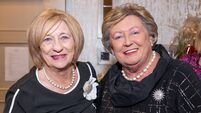
There was only one person I could watch it with. Laura and I have been friends since we were three and although our disabilities are different, our world views are similar and we have shared so many experiences and can connect on disability-related issues in a very open and often darkly humourous way.
We could watch it without having to explain to each other. We know. We get it.
We share a disgust for the way people talk about disabled people as being inspirational for just doing ordinary things. Laura could call me inspirational with a glint in her eye that nobody else would understand, and in the next second she could take a sip from a cup of scalding tea because it was too full before handing it to me, so I wouldn’t spill it all over myself. We would laugh about that too, but it is with the beautiful knowledge that we have each other’s backs.
When we heard the word ‘inspiring’ in Being Heumann, we paused and checked the time, it had been uttered by a reporter 26 minutes in and the group of disabled people had just taken over government buildings in San Francisco, where they stayed for 26 days in the Department of Health Education and Welfare: the longest peaceful occupation of a federal building in U.S history.
The reporter didn’t use the word in a patronising way, but by the end of the campaign, journalists were allies to the cause.
At the start of the occupation, supporters had to knock a partition so protestors could use the toilet. We also saw that disabled people had to make decisions to leave and prioritise their health because their bodies were under extra pressure.They dealt with the toll of advocacy very well.
Friends of Judy’s fell out with her at times or felt undermined when she became tunnel-visioned and extremely radical. There was turmoil, at times the advocates found it challenging to agree as each person had different access needs and varying priorities. Ultimately, they stuck together and achieved what the sit- in aimed to do.
The end of the film showed real footage of disabled people protesting again in 1990, and to this day, advocacy for equal rights is ongoing. It’s the same here in Ireland too, in small ways and big ways. We still have too many people living in institutions and nursing homes and fighting for school places or jobs. The original ask is the same as in 1977, equal access to opportunity like Judy Heumann fought for.
Sign up to receive our weekly newsletter to be in with a chance to win prizes and see what's coming up in The Echo
Have you downloaded your FREE
App?

It's all about Cork!
Add Echolive.ie to your home screen - easy access to Cork news, views, sport and more