Cork doctor shares practical advice on getting ready to go back to school
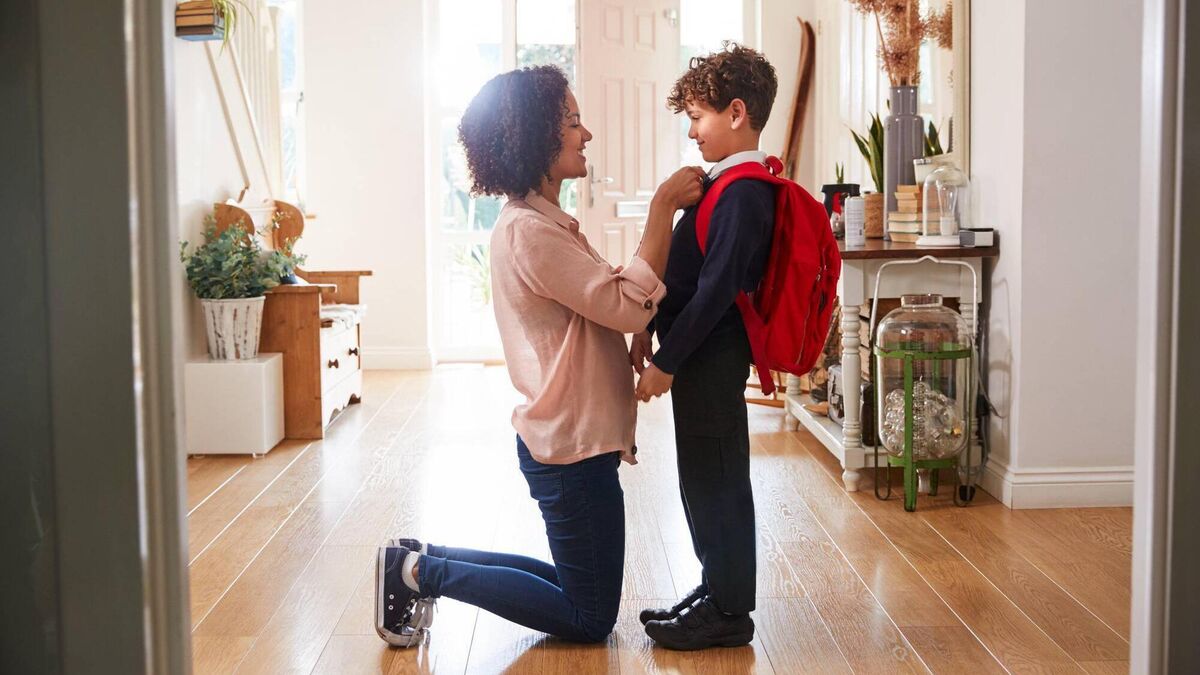
As families across Cork prepare for the beginning or the return to school after the summer, DR CATHERINE CONLON shares practical advice to help make the transition easier.
Cork doctor shares practical advice on getting ready to go back to school

After months of being with family, many children feel nervous about returning to school. Taking the time to listen can help ease anxieties.
“Don’t you just love New York in the fall? It makes me want to buy school supplies,” said Tom Hanks to Meg Ryan in the film You’ve Got Mail.

Fresh pencils, the right backpack, the perfect lunchbox, pencil case, new shoes and runners, new uniform, and the coolest notebooks and stationery. In the wind-down of summer as we head into September, households up and down Cork are getting ready for the start or the return to school.

Preparations can bring a mix of emotions, anxiety over new classes and new friends, worry over costs, and stress over all the organisation that is involved.

The time to get into a new routine after the long summer holidays is fast approaching.

But starting, or even returning to school, can be an anxious time for children and parents, according to Dr Abigail Collins, HSE National Clinical Lead, Child Health Public Health.

“There are some things you can do to help get ready. Letting your child know what to expect when they go back to school can ease their worries. Talk through practical things like how they will get to school, who will pick them up, and what happens after school, so there are no surprises.

Getting a good sleep routine re-established after the summer break is key, says Dr Conlon.

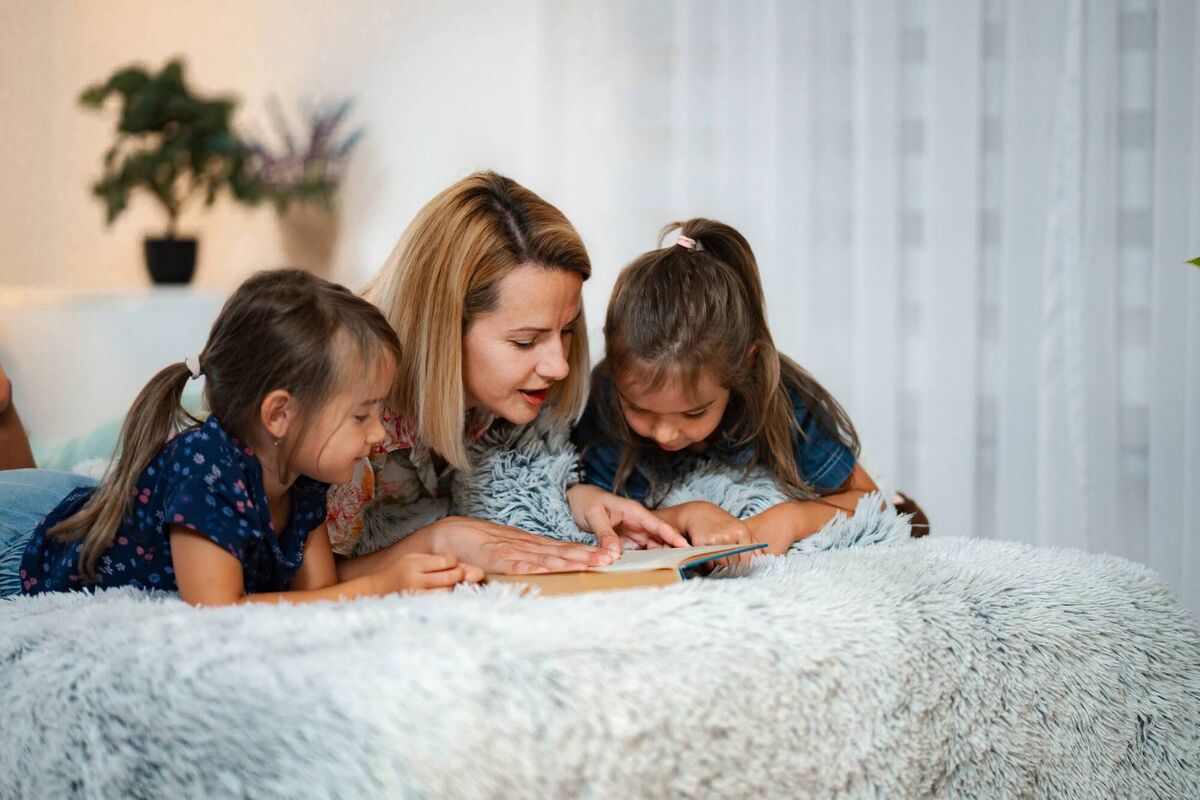
“Other ways include packing their bag a few days before returning, ‘playing school’ with younger children using their favourite toys, reading stories, or colouring together. Let them help getting things ready like sharpening pencils and labelling uniforms so they feel excited and in control.”

One of the most important things to get right from the very beginning is sleep.

Summertime means routines are upended. Brighter evenings, holidays, summer camps and other activities mean sleep schedules can change. Try to keep bedtime and morning routines consistent to ease the transition when school returns. A calm routine with time to read, bedtime stories and chat supports a good night’s sleep.

Screen time and meals are two areas that can also be difficult to get back into a routine. The HSE advises patience and reintroducing routines slowly. Trying to get children around the table for the evening meal most weekday evenings can really help stay in touch with what is going on in their lives at school, as well as having a regular routine around homecooked food.

The first few weeks can be exhausting for parents as well as children. Things should settle down after the first few weeks. Small steps are better than a host of big changes introduced at once. Remember. Nobody’s perfect.

Helping children get ready

After months of being with family, many children feel nervous about returning to school. Taking the time to listen can help ease anxieties. Saying something like “I can see why you’re feeling worried” lets children know their feelings are understood. Reassure them that they are not the only ones returning to school who feel anxious and remind them of the times they faced fears before and got through it.

In other words, “how do you eat an elephant? One bite at a time.” If things don’t improve and your child is constantly anxious and it’s starting to affect their daily life, or they are struggling at school with friends, talking to their teacher or GP can help.

Choosing the right bag and shoes

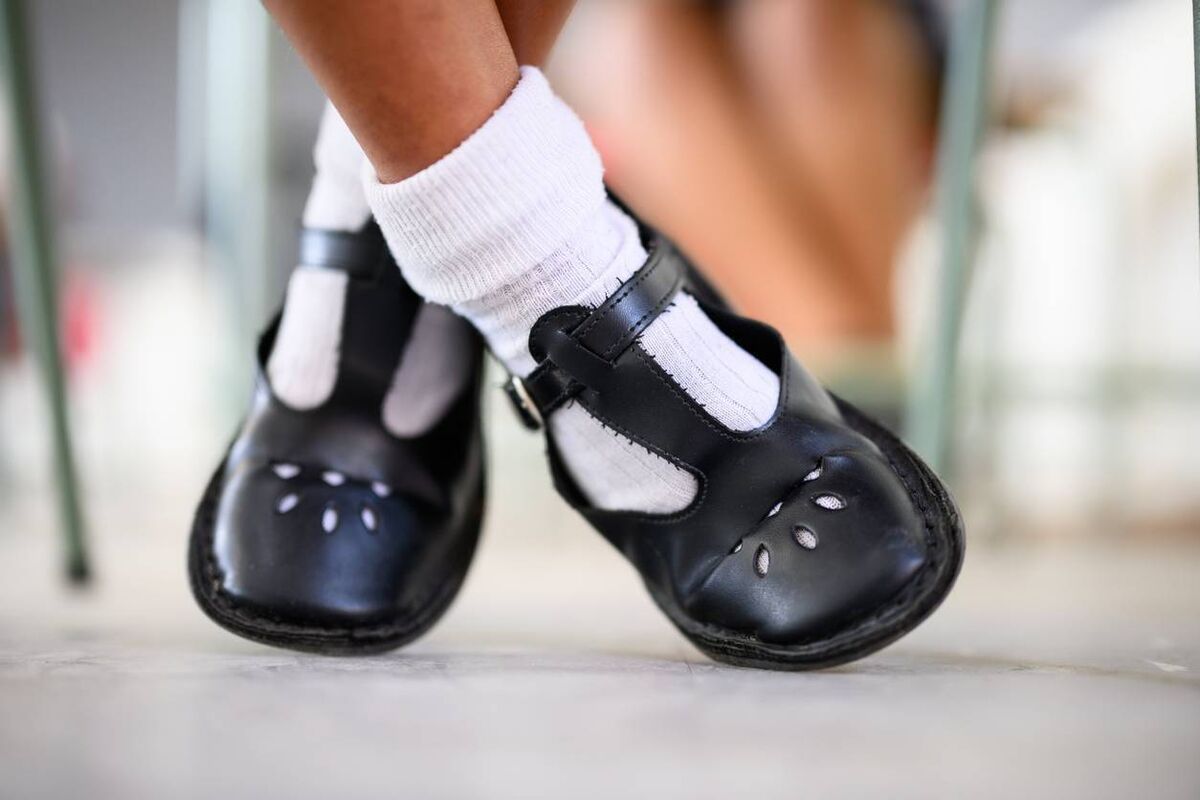
The HSE highlights the importance of supportive shoes and an appropriate backpack for the school year. Remember, shoes and backpacks will be used almost every day, so investing in good quality will pay off.

School shoes should provide good support, with around 1cm between the toes and the top of the shoe.

While children will look for superhero themes, favourite teams or colours, even more important is good support for small backs. That means two wide, padded, adjustable straps that are tight enough to hold the bag close to the body and a waist belt that can support some of the weight.
School shoes should be comfortable and provide good support. Children should be able to wiggle their toes, and there should be abut 1cm of space between the toes and the tip of the shoe.

Classrooms bugs

Classrooms with lots of children packed into rooms for hours on end can become hotbeds of common illnesses including colds, flu, hand, foot and mouth, RSV, chickenpox and slapped cheek syndrome.

All of these infections are transmitted by coughing or sneezing, so hand hygiene is one of the most important aspects of reducing the risk of infection.

Parents are often unsure whether children should attend school with minor illnesses. The HSE advises that children can usually attend school with general cold symptoms, including minor cough, runny nose or sore throat; while children with a temperature of 38C or more, diarrhoea or vomiting, or who are low in energy should stay at home.

Finally, head lice and nits are very common in children. And it’s not surprising – lots of children sitting side by side with long hair is head lice heaven. Head lice are insects that spread through head-to-head contact, while nits are the empty egg cases left behind when the lice hatch.

Head lice eggs can stick to hair shafts close to the scalp, whereas nits can be found a little distance from the scalp.

Headlice should be removed by wet combing as soon as you spot them. Everyone in the household should also be checked, including adults. You can buy a special fine-toothed comb from pharmacies or online. Your pharmacist can advise on a head lice treatment to kill the lice. Lotions come with a comb to remove dead lice and eggs. Treatment may have to be repeated a week later to kill any newly hatched lice.

School health programme

When your child starts school, they will be offered vision and hearing screening in junior infants as part of the HSE’s school health programme. These tests help to identify any potential hearing or vision issues that your child may have. The screening is carried out by a public health nurse in school.

Children will be offered some health checks when starting school.

Junior infants and first year secondary school students are offered vaccination at school to protect them against serious illness.

Here’s a quick summary of what children are offered:

In the first term of junior infants in primary school, children are offered a booster of tetanus, diphtheria, pertussis and polio (4-in-1) and a booster of measles, mumps and rubella (MMR).

In first year of secondary school, children are offered human papilloma virus (HPV) vaccine, another booster against diphtheria, pertussis and tetanus (Tdap) and a bacterial meningitis vaccine (MenACWY).

Confused? It’s not surprising. I get confused, and I deal with these schedules every day. But the benefits of these free programmes cannot be underestimated. There has been a rise in measles and whooping cough infections in Europe in recent years so it’s more important than ever that children are up to date with all their vaccines.

Finally, the free nasal flu vaccine for children aged 2 to 17 will be available in the autumn from participating GPs, pharmacies and some schools.

Best of luck to all children returning to school this autumn. Enjoy the season of sharpened pencils as you factor in good routines around sleep, screens, mealtimes, physical activity and rest – for parents and children alike.

  • Dr Catherine Conlon is a public health doctor in Cork

more #Back to school articles

School bag. Backpack with supplies for school 5 thrifty ways to save on back-to-school costs
Empty Classroom Ready For Pupils Minister Moynihan to meet East Cork parents in call for special school
Cork councillor wants access to school buses for all children Cork councillor wants access to school buses for all children

More in this section

Beautiful woman applying moisturizing creme on face after shower Emer O'Callaghan: We're in peak wedding season...here's my advice on getting ready for the day
9627 What should a perimenopausal skincare routine look like?
Cork author: Why Heartstopper has been healing for many Cork author: Why Heartstopper has been healing for many

Sponsored Content

Transform your career, your way: choose MTU part-time education Transform your career, your way: choose MTU part-time education
Keeping their house in order: How PSRA regulation has raised the bar for Ireland’s property services sector Keeping their house in order: How PSRA regulation has raised the bar for Ireland’s property services sector
"My master's at UL taught me that structured learning and a demanding career can coexist" "My master's at UL taught me that structured learning and a demanding career can coexist"
Contact Us Cookie Policy Privacy Policy Terms and Conditions

© Examiner Echo Group Limited

Add Echolive.ie to your home screen - easy access to Cork news, views, sport and more