My Career: ‘What I enjoy most is being able to combine my role with work in practice’
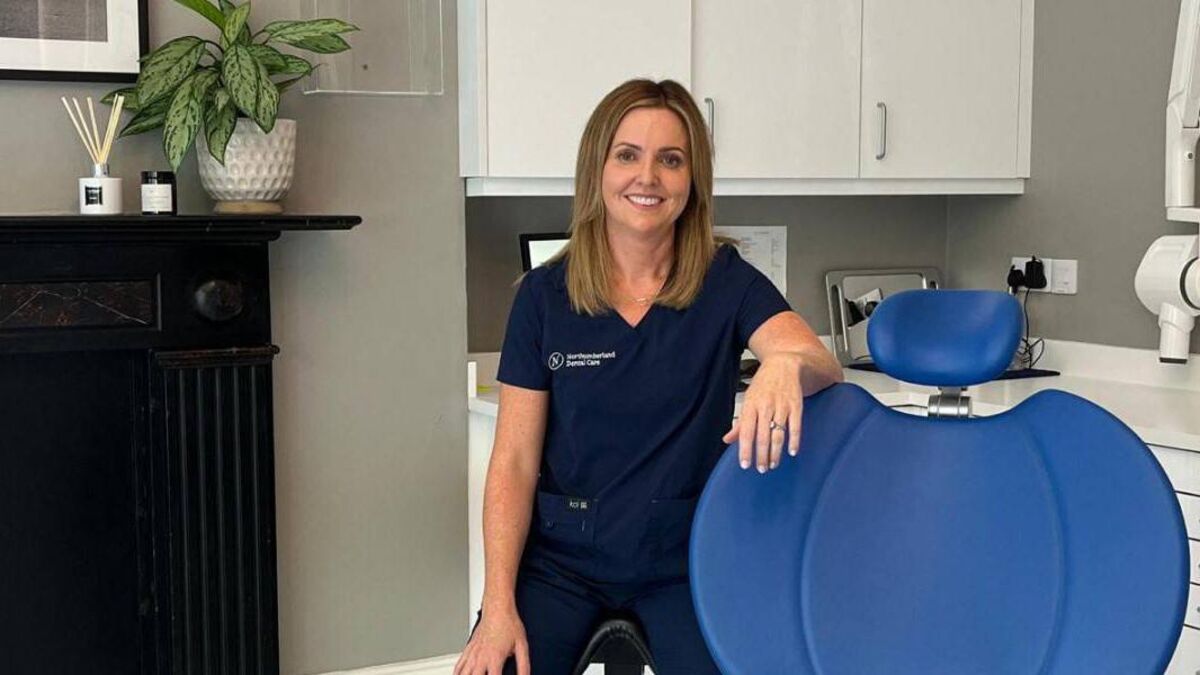
"Dentistry has changed significantly over recent years and we are seeing more and more female dentists entering the workforce."
Name: Dr Jennifer Collins
Age: 45
Lives: Dublin, originally from Charleville in Co. Cork
Job title: Clinical Director, Dental Care Ireland
Salary bracket: Enough to live a comfortable life!
Education background: I attended St Mary’s Secondary School in Charleville, Co. Cork, and went on to study dentistry at University of Wales, College of Medicine in Cardiff.
Hobbies: Tennis, cooking, pilates, hiking, travelling.
Describe your job in five words: Leadership, coaching, improving, growth, supporting.
Describe yourself in five words: Resilient, tenacious, empathetic, ambitious, motivated.
Personality needed for this kind of work?
As a dentist, I would say communication and empathy come top of the list, along with patience and attention to detail.
For a role as clinical director, it’s vital to enjoy helping people succeed, whether that’s supporting dentists, maintaining clinical standards, or creating opportunities for learning and development.
How long are you doing this job?
I have been working as a dentist for 22 years. I first joined Dental Care Ireland in 2019 as lead general dentist at the group’s Ballsbridge practice in Dublin, where I continue to manage a busy patient base. I took on the role of clinical director over five years ago, which involves providing clinical support and training to clinicians across Dental Care Ireland’s network of 37 practices nationwide.
How did you get this job?
After graduating, I began my career working in oral and maxillofacial surgery in the UK.
I then worked in private dental practices for many years in Dublin, focusing on restorative and cosmetic dentistry.
Shortly after I joined the Dental Care Ireland group, the covid-19 pandemic happened. It changed how dental teams worked and accessed support and education. During that period, there was a real need for clinical leadership, guidance, and structured educational opportunities for dentists across the group. I took on the role of clinical director and discovered that I really enjoyed supporting and developing clinicians, building education programmes, and helping shape clinical standards and compliance.
What I enjoy most is that I’ve been able to combine that leadership role with continuing to work part-time as a dentist in private practice, as well as raising my children.
Do you need particular qualifications or experience?
For a clinical director role, you need to be qualified in dentistry with strong clinical experience. Understanding the realities of day-to-day clinical practice is essential when supporting and advising dentists.
Throughout my career, I have been actively involved with professional organisations and committees, including the Irish Dental Association.
Over the years, that involvement exposed me to education, leadership, governance and professional development, all of which helped build the skills and perspective to transition into and thrive in a leadership role.
Describe a day at work: No two days are ever the same, which is one of the things that I most enjoy about my role with Dental Care Ireland.
A typical day as clinical director might involve supporting dentists with clinical queries, meeting with teams, reviewing clinical standards and compliance, planning education programmes and delivering training sessions.
I also regularly engage with our practices all over the country to understand local challenges and support dentists directly. Four of our practices are located in Cork (Douglas, Ballincollig, Mayfield and Cork city). so I often combine work with a visit home to see my parents.
How many hours do you work a week?
About 30 hours in total.
Is your industry male or female-dominated?
Dentistry has changed significantly over recent years and we are seeing more and more female dentists entering the workforce. I think having a diverse profession brings different perspectives and experiences, which benefit both dental teams and patients.
Is your job stressful? How? Rate it on a scale of 1-10:
Overall, I’d rate my role as around 7 out of 10. It is challenging but hugely rewarding. Like most healthcare roles, there are stressful moments in every day because the work matters and decisions can have a real impact. However, I’ve learned that good teams, good communication, empathy, and maintaining perspective make a huge difference.
Do you work with others or on your own?
I work very much with others. My role is centred around supporting dentists and working with practice teams across the Dental Care Ireland group.
While I work independently on occasions, the majority of the work involves collaborating, communicating, and working as a team.
When do you plan to retire or give up working?
My mother only retired last year as a doctor from Limerick Regional Hospital, which set a high bar!
I don’t think I’ll work until my mid-70s like she did, but I’d like to stay involved for many years yet, particularly in mentoring, education, and supporting the next generation of dentists.
Best bits: The best part is working with dentists to guide and support them through the years, and then seeing them thrive and flourish. It is by far the most rewarding aspect of the job.
Worst bits: The hardest part of the job is juggling multiple priorities at once. Some days it feels like there are a lot of plates spinning, between clinical work, leadership and family life.
Advice to those who want your job?
I would say be curious, be open to opportunities, and be ready to wear a lot of hats! Clinical experience is key, but don’t underestimate the value of leadership, communication and a willingness to help others grow.
It is a very rewarding path, but one where you have to balance clinical excellence with supporting a team and also constantly learning yourself.

App?