I Wish founder's advice: 'Stay curious about how STEM can help you do what you love better'
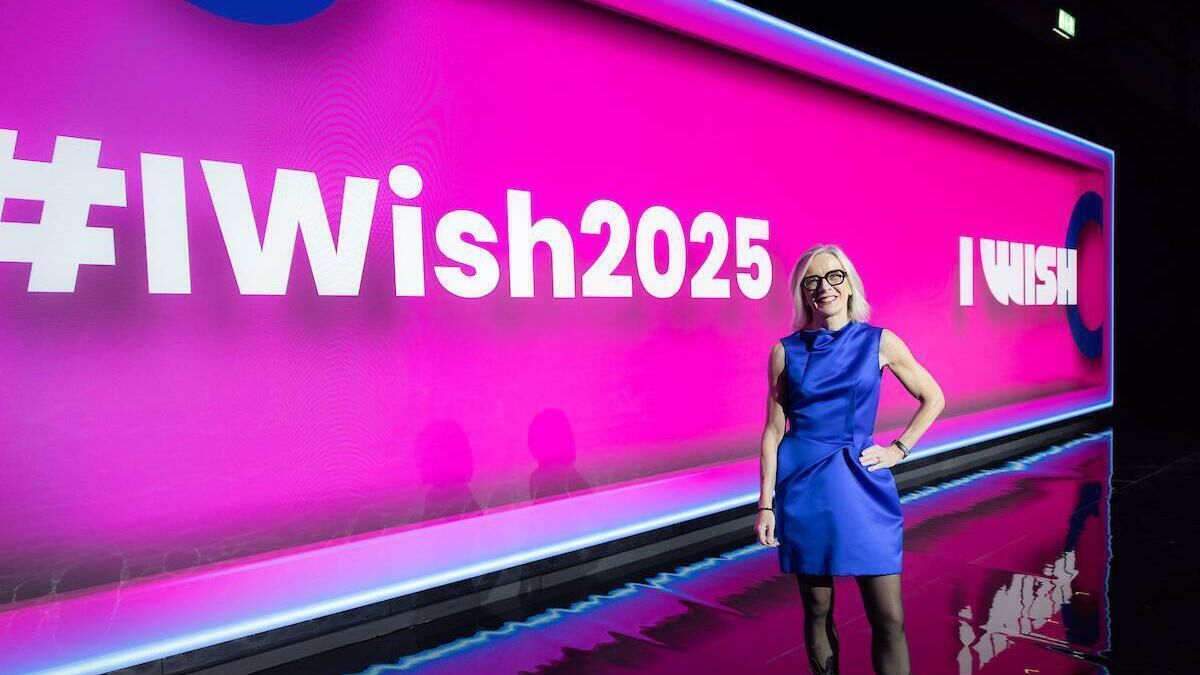
I Wish exists to bridge that gap by connecting girls with real people, real careers and real opportunities, says Gillian Keating.
Full and equal participation in all facets of society is a fundamental human right, yet from politics to research, from industry to academia, women continue to be underrepresented.
That’s according to Cork woman Gillian Keating, partner at one of Ireland’s leading law firms and co-founder of I Wish, a multi-award-winning programme dedicated to driving the power of STEM to female students in Ireland and across the globe.
The 12th annual I Wish takes place on February 5 at the RDS Dublin and almost 4,000 female teenage students will attend to experience an immersive, experience-led programme designed to build confidence, curiosity and awareness of real-world STEM careers.
Gillian recalls how it all came about.
“I read an article in about a group that was training women to code. It really interested me as I was bothered by a growing awareness that companies in Cork were struggling to fill roles across science and technology because half the population (the female half) were not engaging with STEM (science, technology, engineering, and math) in sufficient numbers.
“I immediately telephoned the one woman I knew, Caroline O’Driscoll, who might be willing to be a partner in crime in working out a solution to this lack of engagement. Caroline immediately said ‘Yes’, and the rest is history.
“Back then, we thought it was just about an information gap, and we hatched a plan with Ruth Buckley from Cork City Council to address it as a matter of urgency.”
However, it quickly became clear that lack of information wasn’t the main reason girls were not engaging with STEM.
“The issues to be addressed are complex and a product of societal biases, which require a multifaceted approach, addressing bias at home, in school, in career pathways and in government policy. It might surprise readers to learn the Department of Education’s 2024 Indicator Report disclosed that only 71% of girls’ schools offer at least one STEM subject other than Science or Maths, while 96% of boys’ schools do,” Gillian said.
The 2025 I Wish Survey of Female Students’ Attitudes to STEM found that access to practical STEM subjects remains dramatically lower for girls in single-sex schools, with just 5% reporting access to Construction Studies and 6% to Engineering, compared to 84% and 74% respectively in mixed schools, despite near-universal access to Biology and Chemistry.
As technologies such as artificial intelligence continue to reshape design, builds and innovation, this year’s showcase will place a strong emphasis on applied STEM skills and future-ready career pathways for females. This includes a new dedicated Construction Zone, delivered in partnership with the Construction Industry Federation (CIF).
Gillian said: “Construction has the lowest female representation of any sector in Ireland, at just over 10% overall, and only 1% on building sites. Ireland urgently needs these skills, and we must work harder to encourage young women to consider construction pathways. Early exposure is critical. If girls don’t see these careers as options in school, the talent pipeline simply won’t meet industry demand.”
Positively, change is happening.
“But it takes time, and the issues to be addressed will not be resolved with a short-term lens. When we started I Wish in 2014, only 28% of new entrants into STEM undergraduate courses were women; by 2023, that had increased to 35%. Only 15% of new entrants into engineering, manufacturing and construction were women and by 2023, that had increased to 25%.
“We are seeing real progress, but we are not where we need to be to build the sustainable talent pipeline our economy needs and to ensure that every young girl today has the opportunity to participate fully in the economy of the future,” emphasised Gillian.
Her advice to a female teen who thinks STEM isn’t for them is to focus on their passion.
Caroline added: “Year after year, students tell us they’re interested in STEM but don’t always see where it can lead. I Wish exists to bridge that gap by connecting girls with real people, real careers and real opportunities.”
I attended the I Wish showcase when I was in Transition Year in Ballincollig Community School. The showcase opened my mind to a wide variety of careers that I had never really considered before. It definitely influenced my choice of course, seeing that companies were aware of the gender imbalance and actively working to encourage more girls to look into careers in these areas.
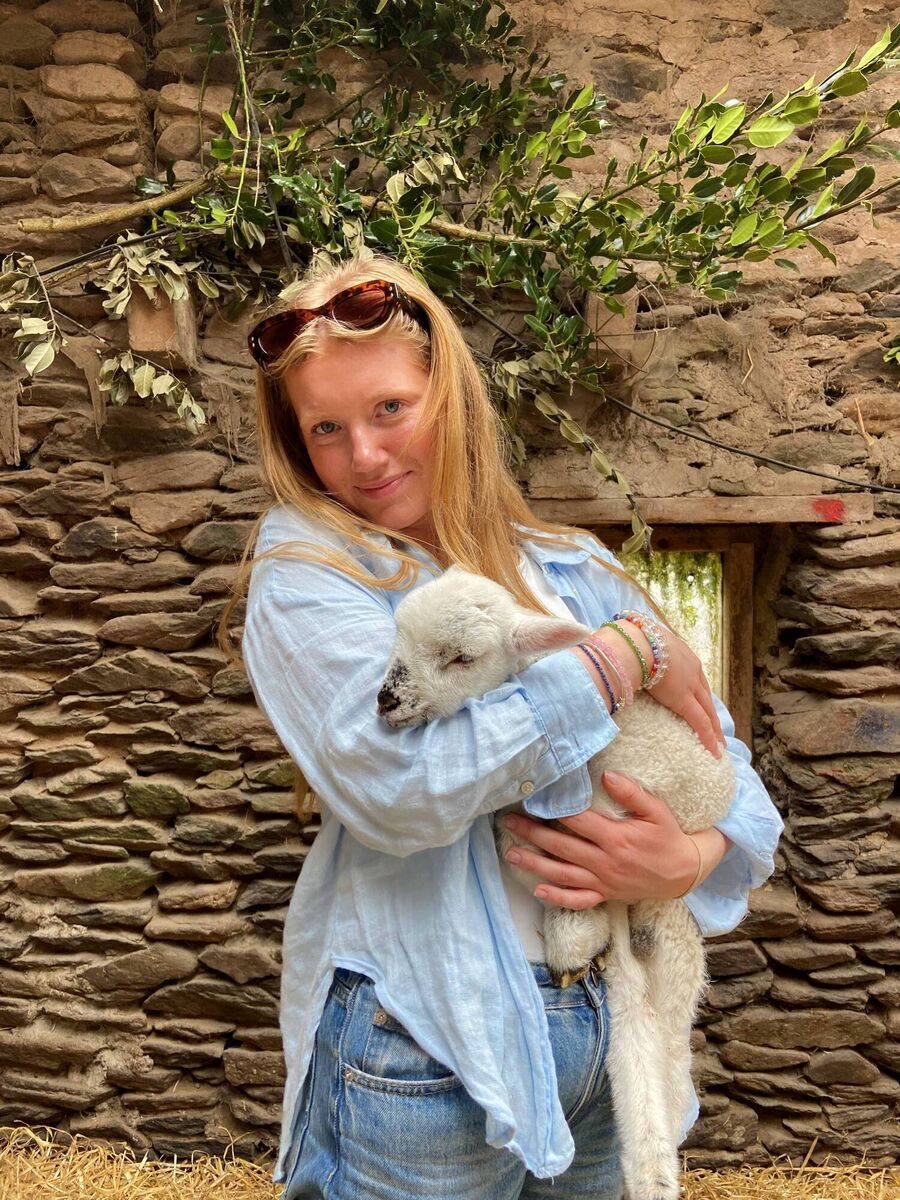
I think things are definitely improving as I hear of more girls pursuing careers in STEM, and I feel that, within my generation, the perceived stereotypes around gender and career choice are beginning to change, but there is still work to be done.
Personally, I’m lucky that my course is evenly distributed, but I’m aware that the tech industry still can be pretty male-dominated, although it is changing.
I would strongly encourage students to attend I Wish. It’s an amazing opportunity to see the wide range of companies and all the career paths available for women, and it’s a fun and inspiring day out!
I first heard about I Wish through their online I Wish exhibition in 2021, which was promoted by my secondary school. It was very eye-opening, and to this day, I’m so grateful that I was able to participate. One moment that really stood out to me was hearing from eight women who were studying STEM courses at UCC and MTU. Seeing women who were only a few years older than myself made these pathways feel far more relatable and achievable, and it was genuinely inspiring.
It absolutely influenced my choice of third-level study. It helped solidify my interest in science and gave me the confidence to pursue a STEM degree. Hearing real experiences from women already studying and working in the field made the idea of a career in scientific research feel realistic.
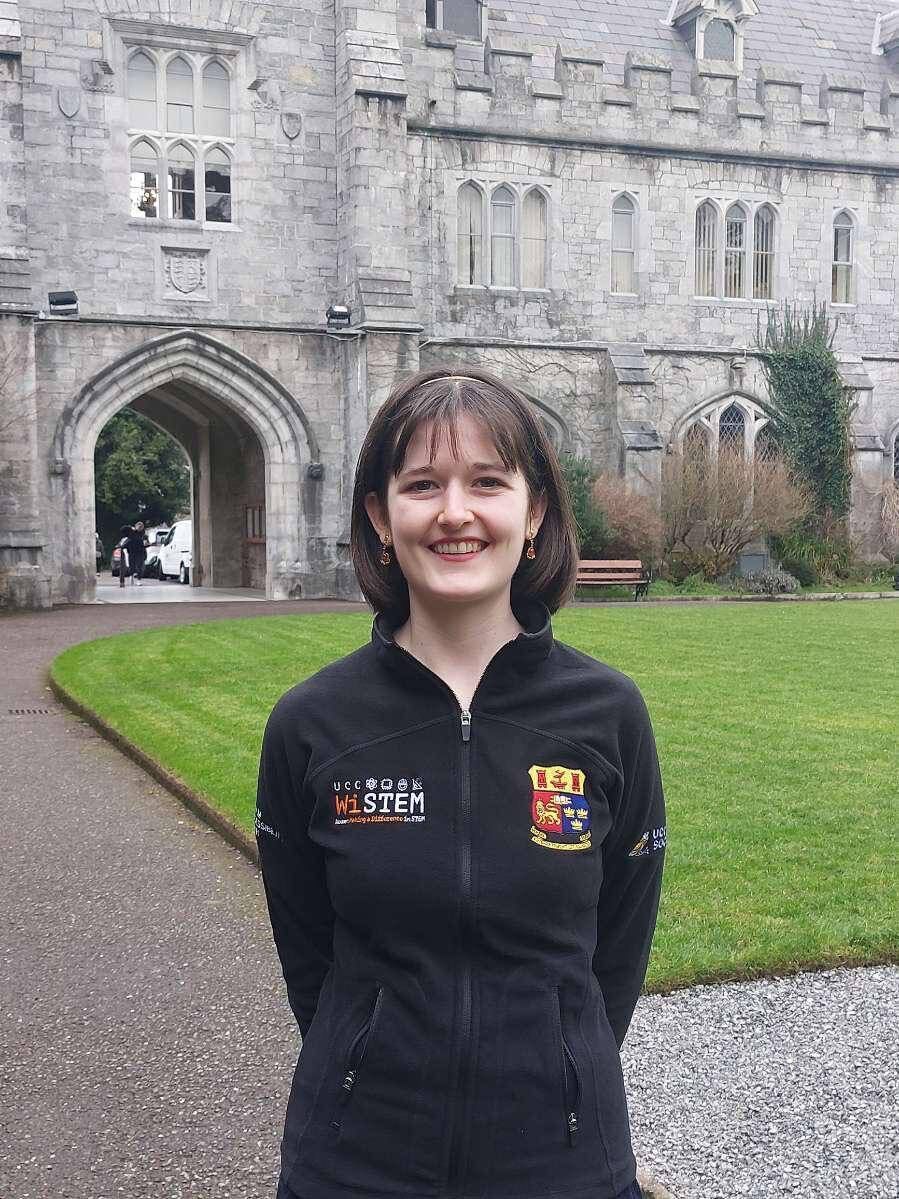
Initiatives like I Wish have played a major role in increasing visibility and confidence among young women and girls. That said, engineering and maths-based STEM industries are still very much male-dominated, and persistent stereotypes around what careers are considered ‘male’ or ‘female’ remain. Without a doubt, continued outreach and representation are essential to keep breaking down these barriers.
My course, biochemistry and life sciences generally have a better gender balance at undergraduate level, but men still remain over-represented in senior academic, research, and leadership roles. I’m fortunate to have had guidance and support from some incredible female lecturers in biochemistry at UCC, as well as opportunities to speak with women working in industries such as J&J, PepsiCo, and many more. However, not every young woman is so lucky, which is why mentorship, visibility and organisations like I Wish for women in STEM are so important, to inspire the next generation and make these careers more accessible.
Finally, I couldn’t recommend I Wish enough. Having attended as a student and later volunteered with the organisation, I’ve seen and experienced first-hand how powerful it can be in shaping young women’s ambitions and self-belief.
- I Wish takes place at the RDS Dublin on February 5. See iwish.ie for more details.





 App?
App?


