‘I wanted to do something for myself’: Cork woman celebrates recovery with Camino challenge
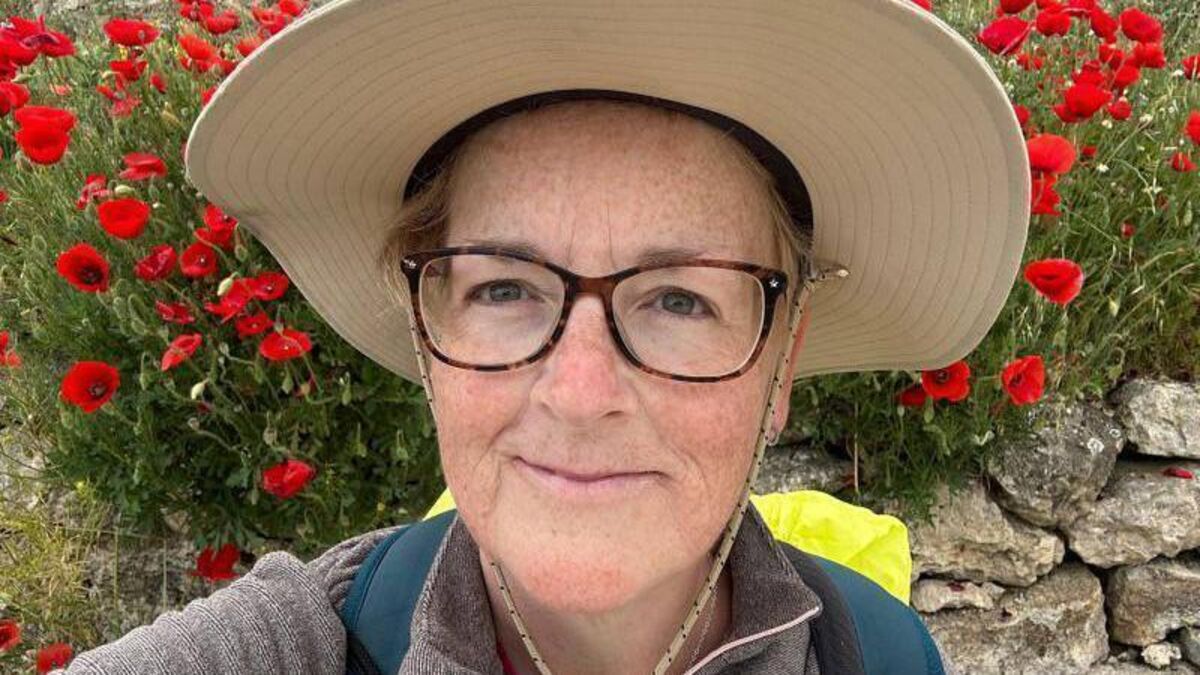
Cork woman Pamela Deasy celebrated being five years free from cancer by embarking on a 771km long Camino journey. She tells CHRIS DUNNE about the 38 day challenge and why it was so important to her.
‘I wanted to do something for myself’: Cork woman celebrates recovery with Camino challenge

Pamela Deasy said that hearing other people’s stories, who were on the same adventure, was “amazing”.
Committing to walking the Camino is an intimidating task for a lot of people. Not for Pamela Deasy though.

Cancer failed to intimidate or conquer her indomitable spirit.

She was going to climb every mountain that came her way.

After giving cancer the boot, taking off from her home in Union Hall, and walking the Camino for 38 days, only heightened Pamela’s zest for life and for living.

“Yes, committing to walking the Camino seemed a rather intimidated task,” admits Pamela, who has a son.

“I used a walking stick to help me over a year, and I needed support from my family and friends to be mobile.”

Then she was good to go.

“Going from needing help walking up the stairs to walking over the Pyrenees was a huge undertaking for me.”

Pamela knows when to walk away.

“There are times in your life when the most important thing is to switch off from everything and walk away. In May last year, I did just that and headed off to the Camino for 38 days straight.”

When Pamela got a diagnosis of pancreatic cancer on December 7, 2018, she thought, ‘game over’.”

There is only a 14% survival rate in Ireland from pancreatic cancer after five years.

“My mother died of lung cancer when I was 40,” says Pamela.

“I was nervous telling Ryan, my son, that I had pancreatic cancer. Telling him was very emotional.”

How did Pamela find out that she had the disease?

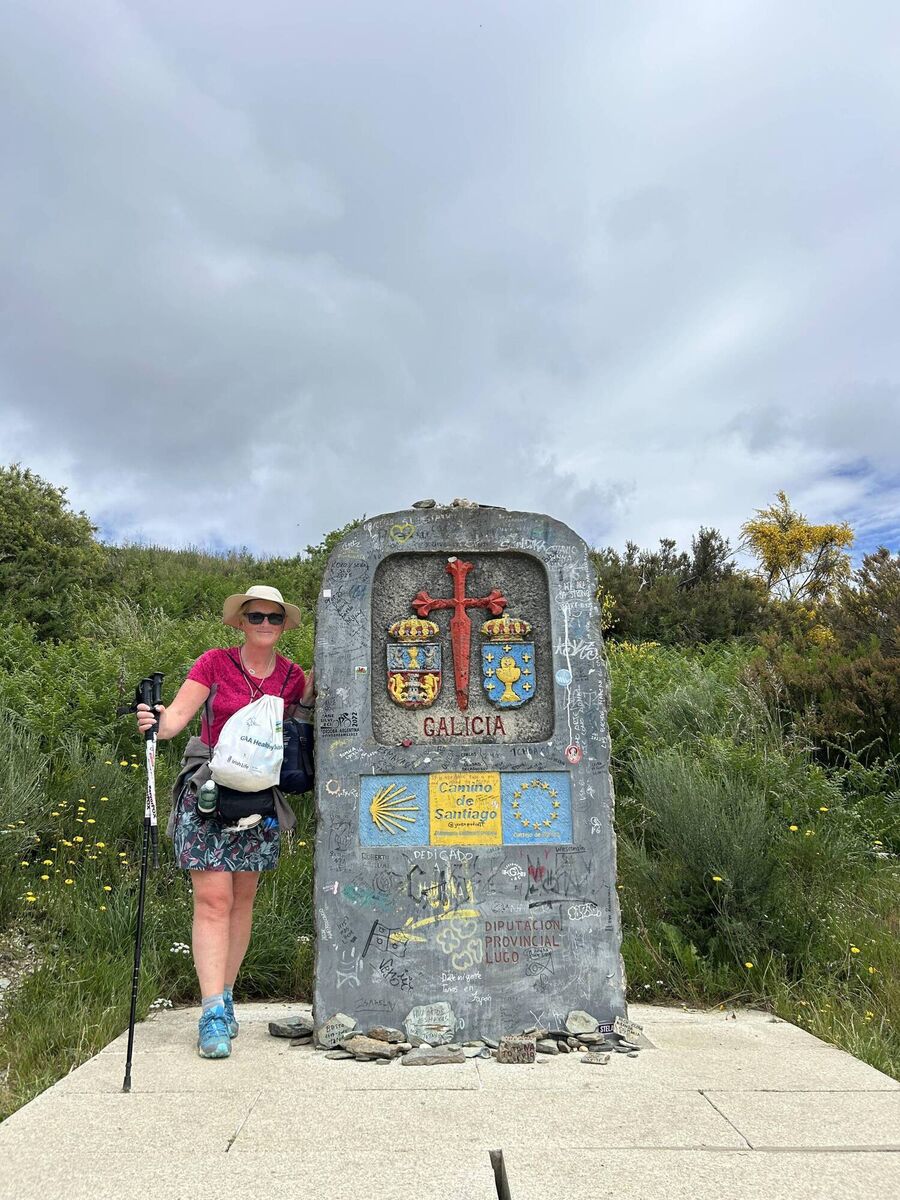
Pamela's arrival into the Galicia region

“During the summer of 2018 I remember feeling endless tiredness. It was a consistent symptom,” says Pamela.
“An odd day I’d have an upset tummy. The fatigue got to the stage that I couldn’t pull myself out of bed to tackle the house until the afternoon.

“I was in my 40s and pre-menopausal. I kept going back to my GP. My bloods were clear and all good and I was told not to worry.”

Pamela trusted her gut and says: “I listened to it.

“I knew something was not right with me. I was rarely sick.”

She was rarely out of sorts either..

“I was told that I had depression. I thought not. Then I thought maybe, yes.”

When Pamela was told that she had pancreatic cancer, she didn’t know what to think.

“It was only when I ended up in hospital with jaundice that I was told, ‘you have cancer’.

“I was in complete shock,” says Pamela.

“I thought, pancreatic cancer. Game over.”

Then she thought, no way.

“I was in my 40s. I was fit. I was going to throw everything I had at it.”

And she did.

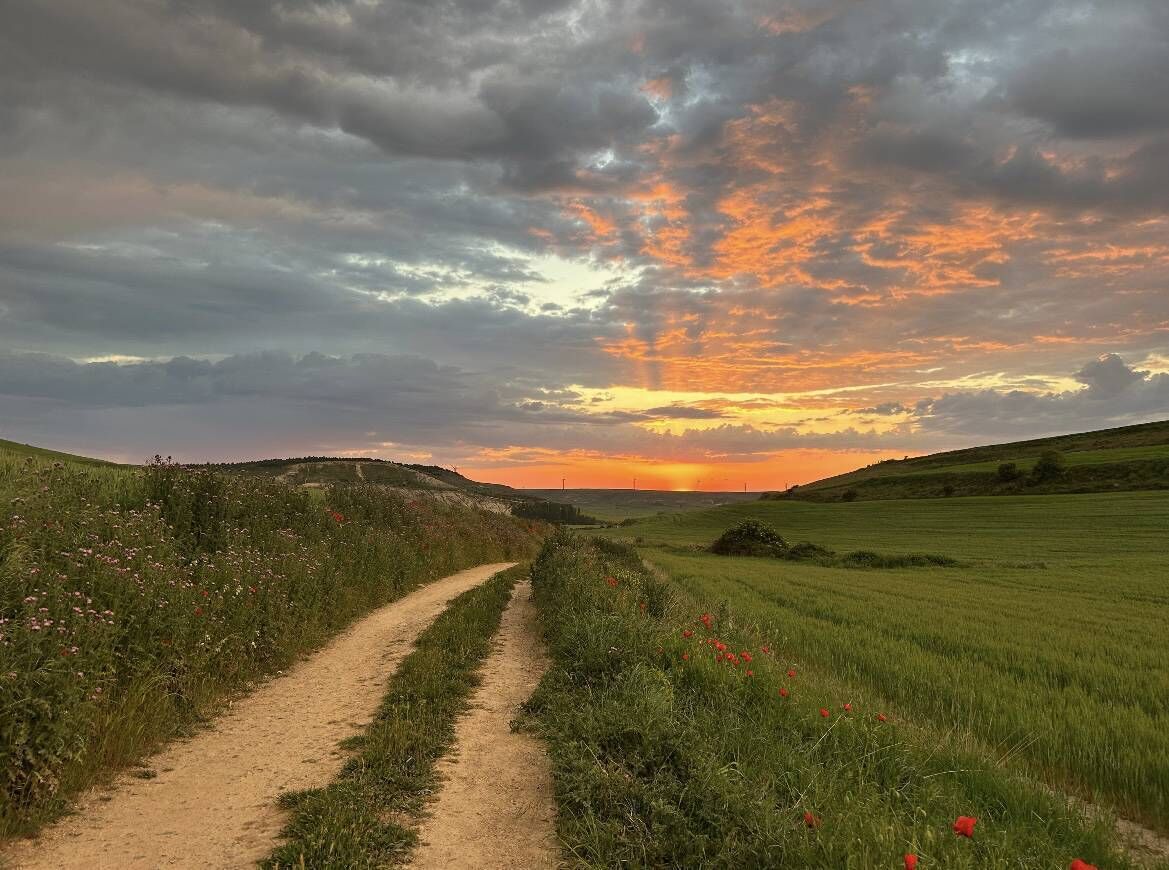
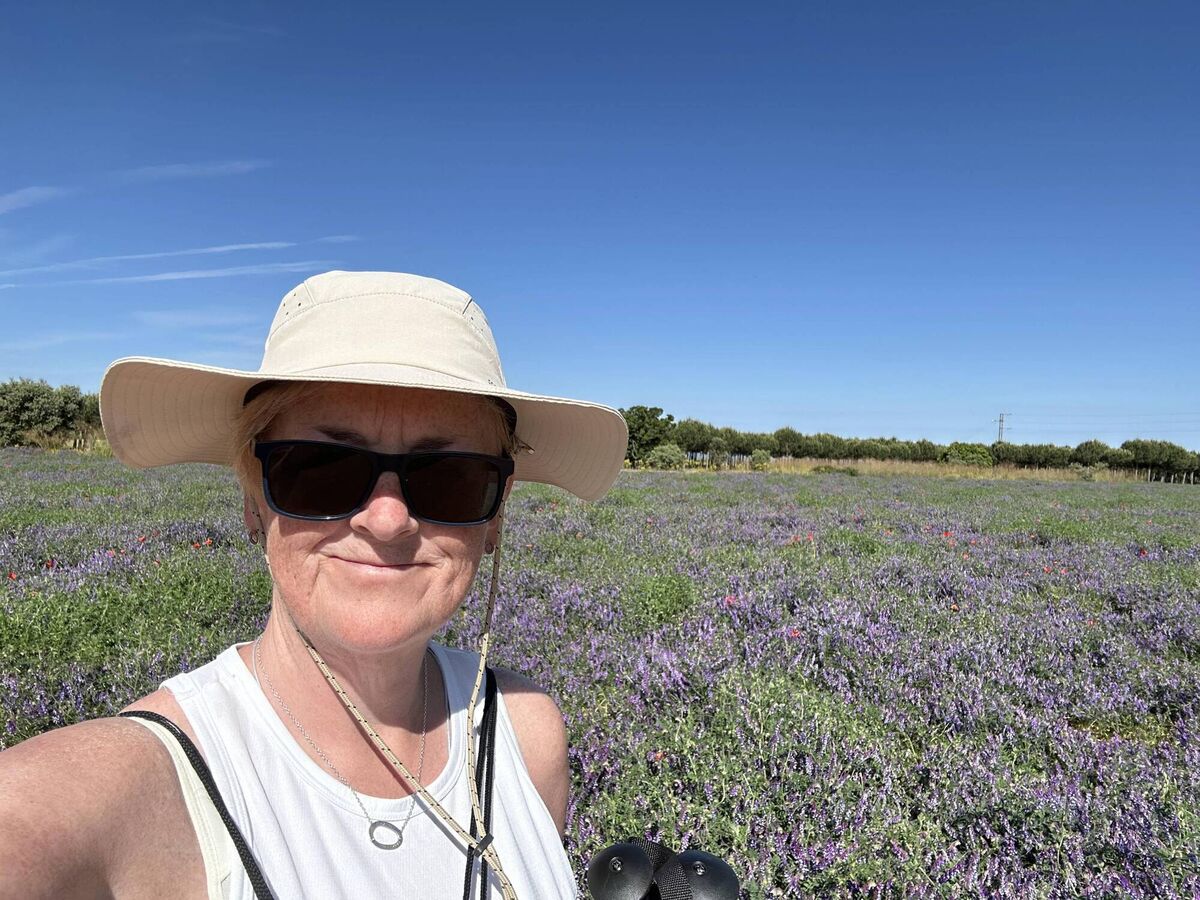
A view of the Meseta, during Pamela’s Camino trip.

“I began chemotherapy on January 16 and I had six sessions,” says Pamela.
“Each session lasted 72 hours at a time. That was every two weeks. At the end of the chemotherapy treatment, some of which I had at home via a pump attached to my body, I had scans which showed the tumour hadn’t shrunk.”

Pamela always looks at the glass as half-full.

“But it hadn’t grown either,” she adds.

She continued her journey, going through six weeks of radiotherapy, and following that she had six weeks of taking gemcitabine (a chemotherapy drug) in hospital.

“I went through the mill,” admits Pamela.

“I suffered muscle wastage and blockage of my stent. My son and my dad were at home. My sister lives nearby. They were a great support to me.”

Pamala’s determination and resilience stood up to the scourge of cancer.

“In August of 2019, I underwent Whipple surgery which involved removing the head of my pancreas, gallbladder, spleen, bile duct, a piece of my stomach and a piece of my small intestine and associated lymph nodes.”

The surgery was serious, and it was a long operation.

“It took 11 and a half hours,” says Pamela.

It took far longer for Pamela to recover.

“It took weeks for me to recover from that surgery. But I was cancer-free.”

She had turned a corner during her difficult journey.

“It took me almost three years to get back to normal,” says Pamela.

“For a while, it was like I took one step forward and two steps back.

She took steps towards the promise of a renewed life.

“I began walking around the house with a stick,” she says.

“Coming up to Christmas, after the surgery, I wasn’t feeling great again. I worried that the cancer was back again. But it was only fluid that had built up in my abdomen that had to get drained. I stayed positive. There were weeks that I didn’t leave the bed.”

Pamela, who had lost more than seven stone during her ordeal, decided to make up for lost time.

“I realised, after all this surgery and treatment, that I wanted to do something totally different and just for myself,” says Pamela, “So I decided to walk the Camino.”

Why?

“For me, it was giving thanks to being here five years after my cancer diagnosis,” says Pamela.

“I also wanted to remember the 86% of people diagnosed who were no longer with me on this journey. I decided that if I didn’t go and do it, I probably would never go into anything like that again in my life.”

Pamela never says never.

“I had to undergo surgery again earlier this year to remove kidney stones,” she says.

“Walking the Camino was going to be a challenge.”

Pamela Deasy on the Camino, outside Astorga.

Pamela is never intimidated by anything. Not even the unknown.

“There were lots of obstacles but after a lot of preparation and thought, I headed off by myself into the unknown.” And?

“And it was wonderful!” says Pamela laughing.

“You meet such interesting people on the Camino. I think doing it alone, you are more inclined to talk to people, whereas if I had gone with a friend we would have probably spent the whole time together. Hearing other people’s stories who were on the same adventure, was amazing.”

There were some challenges. But then Pamela is familiar with overcoming challenges.

“When you’ve gone through chemotherapy and radiotherapy, your energy levels are different to someone your own age,” says Pamela.

“My energy isn’t great at 7pm in the evening. I’m usually in bed by 8pm. I think suffering from digestive problems was the hardest and the biggest stumbling block for me.”

Pamela gets up and dusts herself off after stumbling.

“One morning, I set off early and I saw the sunrise coming up over the horizon. It was so special.”

Nature is special to Pamela.

“Nature has been so important in my cancer journey, and it definitely impacted my recovery,” she says.

“Just looking around me at the stunning scenery walking the Camino, the flowers and the sunrise, it made me realise how lucky I am to be alive and so lucky to get to appreciate this.”

Pamela’s Camino journey was glorious.

“I returned having walked 771km feeling exhausted but fulfilled,” she says.

She is not dragging her feet now that she is renewed and reinvigorated.

“I am doing a master’s in sociology at the moment as I am interested in the inequality in cancer treatments in Ireland. I want to raise awareness about this cancer and help people living with it and their families to get the best support possible. When a patient gets a diagnosis of pancreatic cancer, it impacts not only the patient, but the family,” says Pamela.

“It is so much to deal with in such a sudden period of time. There needs to be more networks in place for patients and their families.”

After her own diagnosis, Pamela was told she would never work again. Remember she never says never.

Now she’s working for others.

“I applied to do a degree in Religious and Global Diversity in UCC and after the first year of it I decided that lending my voice to any cancer campaigns was beneficial for patients. So I decided to follow the patient advocacy route and sit on the Patient Advocacy Committee at Digestive Cancers Europe.”

2026 is a new dawning for Pamela, when she can wake up and smell the roses.

“I give thanks to be alive and to be free of cancer,” she says.

Read More

Dr Catherine Conlon: Is it time to bring more silence into our often frenzied lives?
What’s a vision board and how can you make one? Cork sisters share their top tips
Holly Cairns: ‘Before going back, I thought ‘no way is this going to work’’

More in this section

Brooches, broad shoulders and Eighties belts: The biggest fashion trends for 2026 Brooches, icy blues and broad shoulders: what trends can we expect to see in 2026
hand and different gadgets in desk drawer at home Dr Catherine Conlon: Is it time to bring more silence into our often frenzied lives?
Wellbeing workshops in Cork: ‘Embracing creativity can really help people to relax’ Wellbeing workshops in Cork: ‘Embracing creativity can really help people to relax’

Sponsored Content

Turning risk into reward: Top business risks in 2026 Turning risk into reward: Top business risks in 2026
Top tips to protect Ireland's plant health Top tips to protect Ireland's plant health
River Boyne in County Meath, Ireland. Water matters: protecting Ireland’s most precious resource
Contact Us Cookie Policy Privacy Policy Terms and Conditions

© Examiner Echo Group Limited

Add Echolive.ie to your home screen - easy access to Cork news, views, sport and more