‘A 64-year-old female comic artist is unusual’
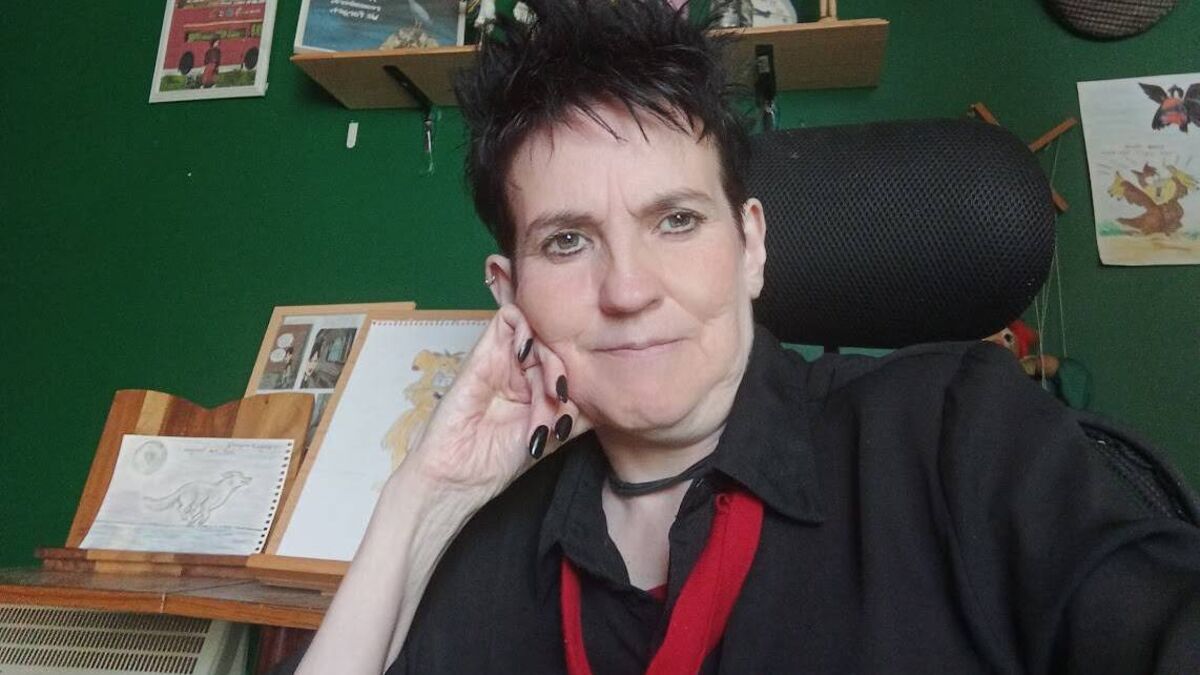
Rae McKinlay
I AM familiar with a certain type of gaze: eyes wide open, raised eyebrows, a drop down jaw. It’s an expression that has found its way into my subconscious. Then, I am met with the statement - ‘aren’t comics for children?!’
I have come to accept that, for many individuals, a 64-year old female comic artist is a bit unusual.
Since childhood I have always loved comics. I was a dreamy child, forever adrift in reimagined worlds of dark forests and whimisical creatures. There was so much joy to be found in the antics of characters such as Biffo the Bear and Oor Wullie.
Comics were an inexpensive entry point into other worlds, a place of learning, and of escape.
Back then, the second wave of feminism which focused on the discrimination of women in the workplace was in its infancy. There were so many barriers to climb, so many loud words of discouragement, that I covered my ears to turn the volume down,and ended up in office work, foregoing my desire of a career in comics.
Marriage also placed a lid on any comic career as I side-lined the art to raise my children. However, I continued to read them.
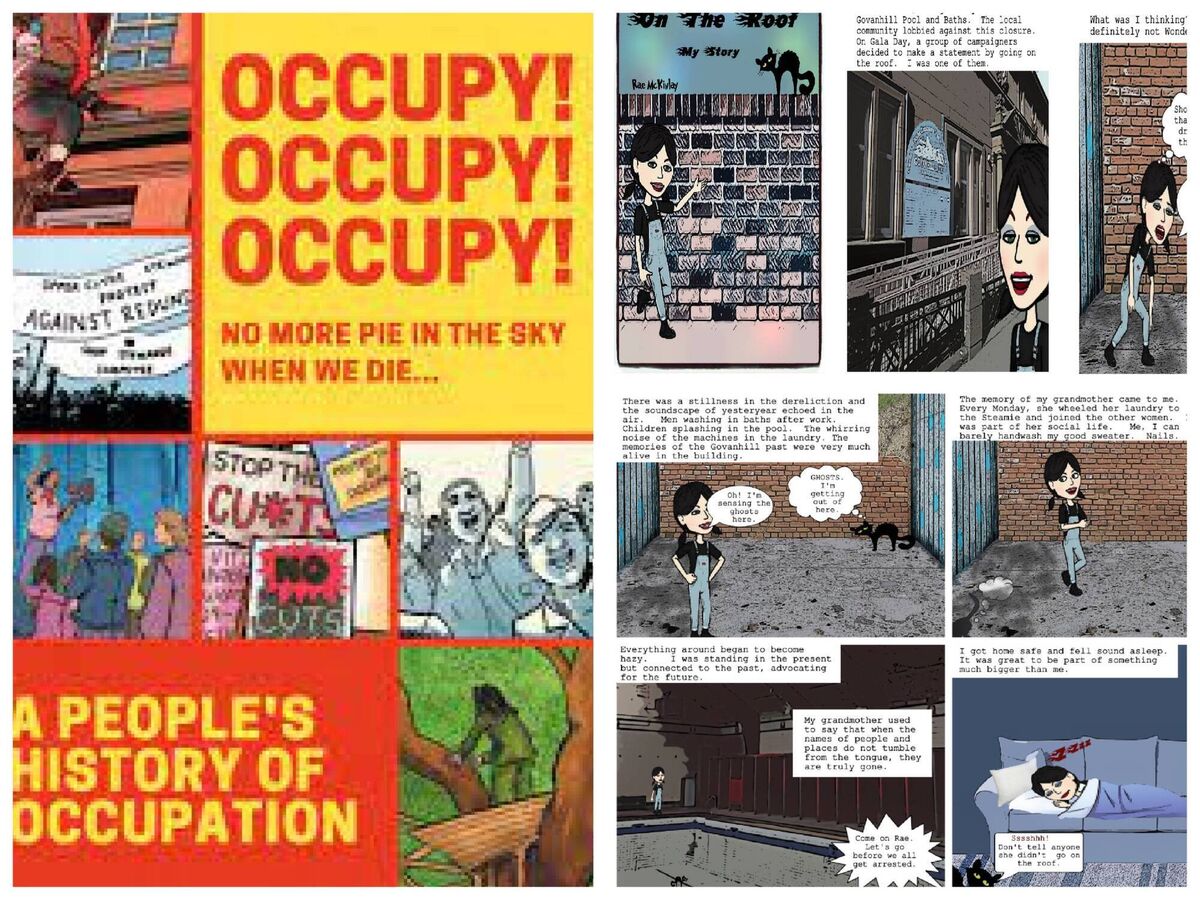
Life passed by without comic creation until Covid-19. The bleakness of lockdown propelled me back into comics, and as I was now embracing singlehood, I could spend time pursuing it.
So, when the curtain was pulled back to release us from captivity, I ventured out with a new-found confidence. I was ready to bring out my own comic. I had a comic collaboration behind me and I had just accepted a commission to create a story for another collaborative comic in Glasgow.
However, I soon found myself navigating a space where few older people inhabit, a space void of comic allies of my generation.
I was astonished to discover that the common consensus held was that comics are something one grows out of. Simply put, older women don’t read comics and certainly don’t make them.
Yet, there are many examples of older women in the industry. Comic artist and herstorian Trina Robbins is credited with drawing the first Wonder Woman and has won an Eisner Award for her archival project ‘The Complete Wimmen’s Comix’ in 2017. She started off in the 1960s and to this day is still creating comics.
In France, the comic book industry is called ‘the ninth art’. Comics are recognised as very much an art form equal to painting and literature.
In Japan, everyone from a child to an elderly person can be seen reading Manga, their word for comics, in public spaces.
In the USA, Ireland and UK, it would seem that the combination of words and pictures to tell a story is belittled, by making them inferior to art and literature when they stand alone. Comics sit in the category of low literature, just for kids.
Yet, running opposite to this viewpoint, there is a noted rich legacy, and each year at the San Diego Comic Convention, the prestigious but relatively unknown Eisner Award is presented for creative achievement in comics.
The rise of DC and Marvel characters to film and the recent global phenomenon of Comic Cons are cold comfort to me. Comic Cons are really a celebration of popular culture and a large proportion of the audience are far more attracted to the Hollywood actors, video games and associated merchandise like badges and figures, rather than comics themselves.
I can’t help but wonder whether the success of blockbuster films and conventions has consolidated the belief that comics are exclusively for young people.
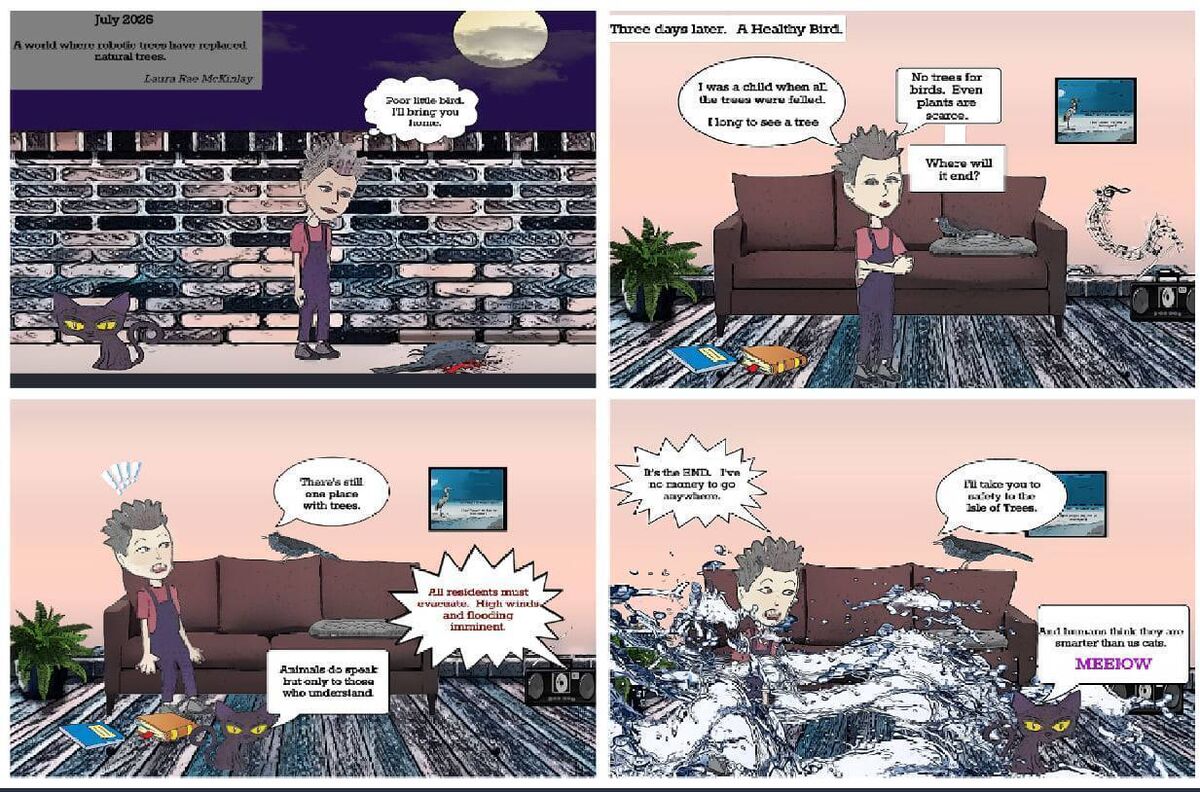
Comics are a medium rather than a genre, a means to tell a story. There are a vast abundance of beautifully illustrated and thought-provoking comics without caped crusaders created for adults. The power of good storytelling is the ability to open a door, to draw people into other situations, and a good story can be told visually.
A few months ago, I was weary dealing with a challenging situation, so I picked up a comic for respite. It was Jumping Mouse by the talented comic artist Ali Hodgson, a beautifully illustrated autobiography. In it, she depicts the journey of how letting go of our deepest fears can ultimately set us free.
I was drawn into the layered textures in her story, and as my eyes moved from panel to panel, one image caused me to freeze. It captured my heart and spoke into my reality. Thus, my identification with her narrative provided me with a safe place where I could simulate my feelings and experiences, and bypass a thousand words.
In my school days of chalk and talk, great emphasis was placed on the Classics. Back then, alphabetic literacy was pitted against visual literacy, resulting in the written word being elevated to a more prestigious position.
The one who read comics was maligned and labelled a nerd, so it comes as no real surprise that people opted for books.
Times have changed and it is heartening to report that comics are now in the school curriculum.
The value of comics has been recognised.
I am greatly honoured to have been chosen as a BLAST artist in schools, and in each residency I work with teachers by sowing the seeds of sequential storytelling to children.
I am confident that in the near future comics will be normalised for children, elderly people and everyone in between.




 App?
App?


