How couples can manage their finances without falling out

Don’t let romance cloud your financial judgment, Money Box presenter and author Paul Lewis advises. By Hannah Stephenson.
How couples can manage their finances without falling out

Discussing money might put a dampener on romance, but it needs to be considered.

THE flowers have arrived, the expensive restaurant is booked and everything’s looking rosy on the romance front – until the state of your finances rears its ugly head.

Discussing money may seem the perfect way to put a dampener on that rose-tinted future, but couples should carefully consider how they deal with their finances, advises financial journalist Paul Lewis, long-time presenter of BBC Radio 4’s Money Box.

“Costs are going up and wages aren’t keeping pace with them, so people are genuinely finding themselves in bigger debt,” says the broadcaster and author of the radio show’s eponymous new tie-in book, which delves into all of this and more.

“Mortgages will be going up for millions of people this year as their fixed rate comes to an end, and that will put a further strain on people who’ve bought a house or a flat and are finding it hard at the moment.”

So, what advice would Lewis share for those looking for love or taking the next step in their relationship?

Online dating

“There’s a lot of fraud on dating apps,” says Lewis. “I’m not against dating apps – people I’m close to have found their perfect partner on them – but you have to be careful because there is a lot of fraud, and if you start an online relationship with someone who then asks you for money, just say no, it’s a con.”

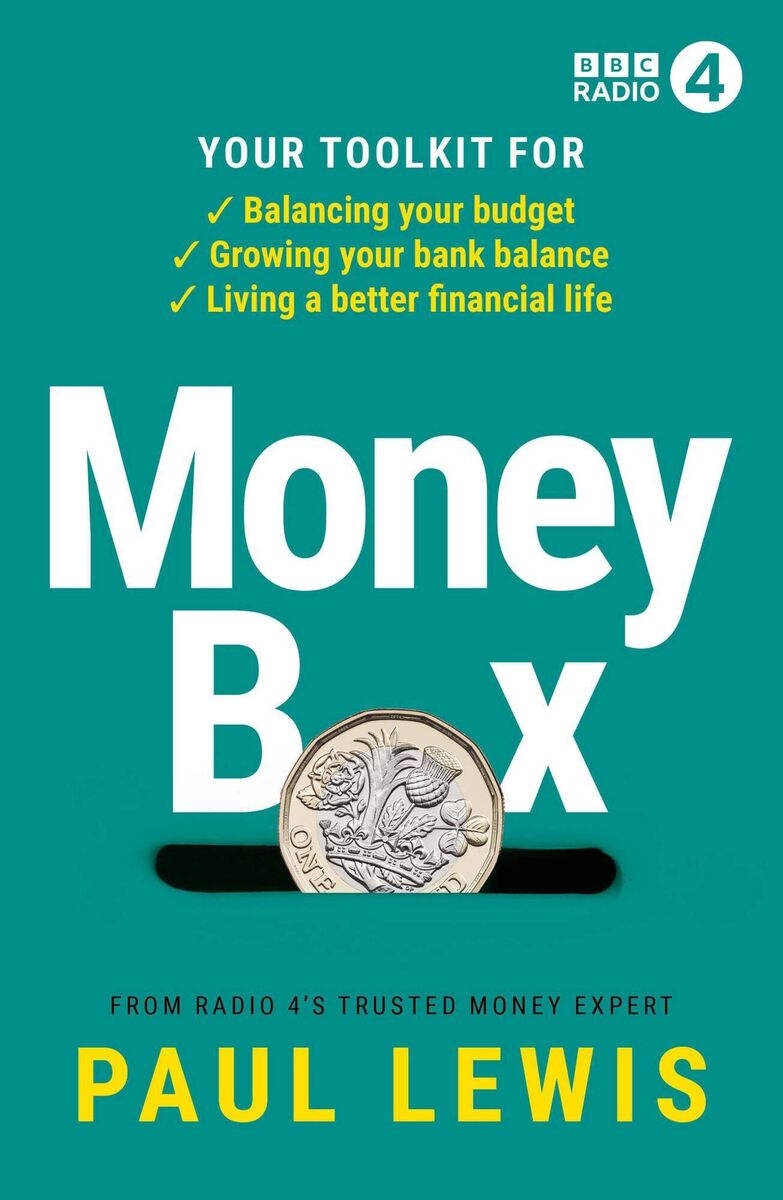
Book jacket of Money Box by Paul Lewis. 

Moving in together

What about taking that step to live together?

“If you think you’ve met the love of your life and you want to move in together, money’s possibly the last thing on your mind, but you do have to be careful,” says Lewis.

The rights of cohabiting couples in Ireland are set out in the Civil Partnership and Certain Rights and Obligations of Cohabitants Act 2010.

The law provides cohabitants with some security - but not the same rights enjoyed by married couples

For information on your cohabiting rights in Ireland, check out citizensinformation.ie

Lewis explains in the book: “So when your unofficial arrangement comes to an end for whatever reason, you cannot claim support, half the TV, the second car (assuming you have a first) or a share of your partner’s money, pension or house in the Algarve. Unless you bought them, of course, in which case they are yours, yours, yours.”

If your relationship breaks down and you are living in your partners house, and you have to move out - you are not automatically entitled to anything. Your only option, if you can’t agree something, is to start legal proceedings.

“I’m not saying that everybody should get married, but marriage protects you from all that,” Lewis adds. “It gives you rights when a relationship ends and, indeed, if the other person dies.”

Beware of economic abuse

“This has been going on for generations but has only come to light fairly recently. It’s usually done by the economically stronger person to the economically weaker person – and normally it’s done by men to women,” Lewis explains.

“One partner tries to stop the other partner from having or getting any financial independence – it’s financial bullying, if you like. You very often see it when they try to discourage you from going to work or getting a job or a better job.

“They may use children, saying, ‘Why don’t you look after the children, as it’s much easier?’ – which means you become financially a much weaker person in the relationship, which makes it much harder to leave if it goes wrong.”

If you think you or one of your friends is in an abusive relationship financially, reach out for support.

Joint expenses

“I think it’s important if you are having a relationship with someone that there are joint expenses, like the energy bills, food bills, going out bills and holidays.

“My advice is have your own money paid into your own account – so if you work, (get) benefits or whatever, that goes into your account separately. Then have a joint account for your joint expenses, work out what you have to pay into it every month and make that a regular transfer into that account,” says Lewis.

“If there’s anything left in your own account, then that’s your money. So, if your partner wants to spend a lot of money on a football match and you don’t like football, then that’s up to them because it’s their money. Similarly, you can do what you want.”

However, be aware that either one of you can remove all the cash from the joint account without the other’s consent, he warns.

If you enter a debt with someone, and the relationship breaks down - you both own that debt.

What if you enter joint debt?

“If you enter a debt with someone – maybe you take out a joint mortgage or joint loan – always remember that you both owe all that money. That means that if your relationship ends and the other person just disappears, you will owe all of it, not half of it,” Lewis cautions.

“And if you’ve got a job and the other person hasn’t, then even if the lender knows where the other person is, they won’t bother with them because you’ve got the job, so they will come to you for the money. Joint debt can be a difficult problem when a relationship ends and I would always say to people, try to avoid it.”

Claim your tax allowances

Lewis explains: “Many people don’t claim the tax allowances that they can.”

Educate yourself and see what you might be entitled to.

Money Box by Paul Lewis is published by BBC Books, available now.

More in this section

'People might say I’m banging on about sex all the time, but I’m talking about your overall health and wellness' 'People might say I’m banging on about sex all the time, but I’m talking about your overall health and wellness'
‘When we moved to Cork, I was struck by the pace women keep,' says naturopath ‘When we moved to Cork, I was struck by the pace women keep,' says naturopath
Meet the doula helping support families in Cork when they bring home baby Meet the doula helping support families in Cork when they bring home baby

Sponsored Content

"My master's at UL taught me that structured learning and a demanding career can coexist" "My master's at UL taught me that structured learning and a demanding career can coexist"
Three days of steam, music and heritage at the 62nd National Steam Rally Three days of steam, music and heritage at the 62nd National Steam Rally
How 50 years of innovation and investment have fuelled Bord Gáis Energy – and empowered Cork How 50 years of innovation and investment have fuelled Bord Gáis Energy – and empowered Cork
Contact Us Cookie Policy Privacy Policy Terms and Conditions

© Examiner Echo Group Limited

Add Echolive.ie to your home screen - easy access to Cork news, views, sport and more