Dr Michelle O'Driscoll: Recognising a stroke early is vital
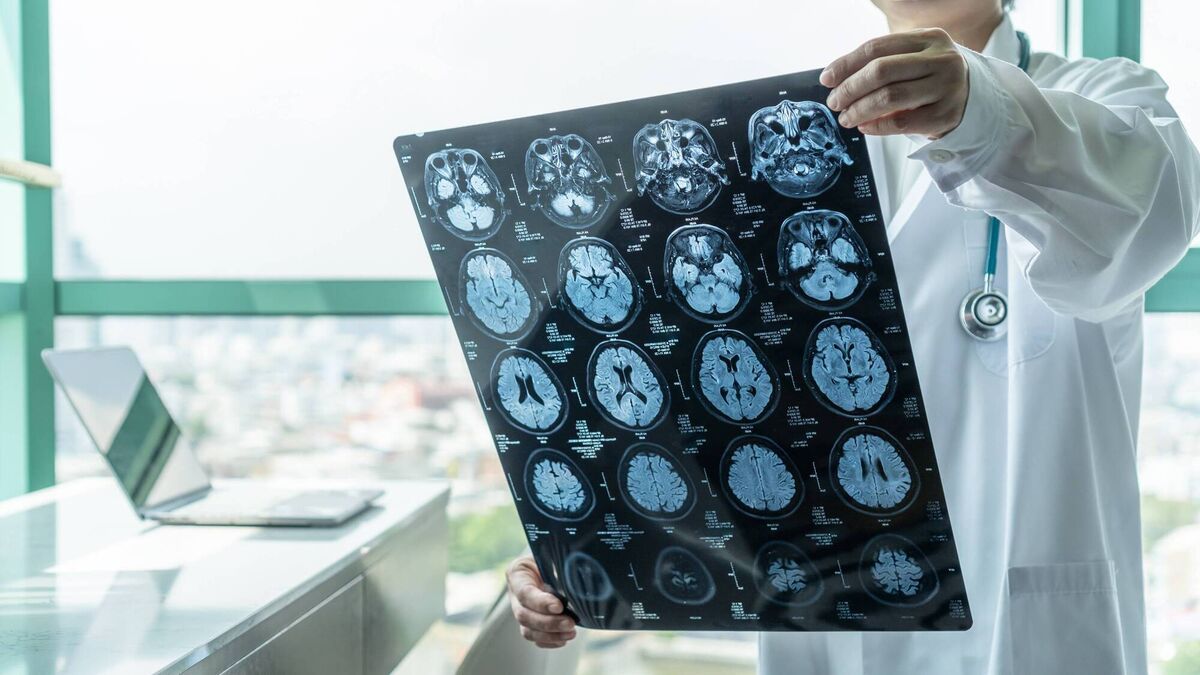
"Brain scans (CT or MRI) help to determine the type of stroke, the area of the brain affected and how severe the damage is. They should be conducted within 24 hours," says Michelle O'Driscoll.
STROKE is the third largest cause of death in Ireland, after heart disease and cancer. There are approximately 10,000 strokes annually, with 2,000 deaths.
Stroke occurs when the brain is not getting the blood supply it needs. Adequate supply ensures that the cells of the brain are receiving the oxygen and nutrients needed, without which they begin to die off. This can lead to brain damage or death.
Time is of the essence in the recognition and treatment of stroke, because the longer the brain is left with an inadequate blood supply, the more serious the consequences.
Blood supply is most commonly interrupted by a blockage of the blood vessel, caused by a clot. The other way stroke can occur is when a blood vessel bursts.
Temporary interruption of blood flow is called a mini stroke or a transient ischaemic attack, and sometimes these can go undetected. If they are noticed, they should be treated as a warning sign for an imminent stroke.
There are certain factors that increase your stroke risk. Some of these are controllable, and others are not.
Age is one of those uncontrollable factors; people over 65 years of age are more at risk of suffering a stroke.
Excess weight puts you at increased risk of high blood pressure and cholesterol levels, which are in themselves risk factors for stroke. Your BMI and waist circumference readings should be regularly checked, and blood pressure and cholesterol levels should be kept under control using medications where required.
Other lifestyle measures that can be of benefit include exercise (makes the body more efficient at pumping blood around the body and reducing the risk of stroke), and a diet of low fat and high fibre, with lots of fruit, vegetables and whole grains.
Also, foods high in unsaturated fats such as avocados, oily fish, nuts and seeds are beneficial.
Alcohol intake should be minimal as it raises blood pressure and causes an irregular heartbeat which can cause the clotting to occur.
Recognising a stroke early is vital for quick and effective treatment, and the best possible outcome.
The following symptoms tend to present in 90% of cases, and can be summarised by the acronym FAST:
F – Face: dropping on one side, eyelid drooping, unable to smile.
A – Arm: either weakness or numbness, unable to keep the arm in the air.
S – Speech: slurred, or completely unable to speak.
T - Time: Time is of the essence, dial 999 or 112 immediately if any of these symptoms are present.
Brain scans (CT or MRI) help to determine the type of stroke, the area of the brain affected and how severe the damage is. They should be conducted within 24 hours.
Stroke has varied effects on a person’s health, depending on the severity of it. Physically, a stroke can cause weakness or paralysis on one side of the body, drooping of the face, or difficulty co-ordinating, balancing or swallowing.
Physiotherapy and/or speech and language therapy is required to work towards regaining some degree of these.
Mentally, having a stroke can be a terrifying experience, and leave the sufferer with depression or anxiety which can settle over time, but needs to be managed with the right supports.
Cognitive ability can also diminish, with things like communication, concentration, and understanding of how to carry out daily functions being adversely affected.
Support groups for sufferers of stroke are available through the Irish Heart Foundation’s website.
Dr Michelle O’Driscoll is a pharmacist, researcher and founder of InTuition, a health and wellness education company. Her research lies in the area of mental health education, and through her company InTuition she delivers health promotion workshops to corporate and academic organisations nationally. See www.intuition.ie and @intuitionhealthandwellness




 App?
App?


