Dr Michelle O'Driscoll: Why are we feeling so S.A.D?
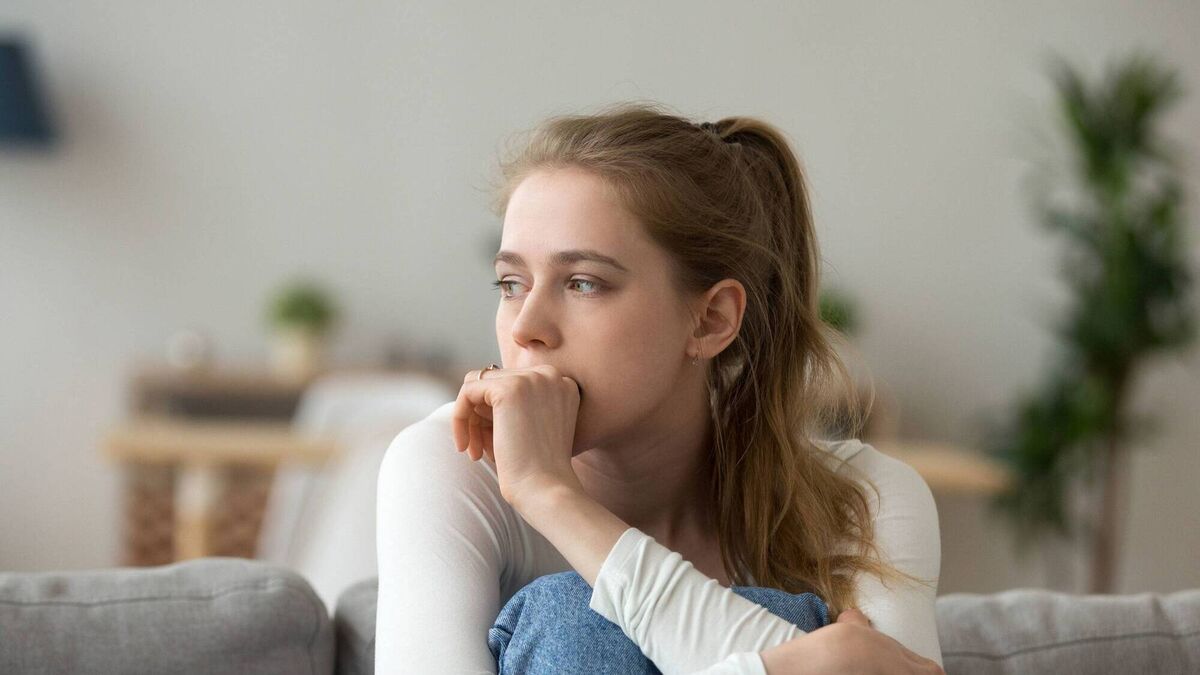
Seasonal changes cause lower serotonin and dysregulated melatonin levels in the brain, which are chemicals involved in mood management.
SO many of us were extremely grateful that, as challenging as it was, at least the Covid lockdown occurred in April/May when the weather was good, and the days were lengthening.
This small detail was actually vital for our mental health during those tough times.
The fear of a second wave hitting during the winter months is fuelled by the increased impact it would have on us mentally; having our movements restricted on top of the usual lack of light and bad weather would certainly be difficult to bear.
With the “stretch in the evenings” very obviously diminishing already, we’re now facing into those winter months, where some of us literally don’t see the light of day — leaving the house when the sky is an inky black, and turning on our headlights in order to safely make the journey home.
The noticeable dip in mood that so many people describe around this time of year is not a figment of our imaginations. It can be experienced to varying degrees, but at its most severe, it is a symptom of a condition known as Seasonal Affective Disorder, or S.A.D. You literally do feel just that — SAD!
Seasonal changes cause lower serotonin and dysregulated melatonin levels in the brain, which are chemicals involved in mood management. Couple that with the lowered levels of vitamin D in our blood streams, and no wonder we are struggling to feel upbeat and energised.
S.A.D. tends to occur in seasonal cycles, most often appearing when the amount of daylight hours gets shorter. However, for some individuals it can actually be experienced in the summer months. It is reported to be four times more common in women than in men.
Severity of presentation can vary, but symptoms of S.A.D. usually look very much like classical depression, with the added characteristic of a seasonal pattern. Watch for things like excess fatigue, irritability, difficulty concentrating, body aches, lack of sex drive, sleep or appetite changes.
Making time to get outside and absorb the limited available natural rays during daylight hours is one of the first proactive steps you can take in addressing the symptoms of S.A.D. This can, without a doubt, be more challenging in wintertime, due to the limited number of hours when the sun is up (the shortest day of the year has just 7.5 hours of daylight).
Remember, though, that It doesn’t need to be blue skies or amazing weather — just daylight will do. At the same time, you may fit in some exercise and fresh air, boosting those natural feel-good endorphins. Win-win!
Phototherapy, or the use of a specific light source known as a light-box, has been reported to improve symptoms of S.A.D. Using it for 30 minutes per day can fill the void being experienced in terms of light supply, and re-calibrate those important hormones. Its light is 25 times brighter than normal indoor lights, and it seems that quantity is key here. They are available to purchase from pharmacies, and for some, are worth the investment.
Like most other conditions, taking a closer look at our diets and the supplementation that our bodies are receiving is important for S.A.D.
It is best combatted by a diet that is low in refined sugar and carbs, which we ironically ingest so much of around Christmas time, during the peak of S.A.D. symptoms.
Instead, ensure a plentiful supply of lean meat, fresh fruit and vegetables, and complex carbohydrates (e.g. sweet potato). A vitamin D supplement is also advisable.
Some prescription antidepressant medications have been proven to be effective for S.A.D., and may be an important component of treatment for some sufferers. A drug group called Selective Serotonin Reuptake Inhibitors (SSRIs) for example, address the lack of serotonin experienced.
Medication can be used in conjunction with other lifestyle modifications, as well as being supplemented with talk therapies e.g. CBT to address recurring thought patterns that contribute to the recurring nature of this condition.
Remember that no two cases of SAD are identical, so don’t be afraid to broach the conversation with your GP or pharmacist, and get the ball rolling on designing the optimum treatment strategy for you. And act sooner rather than later, while there’s still some “stretch” left in those evenings.
The noticeable dip in mood that so many people describe around this time of year is not a figment of our imaginations.
Dr Michelle O'Driscoll is a pharmacist, researcher and founder of InTuition, a health and wellness education company. She writes a weekly column in Women on Wednesday!







 App?
App?


