Restoration work on Trinity College's Provost's House could have €2.6m price tag
Ken Foxe
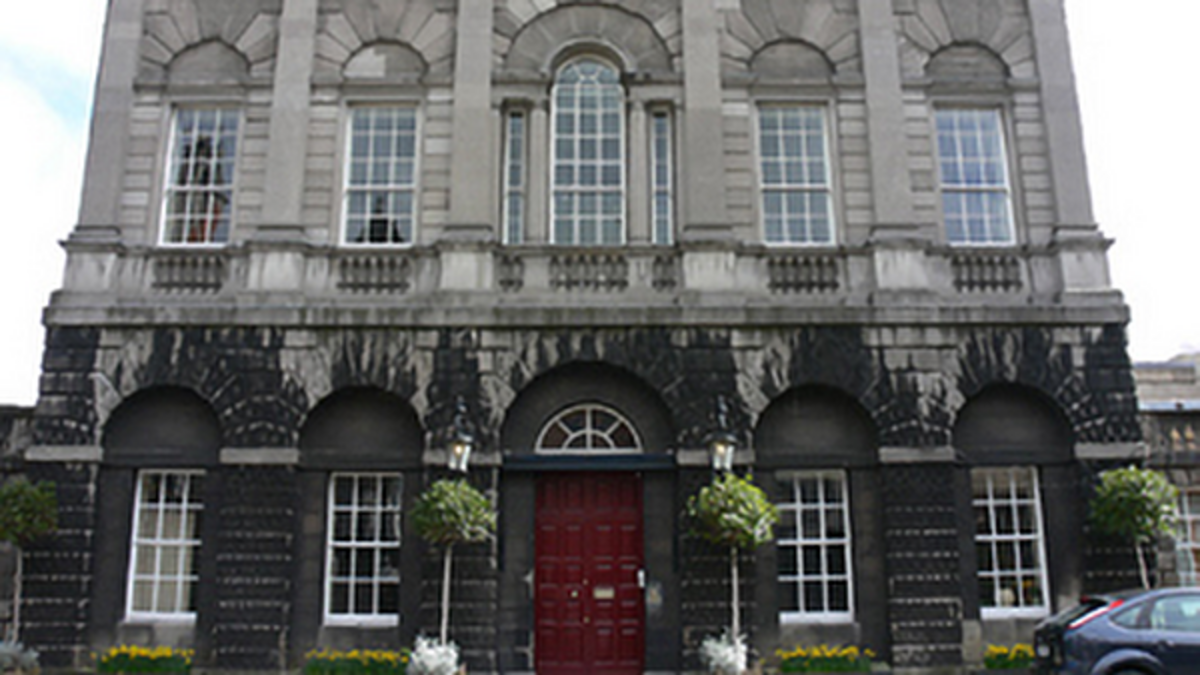
Restoration work on one of the country’s most famous homes, the Provost’s House at Trinity College Dublin, could cost up to €2.6 million.
A conservation action plan said around €676,000 needed to be spent without delay on roof and window repairs and works to the building’s façade.
It said a further spend of more than €190,000 would be required in the medium term, including repairs to a saloon ceiling from which plaster was falling.
The report added that longer-term works would also be needed to address other roof issues and carry out repairs to the front facade.
Overall, the full set of works could cost €2.59 million, based on 2024 construction costs that are likely to have risen since.
It said the most urgent works should be “progressed without delay” or the fabric of the Grafton Street building would be at risk.
Documents released under FOI show that upkeep of the property has cost €290,000 over the past four years.
Costs were highest in 2022 when €188,000 was spent, including €6,700 for antique furniture repairs and more than €1,600 for wallpaper.
A further €5,675 was spent on the painting of a metal balcony, while granite wall repairs cost almost €20,000.
A sum of €27,500 was paid for specialist asbestos removal, €2,000 for bespoke glass shower screens, and €550 for a new washing machine.
Expenditure in 2023 totalled around €51,000 including €22,600 in redecoration costs and €5,600 for repairs to the boardroom table.
Another €46,500 was spent in 2024 – with around half of that relating to the conservation report itself, which found significant works will be required.
Spending last year totalled just €4,200, covering costs for painting, window cleaning, brass butt hinges, and alarm maintenance.
The main conservation action plan was stark in its findings, saying far greater expenditure would be needed for windows, the roof, and the façade.
It said paint finishes and putty had “perished” in window frames and that restoration work “should not be delayed.”
The report said works to the façade would be complicated, but that stone would continue to decay without intervention.
“This will result in the preventable loss of any sound stones left in the wall today,” it said.
It said the condition of all parts of the roof would need to be addressed, with leadwork and an asphalt roof deemed highest priority.
The report added: “Copper flat roofs elsewhere will also require replacement when the occasional leaks repaired using temporary repairs become unviable so that the roof timbers are protected from damp.”
Asked about the records, a spokeswoman for the university said: “The Provost’s House, built in 1759, is a protected structure and Trinity has an obligation to ensure its upkeep.”