Amnesty report highlights Ireland's failure to protect sex workers
Kenneth Fox
A new report from Amnesty International highlights Ireland's failure to protect sex worker's human rights.
The report is part of the non-governmental organisations annual assessment of human rights around the world.
Speaking about the issues in Ireland, Amnesty International Ireland’s interim director for Human Rights, Fiona Crowley, said: “Over 2022, we raised serious concerns about the state of human rights in Ireland.
"The disregard shown for the safety of sex workers through continued criminalisation of aspects of sex work, as well as the government’s dismal failure to provide truth, justice and reparation for women and children who had spent time in Mother and Baby Homes, are both grave wrongs."
They also voiced concerns over the last year in relation to the proposed use of facial recognition technology by Garda in public spaces and, amid the escalating housing crisis, called again for a referendum on the constitutional right to housing.
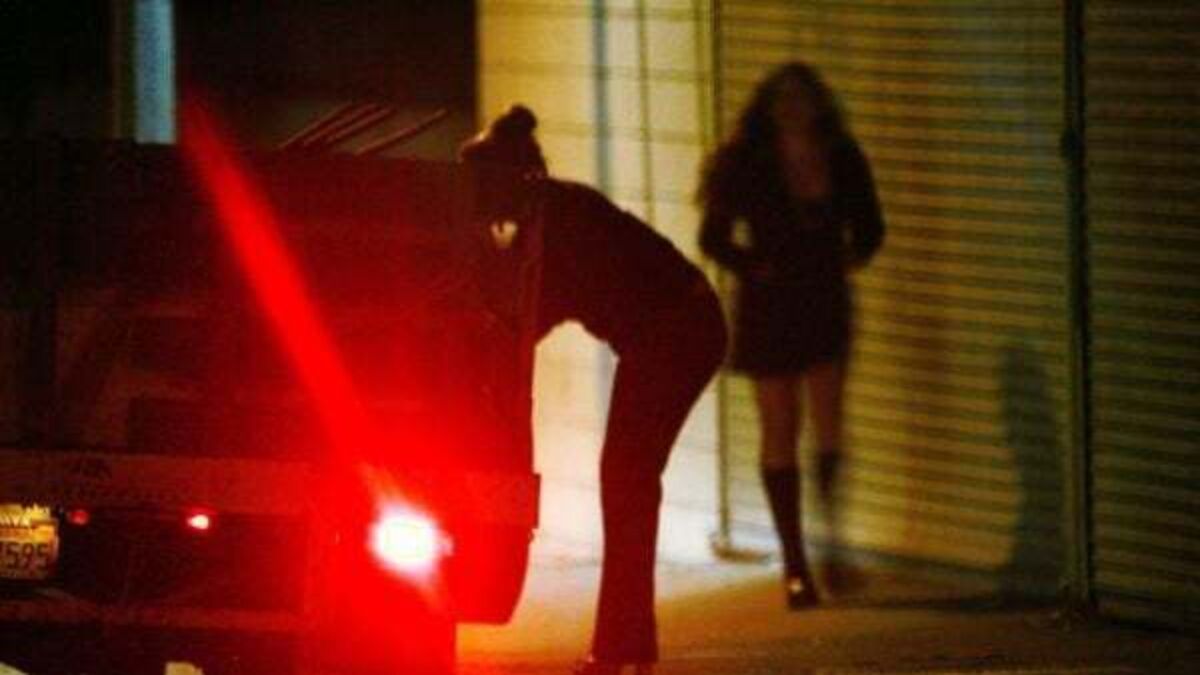
Research published by Amnesty in January 2022 shows that the criminalisation of aspects of sex work in Ireland has placed sex workers at higher risk of abuse and violence, including rape, and less able to trust gardaí.
This in turn has created a “chilling effect” on sex workers’ exercise of their human rights.
Amnesty International is calling on the Irish authorities to listen to sex workers and decriminalise all aspects of sex work.
The report of a three-year review of the 2017 law by the Department of Justice has still not been published.
Elsewhere in the report Amnesty criticised Europe's double standard when it comes to immigration.
Within days of the Russian invasion, the EU activated the ‘Temporary Protection Directive’ for the first time, providing immediate protection to displaced Ukrainians.
Nils Muižnieks Amnesty International’s Europe director said: "It demonstrated that, as one of the richest blocs in the world, it is more than capable of receiving large numbers of people seeking safety and providing them with quick access to accommodation, the labour market and education.
"In contrast, people arriving at Europe’s borders seeking protection, and in particular racialised people who fled Afghanistan, Syria and sub-Saharan Africa, continued to face racism, torture and other ill-treatment including violent rejection at the borders.
“European nations have demonstrated that they know what they must do in response to people seeking international protection and, crucially, that they can do it."