What to know about using self-tan and SPF – and ingredients you should never mix

By Lara Owen, Press Association
With heatwave after heatwave, we’re becoming increasingly aware of the dangers of suntanning.
A convincing fake tan can deliver a healthy-looking glow without the risks of sun exposure – but if you’re still heading out in the sun and applying SPF, knowing how to layer it with self-tan and active skincare ingredients can be surprisingly confusing.
From retinol and exfoliating acids to vitamin C and facial tanning drops, experts say getting the order wrong could not only compromise your sun protection, but cause premature fading, patchiness and skin irritation.
Here’s what to know before you reach for your self-tan this summer…
Self-tan should never replace SPF
One of the biggest misconceptions is that bronzed skin – even if it’s fake – somehow offers protection against the sun.
“As summer approaches, many will be looking to pull back on their make-up and focus more on using bronzing products for a sun-kissed complexion. [It’s crucial] to ensure adequate sun protection,” says Melanie Brownlow, co-founder of self-tan and SPF brand, St. Moriz.
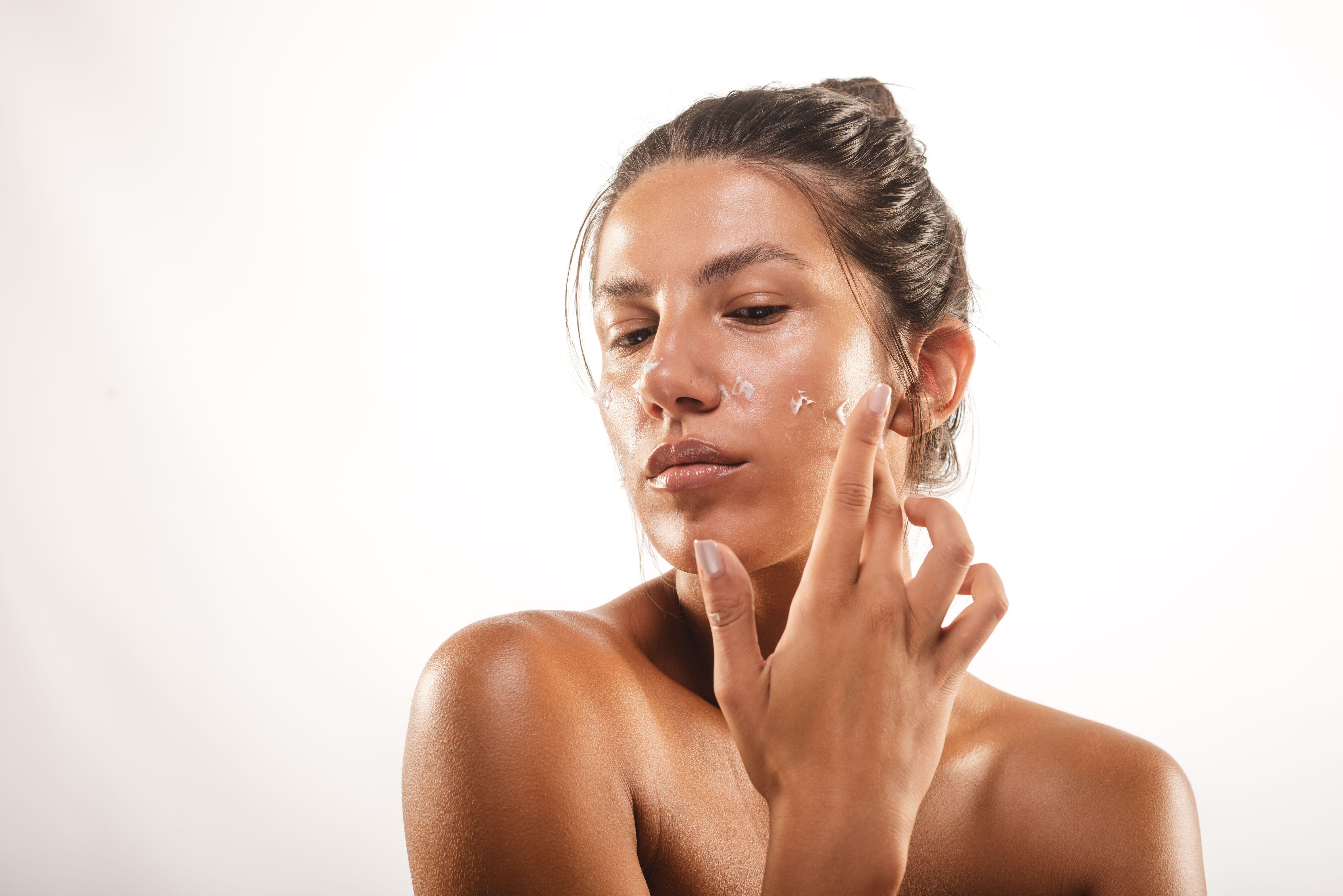
“The same principle applies to using tanning products and sunscreen on the body, because no, having fake tan does not prevent you from burning from sun exposure.”
Consultant dermatologist Dr Conal Perrett at The Devonshire Clinic says that people who wear self-tan cannot rely on the tan itself for UV protection.
“A cosmetic tan offers no meaningful defence against sunburn or skin cancer. If you are using actives and self-tan together, daily broad-spectrum SPF 30 or higher is non-negotiable, applied generously and reapplied through the day when outdoors,” he says.
Apply self-tan and SPF separately to avoid ingredients mixing
While it may be tempting to simplify your routine by mixing products together, experts warn against combining self-tan with sunscreen.
“When it comes to bronzing drops, or any self-tan products for the face, this is safe to mix in with your go-to moisturiser. However, when it comes to sunscreen, never mix any tanning products directly into this,” says Brownlow.
“The active ingredient – DHA – in self-tanning products interferes with sun-protection products, diluting the SPF and reducing its effectiveness against sun damage. Therefore it’s really important to know how to layer your products so that your sun protection is not compromised.”
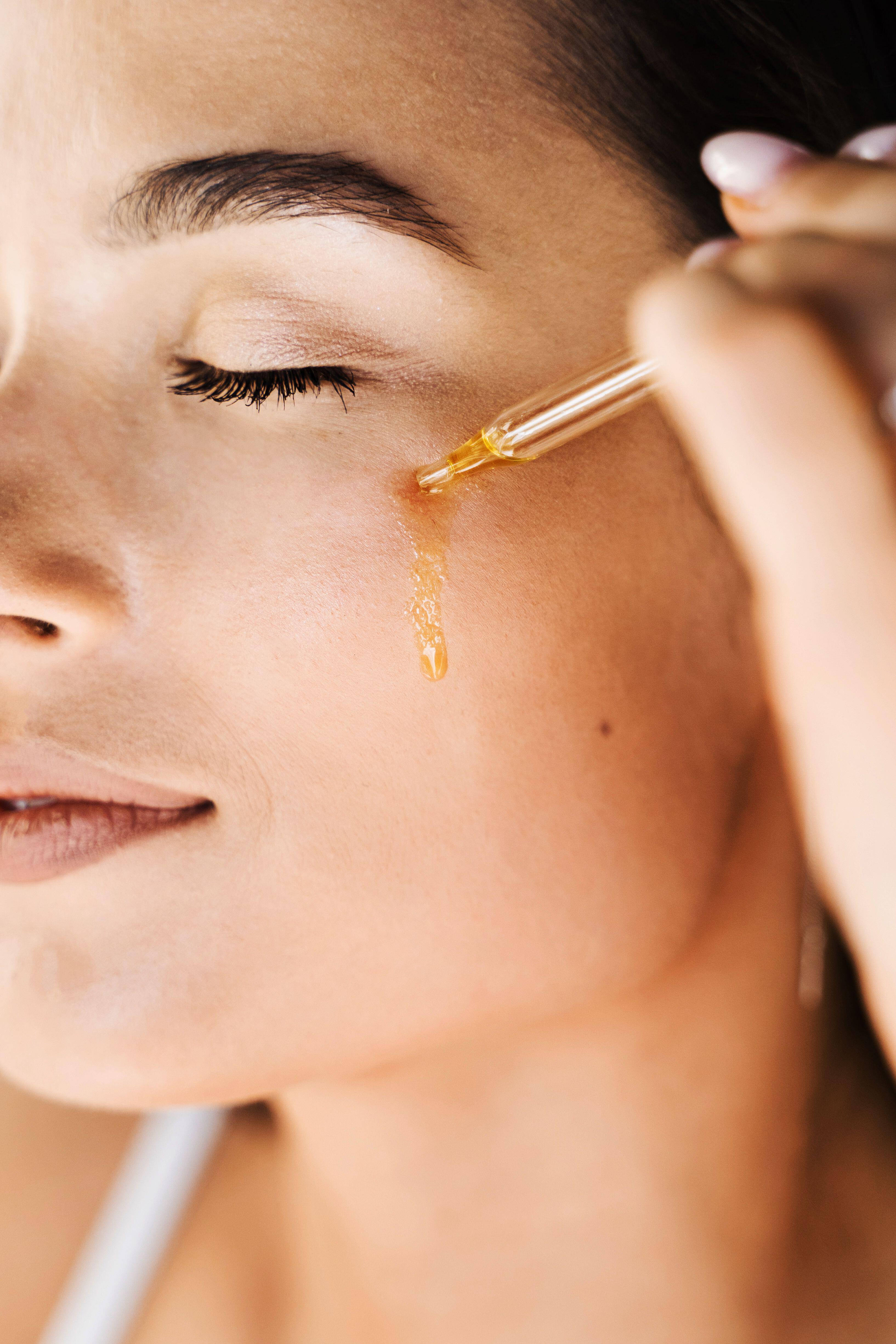
Instead, Brownlow recommends “using your tanning drops in the evening allowing it to develop overnight and just keep to your SPF and any cosmetic products in the day”.
When it comes to the order of applying your products, Perrett says “I usually advise applying your core skincare – gentle cleanser, hydrating serum, moisturiser – first, then your self-tan, and finally your broad-spectrum SPF as the last step in the morning.
“SPF should always be the final layer because anything applied on top can dilute or disrupt its protection.”
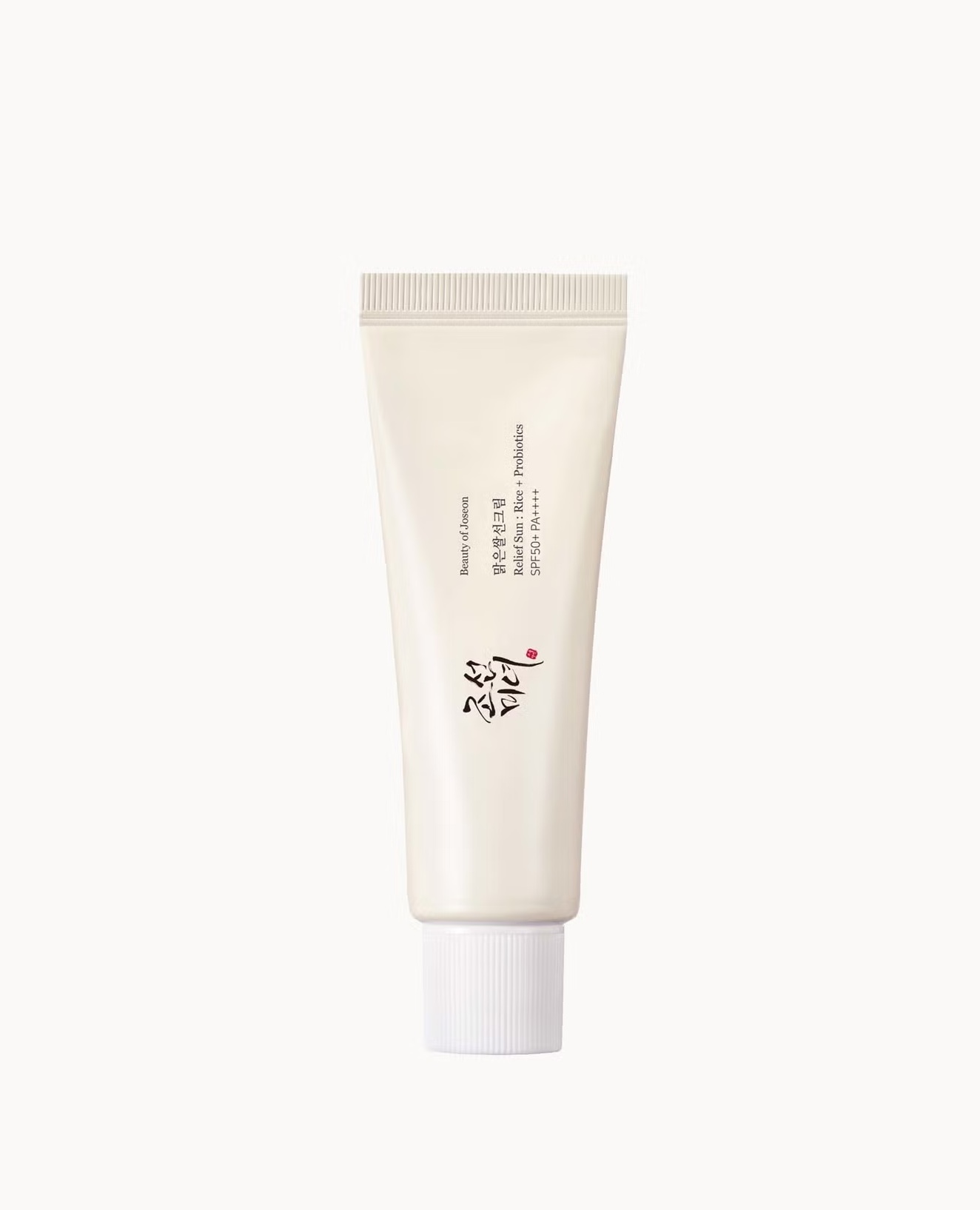
Beauty of Joseon Relief Sun Rice + Probiotics SPF50+, Look Fantastic
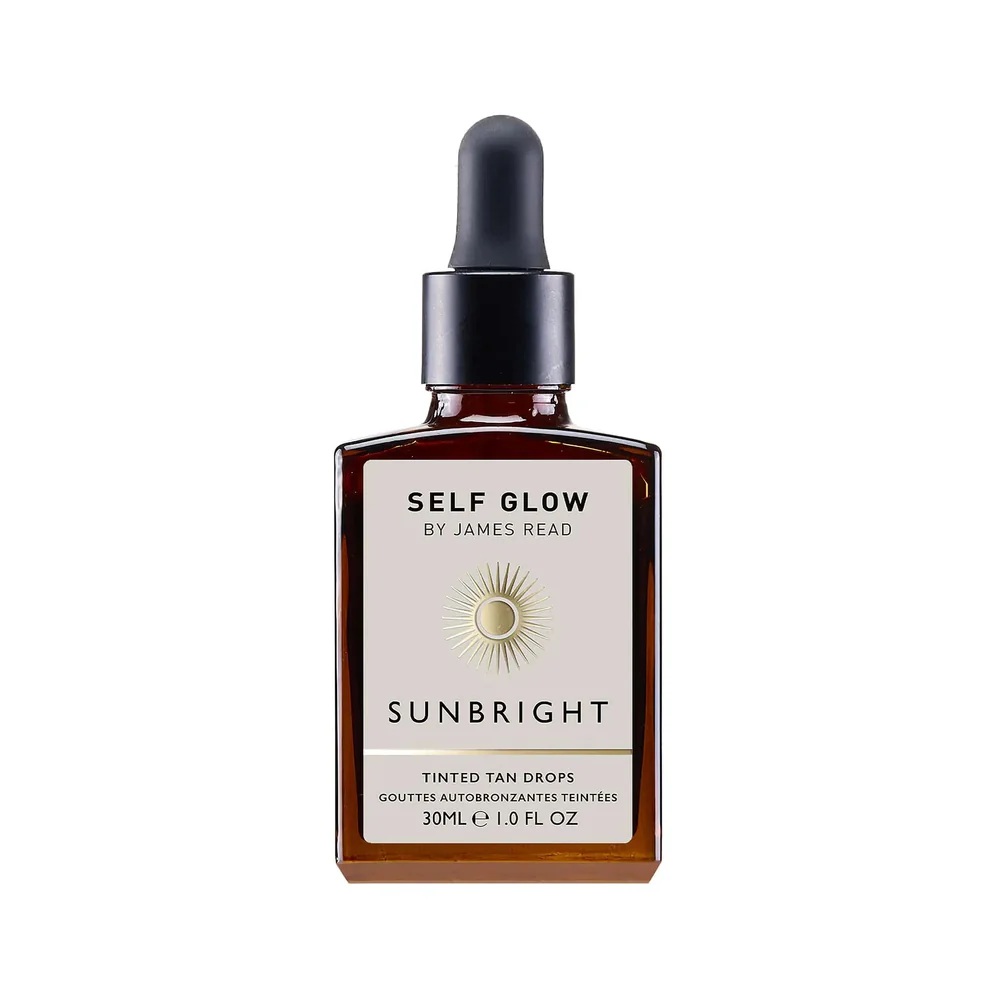
James Read Sunbright Tinted Tan Drops
Be wary of retinol and exfoliating acids when using self-tan
If you’ve invested time in achieving an even glow, your skincare routine could be undoing your efforts.
“Anything that increases exfoliation will tend to shorten the life of a self-tan, because you’re simply shedding the pigmented surface cells more quickly,” says Perrett.
“This includes retinoids, glycolic acid and other alpha-hydroxy acids, salicylic acid and strong physical scrubs. You don’t need to avoid them altogether, but you should expect that your tan may fade faster and may need more frequent top-ups.”
Brownlow says that if you’re using self-tanning products on the face, “try to keep application of both products separate, doing one in the morning and one in the evening to minimise unwanted interference”.
She also suggests switching cleansers if you’re using an oil-based one. “Oil-based cleansers [can interfere] when wearing self-tan on the skin as this, again, can break down the tan and leave it looking less even.”
Instead, compensate for a hydrating moisturiser to lock in moisture and your tan.
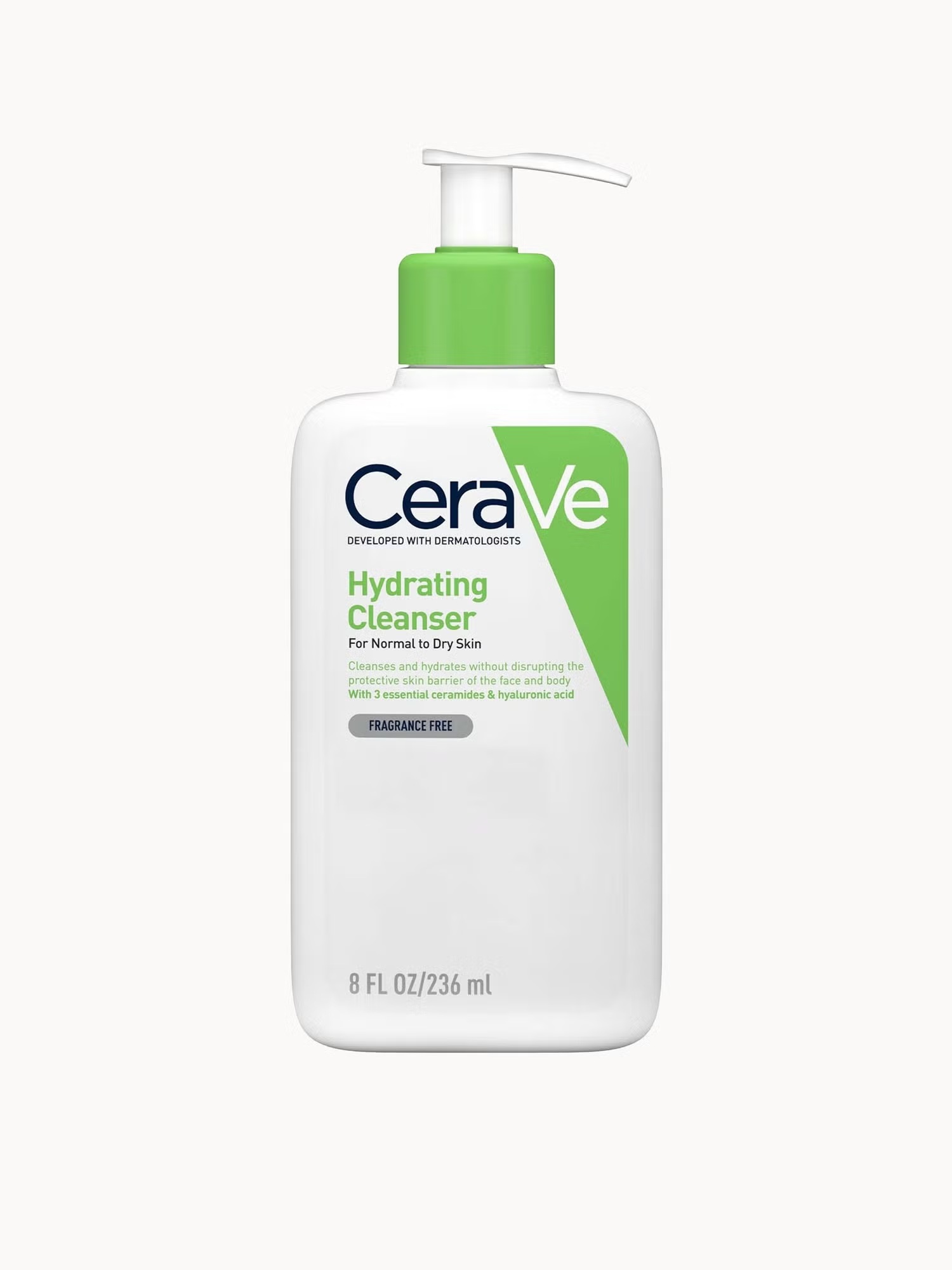
CeraVe Hydrating Cleanser with Hyaluronic Acid for Normal to Dry Skin, Boots
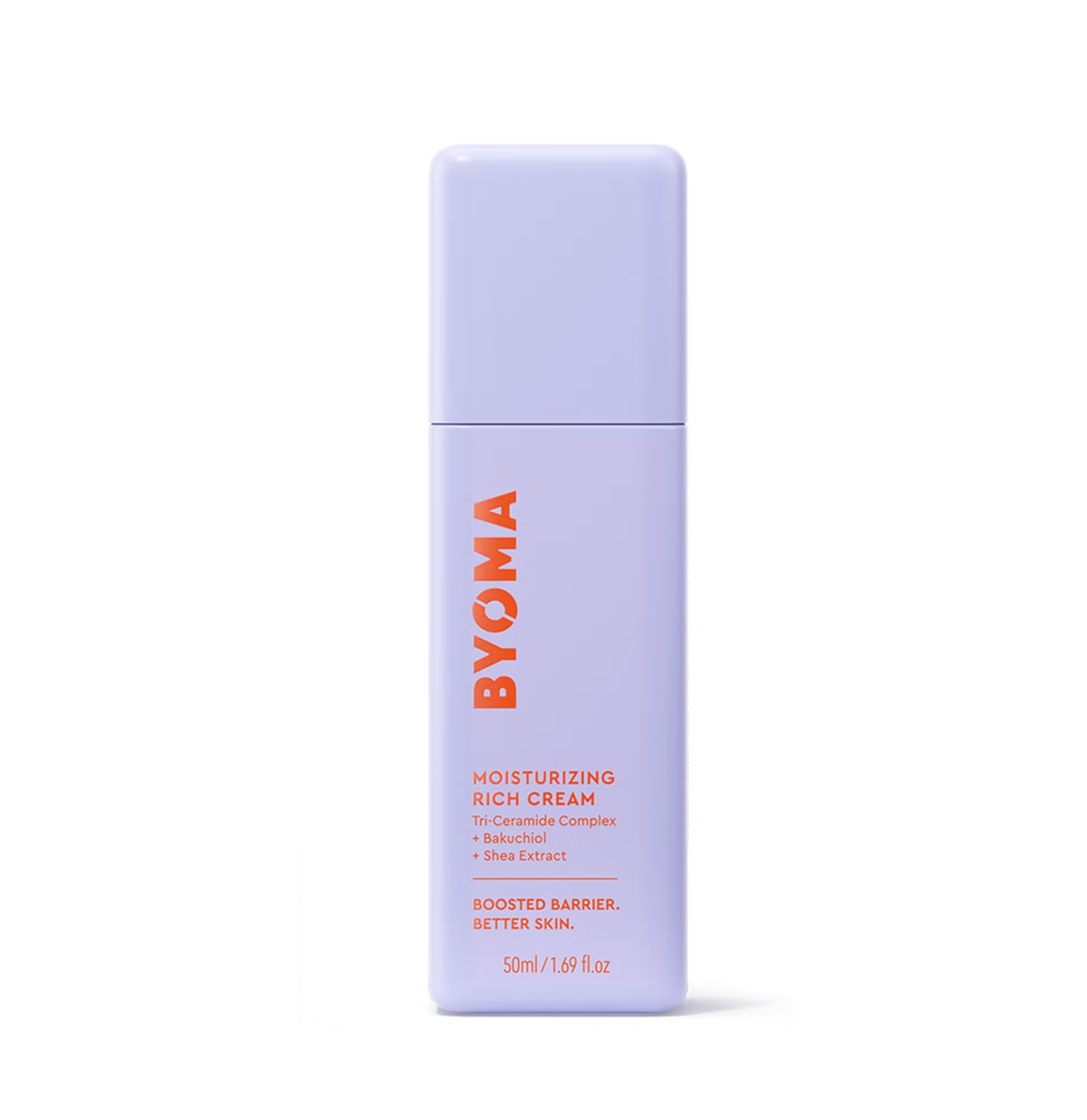
BYOMA Moisturising Rich Cream, Cult Beauty
Active ingredients increase sun sensitivity
Retinol and exfoliating acids don’t just affect the look of your tan – they can also leave skin more vulnerable to UV damage.
“Yes, many of the commonly used ‘active’ ingredients do increase sun sensitivity to some degree,” says Perrett. “Retinoids, glycolic and other AHAs, and salicylic acid all affect cell turnover and can thin or temporarily disrupt the stratum corneum, which makes the skin more vulnerable to UV damage.”
The active of vitamin C, however, acts differently. “Vitamin C is usually well tolerated and is often paired with sunscreen precisely because it helps neutralise some of the free radicals generated by UV exposure, but it should still be used within a routine that prioritises robust sun protection,” he explains.
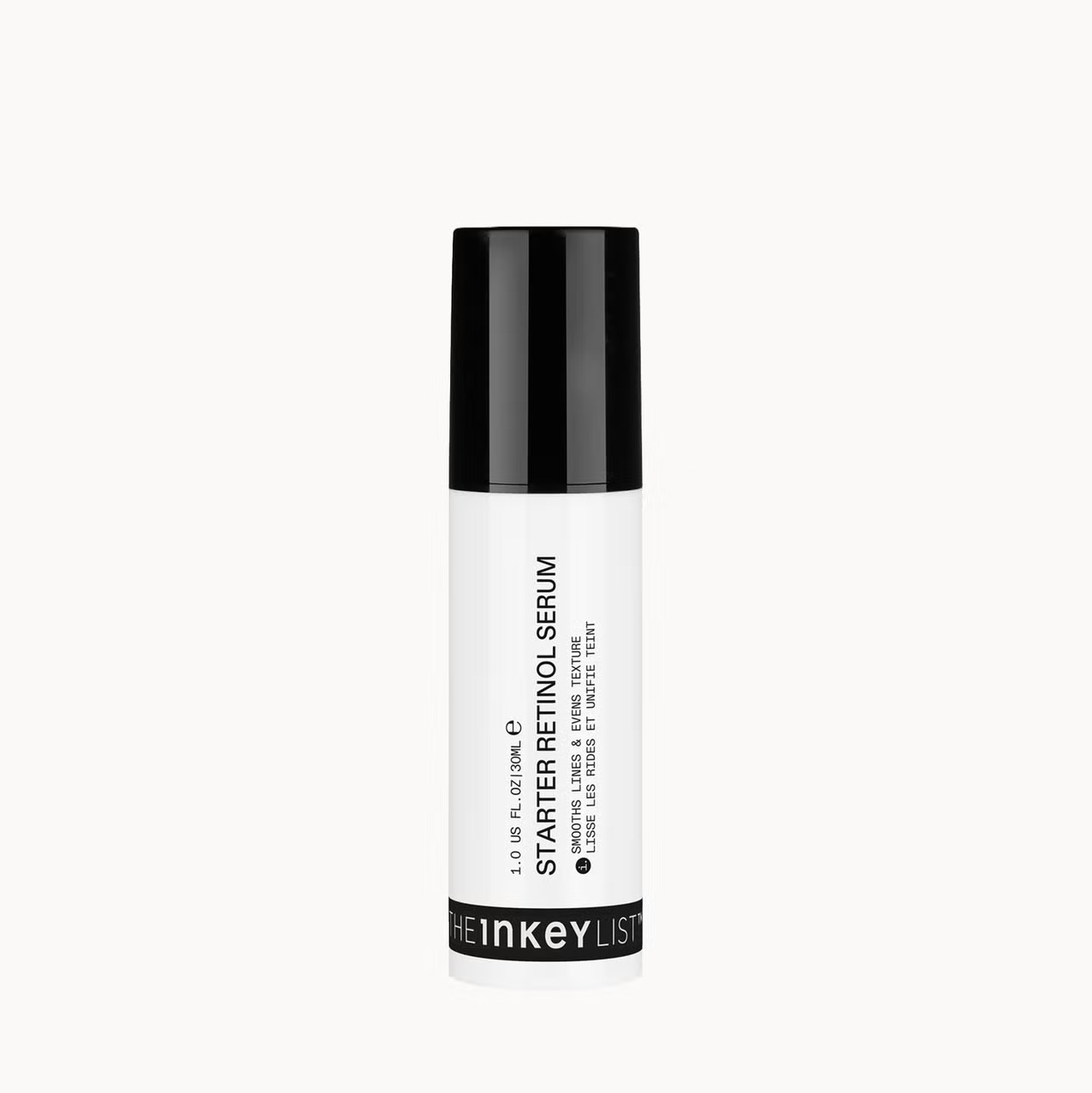
The INKEY List Gentle Starter Retinol Serum, Look Fantastic
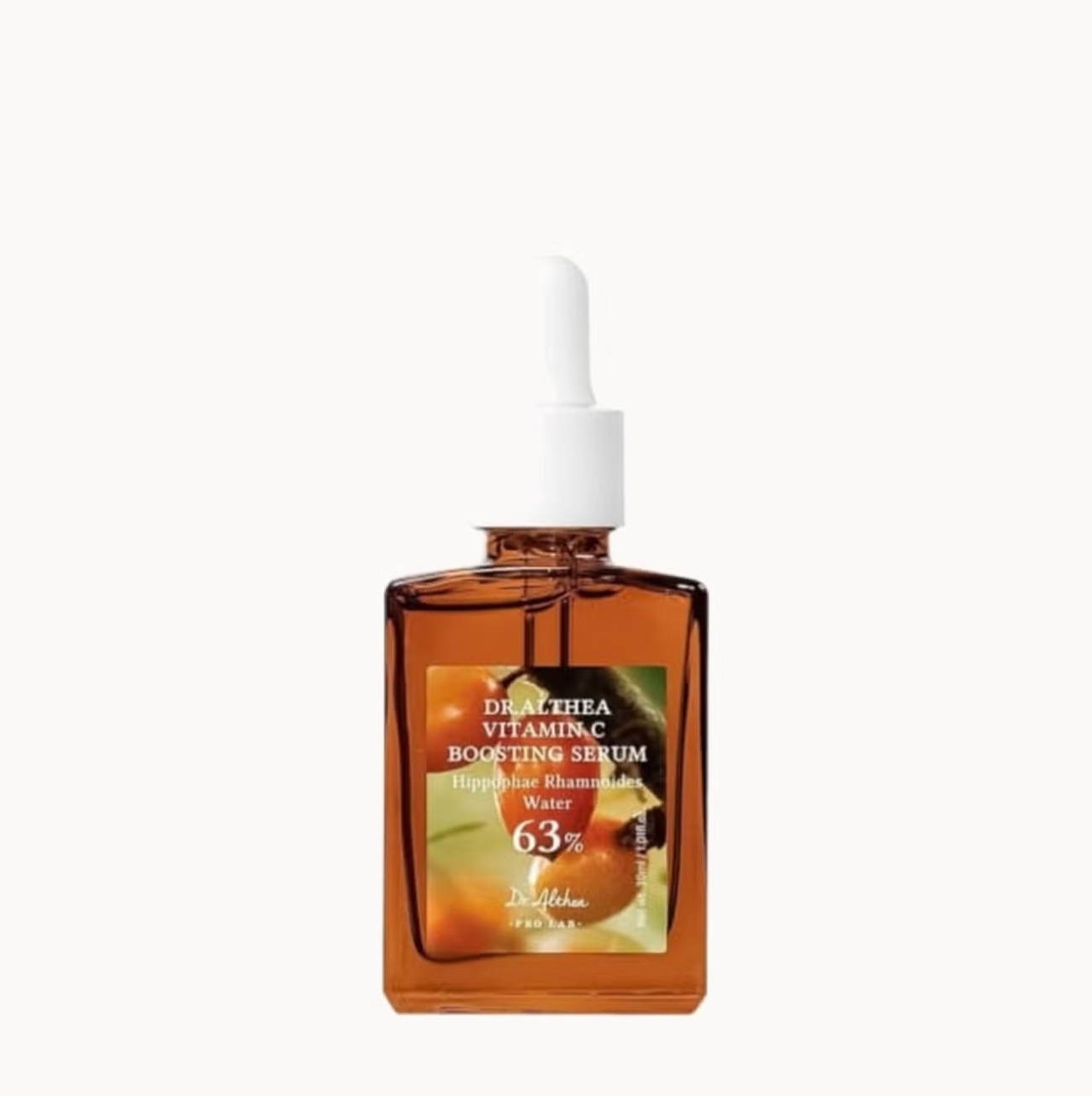
Dr Althea Vitamin C Boosting Serum, Boots
Plan your summer routine
Rather than abandoning active skincare or fake tan altogether, the answer to using both is separating them across your routine.
“If you enjoy both actives and self-tan, the routine simply needs a bit of structure.
“I often suggest ‘zoning’ and timing,” says Perrett.”Use your stronger actives – like retinoids, higher-strength acids – in the evening on nights when you are not applying self-tan to the face, and keep mornings focused on antioxidant protection, hydration and SPF.”
Don’t let self-tan hide changes in your skin
While self-tan won’t conceal obvious warning signs, it can make subtle skin changes harder to spot.
“Self-tan can certainly make it a little harder to see subtle colour changes in the skin, particularly in fair complexions,” Perrett explains. “It may temporarily obscure early redness, mild pigment changes or very fine textural changes that can be a clue to underlying sun damage.”
He recommends carrying out skin checks before your next application. “Perform regular skin self-examinations on untanned skin where possible, for example at the end of a cycle before you reapply your self-tan.”