ISCP Chief: Physiotherapy must be central to stroke care
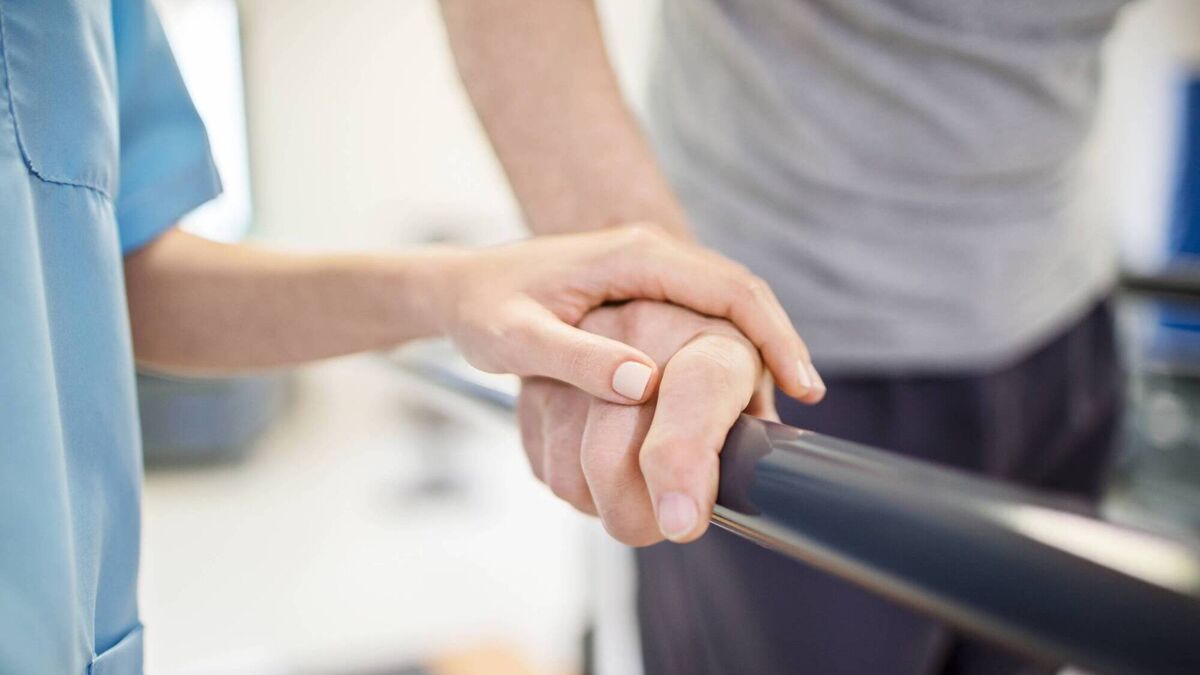
Ahead of World Physiotherapy Day tomorrow, Dr Marie Ó Mír, CEO of the Irish Society of Chartered Physiotherapists, discusses the vital role of the profession in helping people recover after stroke.
ISCP Chief: Physiotherapy must be central to stroke care

Much research has looked at the importance of physiotherapy in stroke care.
As Ireland marks World Physiotherapy Day on Tuesday, a growing body of Irish research into stroke recovery shows why physiotherapy must be recognised as a central part of stroke care.

Every year, more than 7,000 people in Ireland have a stroke, defined as a sudden interruption to the blood supply of the brain, caused either by a clot or a bleed. Brain cells begin to die within minutes, which is why healthcare professionals talk about stroke as a race against time: “time is brain.”

Rapid emergency treatment saves lives and limits damage. But what happens in the weeks, months, and years that follow determines whether a person goes on to live independently, return to work, or simply hold a grandchild again.

That is where physiotherapy comes in.

The effects of stroke vary enormously depending on which part of the brain is affected. Many survivors experience weakness down one side of the body, known as hemiparesis, or in more severe cases, complete paralysis.

Sensation can be altered too; a limb may feel numb, heavy, or oddly detached, and balance problems are common, raising the risk of falls at a time when confidence is already fragile. Everyday tasks that were once automatic, such as getting out of bed, dressing, or making a cup of tea, can suddenly demand enormous effort.

Neurological physiotherapists specialise in exactly this territory. Their work usually begins within 24 to 48 hours of a stroke, once a person is medically stable, starting with fundamentals like sitting up, standing and transferring safely.

What makes this work possible is one of the brain’s most remarkable properties: neuroplasticity, its capacity to reorganise itself and build new pathways around damaged tissue. Physiotherapy guides that process, tailoring the intensity and type of practice to each person and using repetition of meaningful, everyday movements to help the brain relearn lost skills.

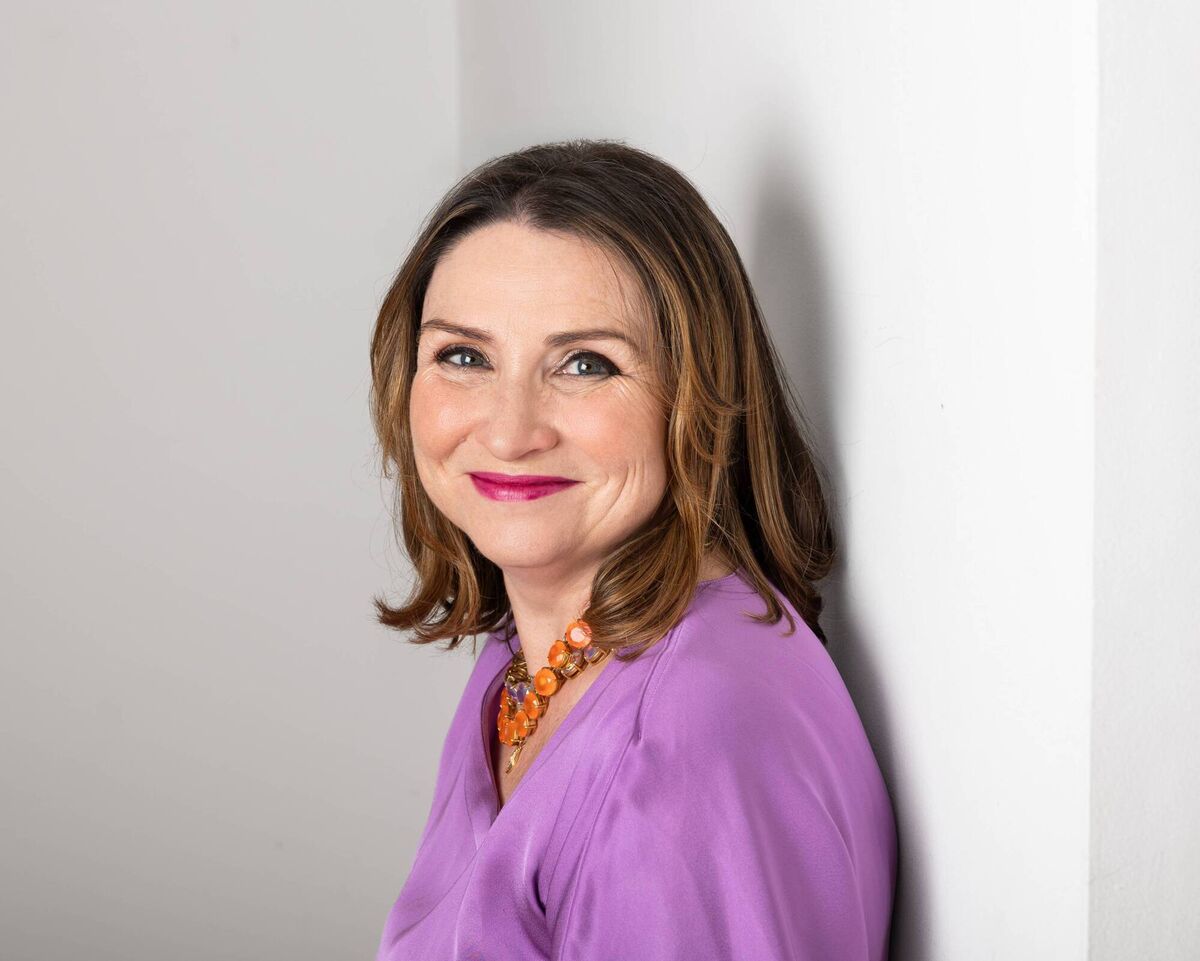
Dr Marie Ó Mír is CEO of the Irish Society of Chartered Physiotherapists. 

The “meaningful” part matters. Good neuro-physiotherapy isn’t about generic muscle strengthening; it is built around what matters to the individual in front of the clinician, whether that be walking to the local shop, returning to the golf course, or being steady enough to hold a grandchild.
Physiotherapists set these as concrete goals and break them into achievable steps.

Irish researchers have spent years building the evidence base behind this work. At RCSI, Professor Frances Horgan, a member of the Irish Society of Chartered Physiotherapists (ISCP), has examined return to work after stroke. Her multi-centre FREESE (Falls-Related Events after Stroke in Ireland) study, tracking survivors through their first year, established just how common and serious falls are during recovery, prompting a stronger focus on falls prevention within physiotherapy itself.

Among her other research projects, she has also studied how best to support the vulnerable transition from hospital to home, and whether a cardiac-style rehabilitation model could help address the cognitive difficulties that so often accompany stroke but go under-treated.

At UCD, Associate Professor Olive Lennon, also a member of the ISCP, has helped shape the UK and Ireland stroke guidelines that inform clinical practice nationally. She leads UCD’s research into robotic-assisted gait training, and helped ensure stroke survivors’ own experiences inform national research.

Elsewhere, research at Trinity College Dublin has shown that training family members to help deliver additional practice at home can meaningfully boost the amount of exercise therapy a stroke survivor receives in the critical early weeks. At the University of Limerick, researchers have examined Early Supported Discharge, which allows suitable patients to leave hospital sooner and continue intensive, physiotherapy-led rehabilitation in their own home rather than on a ward.

Physical activity is central to this evidence base too, and not only for regaining function. Alongside high blood pressure, physical inactivity is one of the biggest modifiable risk factors for stroke. Research suggests that combining regular activity, a healthy diet and prescribed medication can cut the risk of a further stroke or heart event by as much as 80 per cent.

Physiotherapists play a direct role here too, helping survivors build the confidence to return to swimming, the gym, or adapted exercise programmes, at a stage in recovery when inactivity is otherwise easy to slip into.

Recovery does not end at the hospital door. Depending on need, it continues through early supported discharge, specialist rehabilitation units, community teams, outpatient physiotherapy or, increasingly, telerehabilitation delivered online. And while the steepest gains often come in the first months, research shows meaningful improvement is possible for years afterward, provided practice and participation continue.

This matters now more than ever. In March, 2026, Ireland signed the Stroke Action Plan for Europe, committing to a stronger continuum of care from emergency treatment through to long-term community rehabilitation, and to developing the country’s next national stroke strategy. That commitment must be matched with resourcing, because the evidence, much of it built by Irish researchers, is unambiguous. Physiotherapy is not a peripheral service bolted onto stroke care.

It is a central part of helping survivors relearn how to live their own lives again, and it deserves to be funded and staffed accordingly.

As we mark World Physiotherapy Day this week, it is worth recognising the contribution of Chartered Physiotherapists across Ireland,not only in helping people recover from stroke, but in turning research and evidence into the care that patients receive every day.

The work of Irish physiotherapists, supported by organisations such as the Irish Society of Chartered Physiotherapists, demonstrates the vital role the profession plays in helping people recover, regain independence and live well after serious illness.

More in this section

Man filling oil tank with domestic heating kerosene. England, UK John Dolan: My home heating oil bill is huge, thanks to Trump... and Harris
Friends talking at cafe table during coffee break. Unrecognizable male and female colleagues discussing business issues, focus o Cork Views: Nobody told me this about life in your twenties
John Arnold: Dave was buried in England... but his home was always Cork John Arnold: Dave was buried in England... but his home was always Cork

Sponsored Content

Big Beach Clean 2026: Final call to join 7,000 Clean Coasts volunteers  Big Beach Clean 2026: Final call to join 7,000 Clean Coasts volunteers 
CS Skoda September 2026 In every hidden detail, Tapestry for Ireland captures who we are
When it comes to supporting education for children with special needs, every little helps a lot When it comes to supporting education for children with special needs, every little helps a lot
Contact Us Cookie Policy Privacy Policy Terms and Conditions

© Examiner Echo Group Limited

Add Echolive.ie to your home screen - easy access to Cork news, views, sport and more