Cork cardiologist: Beware of using a watch to monitor your heart
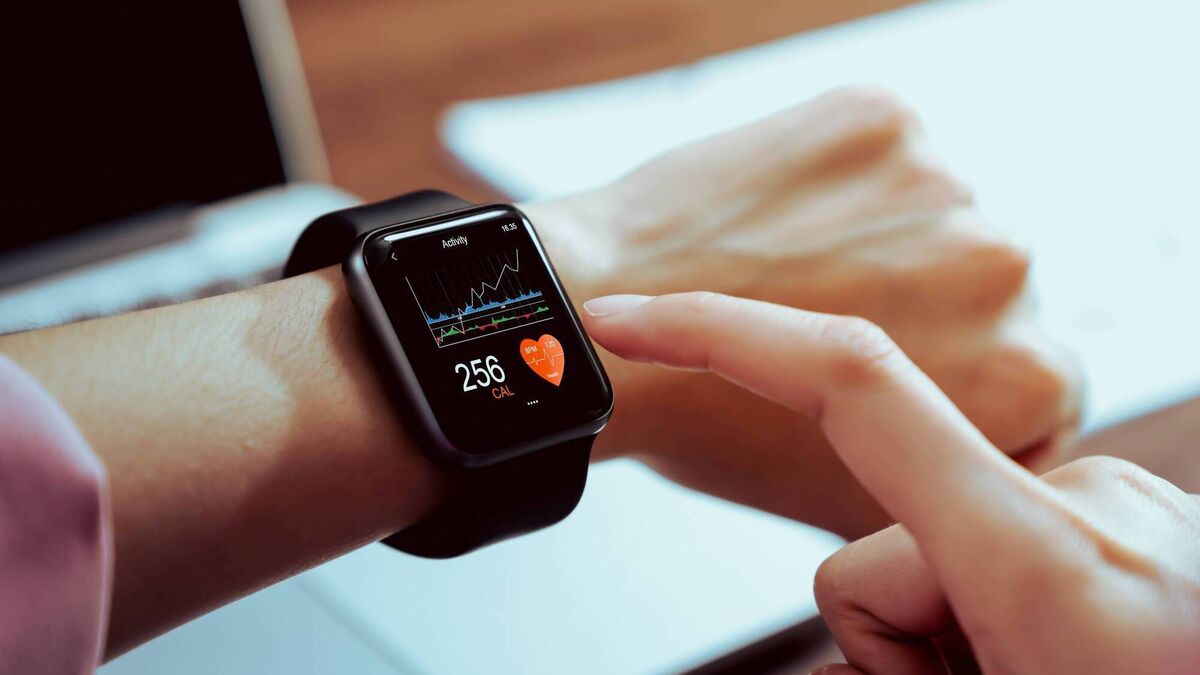
“A smartwatch can have many advantages, but it’s a tool, not a diagnosis”
“I got an alert on my watch.” It’s a phrase I hear increasingly often in the clinic.
Sometimes it’s a notification about a high heart rate. Sometimes it’s a lower resting pulse than expected. Other times it’s a drop in VO2 max or an irregular rhythm alert that’s understandably caused concern.
Wearable technology has transformed the way many of us think about our health. For the first time, people have access to information about their heart rate, fitness and recovery every day, rather than just during a visit to their GP or hospital. Overall, I think that’s a very positive development.
One of the biggest changes I’ve seen in my career is that patients are no longer passive recipients of healthcare. They’re taking a much more active role in understanding their cardiovascular health, asking informed questions and, in many cases, seeking medical advice sooner than they otherwise might have.
I’ve seen wearable technology help identify heart rhythm problems, including atrial fibrillation, that may otherwise have gone unnoticed. Earlier diagnosis can make a real difference.
I recently saw a remarkably fit sports player from Cork whose smartwatch revealed his heart rate stayed unusually high long after exercise. It did not diagnose the problem, but it pointed us in the right direction quickly enough to accelerate his investigations and schedule definitive surgery at the Mater Private Hospital Cork in the coming weeks.
Sometimes the most useful piece of medical equipment is already on the patient’s wrist.
But greater access to information also brings new challenges. People can become anxious about numbers without fully understanding what they mean: A resting heart rate that’s lower than expected. A higher-than-usual heart rate during a run. A fitness score that’s dropped since last week.
The numbers become the focus, rather than the person wearing the watch. Technology gives us information. It doesn’t always give us context. That’s where medicine still matters.
As a cardiologist, it’s great to see more people running, cycling, swimming, going to the gym, doing Hyrox, park-runs and making exercise part of everyday life. The health benefits of that shift are enormous.
At the same time, I’ve noticed how closely many people now monitor every aspect of their training: Heart rate. Recovery. VO2 max (the maximum amount of oxygen your body can use during hard exercise). Pace. Sleep.
Exercise has become something we measure almost as much as we experience.
Read More
There’s nothing wrong with data. In fact, it can be incredibly useful. But it’s important to remember numbers don’t exist in isolation.
A resting heart rate in the 40s may be perfectly normal for someone who exercises regularly. Equally, a higher heart rate during a demanding training session isn’t necessarily something to worry about.
Those readings only become meaningful when interpreted alongside the individual, their symptoms, their medical history. and their overall cardiovascular health.
One of the biggest misconceptions I encounter is the assumption that if someone is exceptionally fit, they must automatically have a healthy heart.
Usually that’s true, but not always.
Elite endurance athletes develop remarkable cardiovascular adaptations after years of training. Their hearts become larger and more efficient, allowing them to pump blood more effectively. That’s why many have resting heart rates that would concern someone who doesn’t exercise regularly.
At the same time, years of high-volume endurance training can increase the likelihood of certain heart rhythm problems in a small number of athletes later in life.
That doesn’t mean people should stop running or cycling. Far from it. Regular exercise remains one of the most powerful things we can do to protect our cardiovascular health. The benefits overwhelmingly outweigh the risks.
The point is simply that fitness and heart health aren’t always exactly the same thing, and no smartwatch can tell the whole story.
It’s particularly encouraging to see people take up exercise in their forties and fifties. The cardiovascular system responds remarkably well to regular activity, regardless of when you start.
Where I’d sound one note of caution is around our growing obsession with optimisation. Not every run needs to produce a personal best. Not every cycle needs to improve your VO2 max. Sometimes the healthiest thing you can do is simply enjoy being active.
I have similar thoughts when it comes to younger athletes. GPS trackers, heart-rate monitors, and performance metrics are becoming increasingly common, even in underage sport. Technology has its place, but I’d hate to see children become so focused on performance data that they lose the enjoyment of playing sport altogether.
Building healthy habits for life is far more important than chasing perfect numbers at 13 or 14 years of age.
The same applies to the amount of health information we’re all consuming. Patients increasingly ask about diets they’ve seen online, supplements that promise better performance and the latest training trends. Some of that advice is excellent. Some of it isn’t.
One of the most valuable parts of my job is helping people separate good evidence from good marketing. Every patient is different, and what’s right for an elite athlete - or a social media influencer - isn’t necessarily right for everyone else.
I don’t want people to stop wearing smartwatches. Quite the opposite.
If your smartwatch encourages you to become more active, that’s a positive. If it prompts you to seek medical advice when something genuinely isn’t right, even better.
But it’s important to remember that it’s a tool, not a diagnosis.
The biggest change I’ve seen isn’t the technology itself. It’s that people are taking a far more active role in looking after their own heart health. That’s something I wholeheartedly welcome.
Our challenge now is making sure we use that information wisely - so the data empowers us rather than worry us.







 App?
App?


