Cork Views: Teach our children beauty is natural, not made
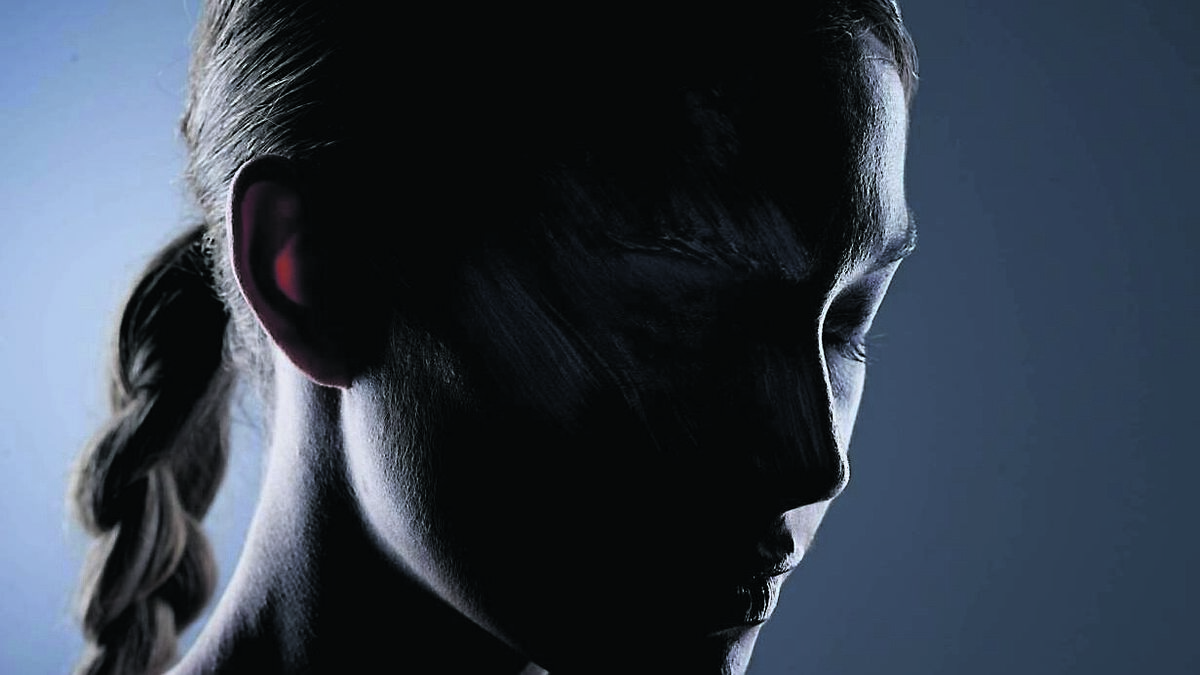
If your teen fixates on flaws, challenge their views and build self-compassion. iStock/posed
Imagine your 11-year-old daughter staring into the mirror, not seeing the freckles you love, but a “flawed” canvas needing filler, Botox, and lasers. “Mum, I’m ugly without it,” she whispers.
This isn’t dystopian fiction, it’s cosmeticorexia, the chilling trend where kids chase endless cosmetic procedures, convinced natural beauty doesn’t exist.
As a psychotherapist, I’ve seen it first-hand: a 14-year-old client, bright and kind, spiralling into secrecy after her first ‘tweakment’. Her confidence shattered, replaced by a skincare-dependent self-image.
This isn’t vanity, it’s a mental health crisis masquerading as self-care.
What is cosmeticorexia, and why it’s not “just aesthetics”
Cosmeticorexia describes the compulsive pursuit of cosmetic procedures (fillers, Botox, skin treatments) driven by body dysmorphic distress, not realistic enhancement.
Emerging from TikTok’s #GlowUp culture and Instagram’s filtered perfection, it’s named like ‘exercise bulimia’, obsessive ‘fixing’ to fill an unmeetable void.
Theoretically, it’s eating disorder’s dangerous cousin. Like anorexia nervosa, it thrives on distorted body perception, the brain insists “one more syringe” will fix you, mirroring the anorexic’s “one less bite”.
Both activate the same reward-deficiency cycle: dopamine hits from temporary ‘improvement’, fuelling addiction.
Emotionally, it’s BDD (Body Dysmorphic Disorder) on steroids, where 80% of sufferers seek unnecessary procedures, with 20% attempting suicide.
Unlike classic eating disorders’ focus on thinness, cosmeticorexia targets ‘flaws’ everywhere: lips too thin, jawline too soft, skin not glass-smooth.
Recent research by The Guardian in the UK found that more than 400 videos on TikTok out of 7,600 were skin-care regimen-related posts by under-13s - 90 of these were by under 5s.
Cognitive, emotional, and societal traps
Cognitively, it rewires thinking: All-or-nothing distortions (“I’m unlovable without glass smooth skin”) and magical thinking (“This face mask = happiness”) dominate, per CBT (cognitive behavioral therapy) models. Minors can’t consent to permanent changes, yet clinics market ‘baby Botox’ to teens.
Emotionally, it breeds shame spirals. Procedures promise control but deliver regret, swelling, asymmetry, ‘pillow face’, Self-esteem crashes; social withdrawal follows.
A UK study found 70% of young filler users experienced worsened anxiety/depression post-procedure.
Societally, we’re drowning kids in toxic perfectionism. Algorithms push #LipFillerCheckIns (500 million-plus views); influencers glamorise ‘14 and filled’.
Ireland’s aesthetic industry boomed 300% post-pandemic, with under-18 procedures up 50%. The message? Your natural face = failure.
The devastating ripple on children and adolescents
Developing brains - with the prefrontal cortex immature till 25- are extra vulnerable.
Cosmeticorexia hijacks identity formation, children outsource self-worth to anti-ageing, ‘glass’ skin regimens, not to relationships or talents. There is also a mental health fall-out:
Anxiety/Depression: 2-3x higher rates.
Social Isolation: Hiding ‘imperfect’ recovery faces.
Escalation Risk: 40% progress to eating disorders or self-harm.
A future shaped by this?
Picture your child at 25: a ‘face’ of fillers masking chronic insecurity. Relationships falter (“Do they love the real me?”). Careers suffer, endless appointments, ‘frozen’ expressions undermining authenticity.
Adulthood = maintenance mode: spending €10,000 a year on upkeep, haunted by pre-procedure photos, cycling through regret, more procedures, and deeper despair.
Without intervention, it’s a lifetime of emotional paralysis.
The compassionate wake-up call
Parents, this isn’t “growing up with beauty standards”, it’s a public health emergency.
If your teen fixates on ‘flaws’, validate them gently: “You’re beautiful as you are, and struggling is real.”
CBT shines here: challenge distorted thoughts, build self-compassion. Push for age bans (matching the UK’s under-18 filler ban would be a start). Model unfiltered joy.
Our kids deserve faces that age with laughter lines, not filler lumps. Let’s reclaim natural beauty before cosmeticorexia steals their spark.
If this hits home, reach out. Early help changes everything.
See: www.smaointecbt.com or email smaointecbt@gmail.com.

App?