New guide aims to help people to take control of energy use
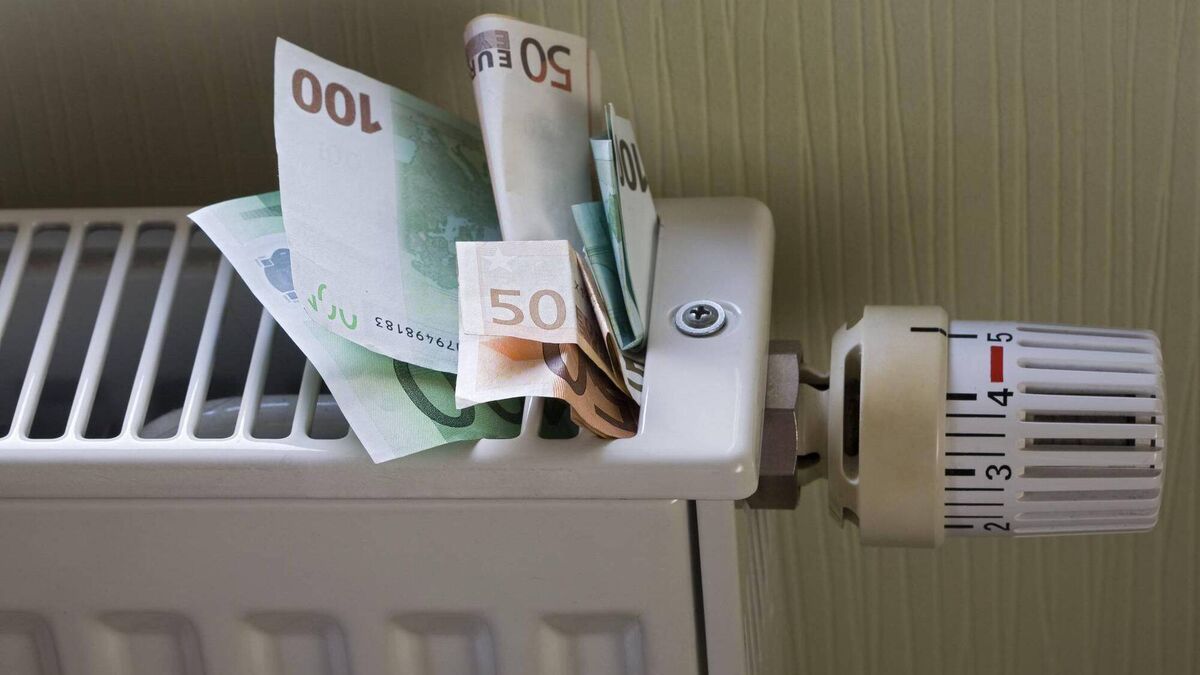
As energy bills continue to rise, electricity suppliers have launched a booklet that helps customers better understand their usage - and may help them reduce their payments
New guide aims to help people to take control of energy use

The new guide is intended to give customers the information and confidence to make informed choices about their energy use. 
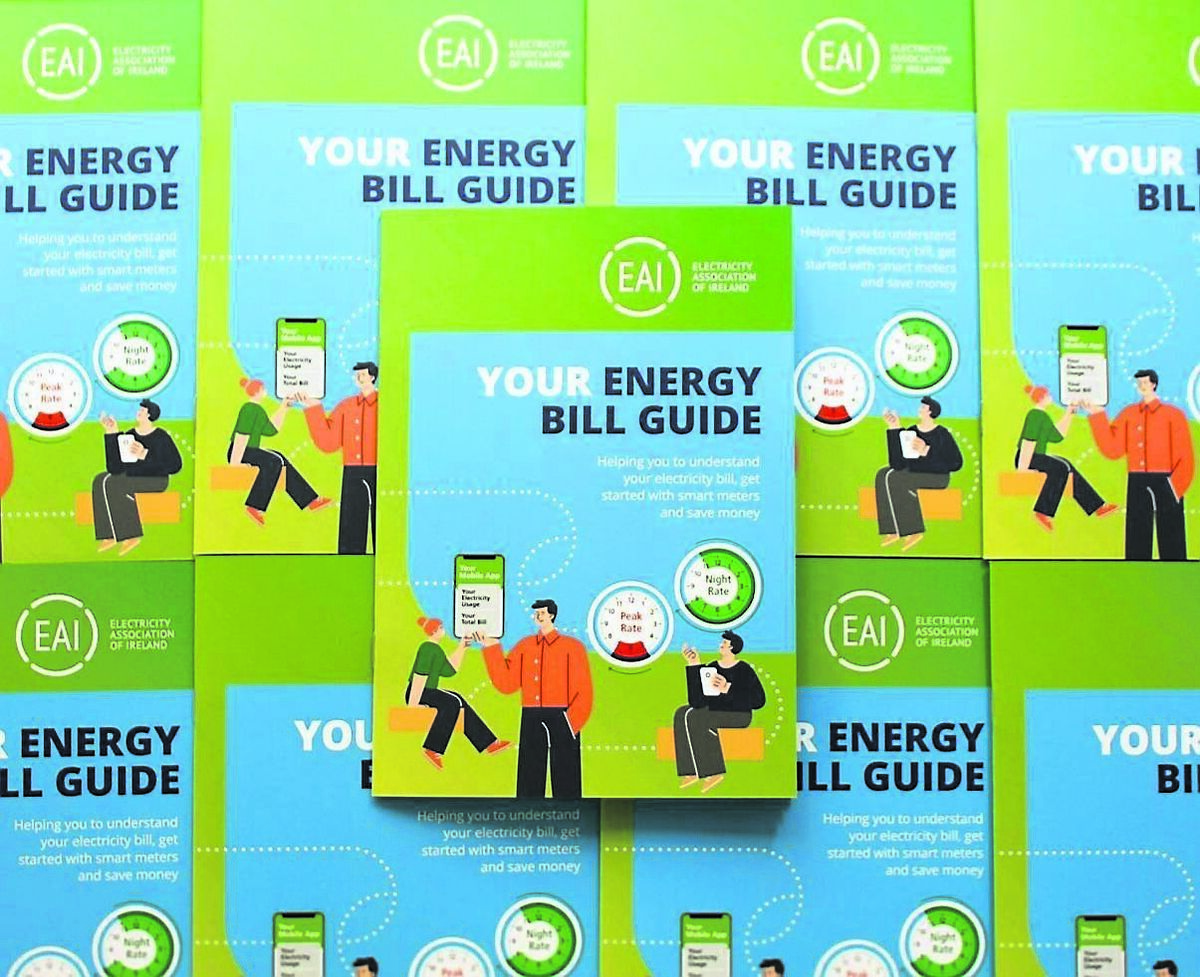
As households pay closer attention to how energy is used in the home, amid rising energy bills, electricity suppliers have launched a new guide to help customers navigate their bills and take control of their electricity usage.

The Energy Bill Guide, published by the Electricity Association of Ireland, provides clear information on bill calculations, smart meters, and practical ways to reduce consumption and costs.

Everyone can get the guide at www.eaireland.com

The Electricity Association (EAI) is the policy body for the industry, with members including Bord Gáis Energy, Ecopower Supply, Electric Ireland, Energia, Flogas, Pinergy, Prepay Power, SSE Airtricity, and Yuno Energy.

EAI worked with the National Adult Literacy Agency (NALA) to prepare the guide.

The launch comes amid ongoing concerns about energy affordability, with Ireland continuing to face exposure to severe global fossil fuel price volatility, particularly due to the country’s major reliance on imported natural gas for electricity generation.

The new guide is intended to give customers the information and confidence to make informed choices about their energy use, including switching tariffs, using electricity at cheaper times of day, and accessing supports if they are struggling to pay their bills.

It covers the key components of an electricity bill, including unit rates, standing charges, levies and VAT, as well as how consumption is measured in kilowatt-hours.

It also outlines how factors such as insulation and appliances affect energy usage.

Electricity customers are also encouraged to make greater use of smart meters, which provide detailed data on when electricity is being used.

More than two million smart meters have already been installed in Irish homes and can enable access to time-of-use tariffs, where electricity is cheaper at off-peak times such as overnight.

The new guide launched by the Electricity Association of Ireland provides clear information on bill calculations, smart meters, and practical ways to reduce consumption and costs

The Electricity Association said that shifting electricity use away from peak hours, typically between 5 pm and 7 pm, can help households reduce costs, particularly if they’re using high-energy appliances such as showers, hobs, ovens, or tumble dryers.

The guide also points to newer options for consumers, including smart tariffs, electric vehicle plans, and microgeneration schemes, which allow households with solar panels to earn money by exporting excess electricity back to the grid.

EAI chief executive Dara Lynott said the guide is intended to complement existing protections and supports for customers ‘in a competitive and regulated market that is overseen by the Commission for Regulation of Utilities’.

“Energy bills have a number of elements that combine to form the final amount,” he said.

“This new bill guide is about giving people straightforward information so they can understand what they’re paying for and feel more in control of their energy usage.

“Making some changes, like when and how you use appliances or talking with your supplier about smarter tariffs, can make a real difference to your overall energy costs.”

Mr Lynott expressed the industry’s overall concern about the current conflict in the Middle East in relation to energy costs. He said that suppliers are working as hard as possible to shield customers from global energy volatility.

Ireland remains exposed to international fossil fuel price fluctuations, particularly due to its continued reliance on imported natural gas, accounting for up to 50% of all Irish electricity generation in any given year.

The most effective long-term solution to this dependence is the accelerated electrification of the Irish economy, including industry, transport and heating, combined with the rapid deployment of domestic renewable generation.

Increasing the share of renewable electricity, alongside investment in networks, storage and system flexibility, will reduce reliance on gas-fired generation and enhance Ireland’s energy security.

EAI also recommends strengthening existing supports such as reinstating the free electricity allowance in the Household Benefits Package, enhancing energy efficiency and electrification schemes, and ensuring that State interventions are carefully targeted to support affordability, particularly for vulnerable customers.

The Association added that under the industry’s Energy Engage Code, support is available for customers who are struggling to pay their bills, with a firm commitment that no household engaging with their supplier will be disconnected.

More in this section

John Dolan: My family Census riddle... Who the heck is James Mulligan?! John Dolan: My family Census riddle... Who the heck is James Mulligan?!
John Arnold: I miss milking and the herd... but I’m loving retirement too John Arnold: I miss milking and the herd... but I’m loving retirement too
Cork city festival celebrates the joy of singing Cork city festival celebrates the joy of singing

Sponsored Content

Your local hearing care experts in Cork Your local hearing care experts in Cork
AF The College Green Hotel Dublin March 2026 The College Green Hotel: A refined address in the heart of Dublin
SETU and Glassworks set to accelerate innovation SETU and Glassworks set to accelerate innovation
Contact Us Cookie Policy Privacy Policy Terms and Conditions

© Examiner Echo Group Limited

Add Echolive.ie to your home screen - easy access to Cork news, views, sport and more