How to dispose of a vehicle at the end of its road
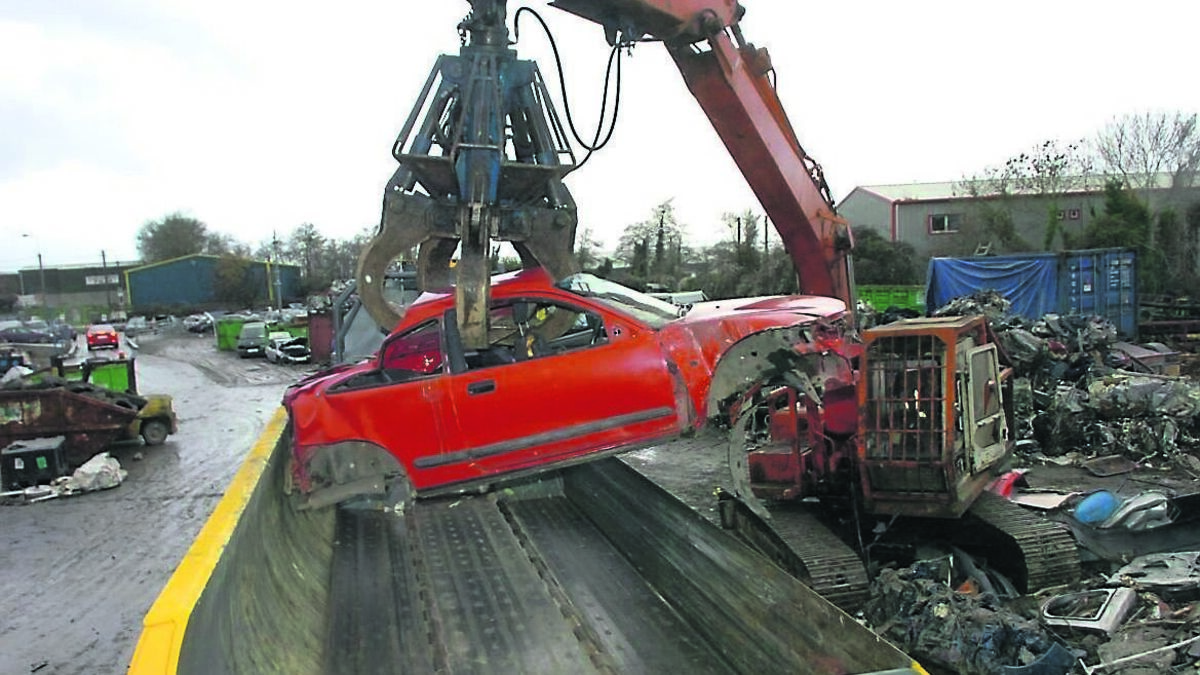
When a car gets old and can’t be used anymore, it becomes an ELV (end of life vehicle).
Issue you (if you are the registered owner) with a certificate of destruction
Forward the details of the certificate of destruction to the National Vehicle and Driver File. These records are kept by the Department of Transport
Issue the registered owner with a certificate of destruction (either electronically or in paper form)
Make sure the facility is operated under an appropriate waste licence or permit
Meet the minimum technical requirements for the storage, treatment and recovery of end-of-life vehicles and the storage of components containing fluids, spare parts, etc
Keep records of end-of-life vehicle materials for reuse, recycling, recovery and disposal and report these records to local authorities annually
- Removing the battery or batteries
- Removing the liquefied gas tank
- Removing (or neutralising) potentially explosive parts (including air bags)
- Removing, collecting, and storing fuel, oils, and other fluids (for example, brake fluid)
- Removing any parts containing mercury
- You are the registered owner of that vehicle and
- The vehicle is intact
Summary conviction: a class A fine or 12 months imprisonment (or both)
Conviction on indictment: a fine of up to €500,000 or 3 years imprisonment (or both)







 App?
App?


