Is it time for a new Cork cuisine?
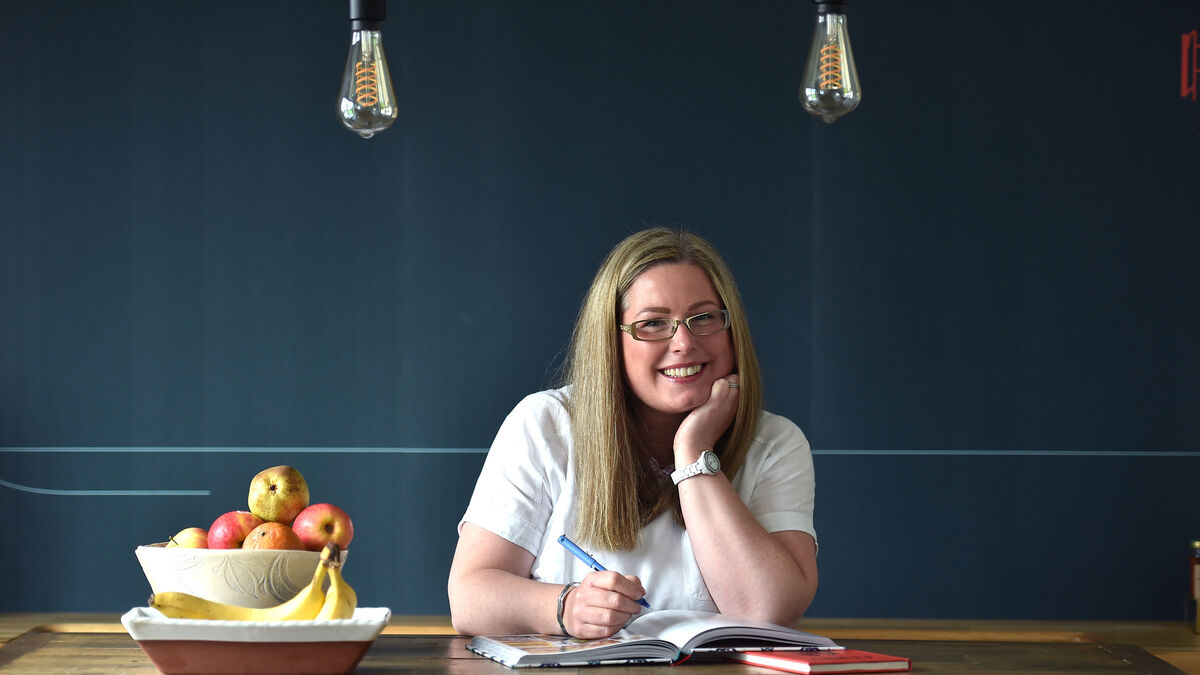
Columnist Kate Ryan at her home in Cork. Picture Dan Linehan
WHEN a foodie obsessive like me looks out the window in west Cork, what do I see? I see dairy cows, and cattle raised on pasture for incredible tasting beef. From April, Bushby’s delicious strawberries and raspberries. Down the road, free range pigs and chickens produce succulent pork, poultry and eggs with bright, sunny yolks.
Small plot and large fields growers alike produce vegetables veering from the ubiquitous (potatoes, carrots, cabbages) to the rare and unusual (wasabi, asparagus, mushrooms). Ten minutes away, a brewery and award-winning distillery. The freshest of Atlantic catch sparkles on fish counters offering a delicate counterpoint to robust tastes of smoked wild fish and handmade charcuterie.
Throw a stone, I’ll likely hit a cheesemaker, the bean-to-bar chocolate maker working in micro batches, or fermenter creating funky drinks and vinegars from wild captured yeasts.
There are bakers celebrated for their breads and laminated pastries, chutney, jam and ice cream makers. And when I’ve had enough of working with all these things in my kitchen, I’ll whisk myself away to a restaurant serving food worthy of illustrious acclaim, or the pleasure of a well-made sandwich, brunch, or comforting bowl of soup.
Why am I rhapsodising more vociferously than usual about the growers, producers, farmers and makers in my little corner of west Cork? Well: Claus Meyer. Who?
Claus Meyer is the visionary behind the New Nordic Cuisine movement and co-founder with Rene Redzepi of Noma, once the world’s most lauded and awarded restaurant. Meyer sold his majority stake in Noma in 2013, but his career started long before and continued long after. While Redzepi’s name is most familiar to many, it’s Meyer’s vision that endures.
Attending an event at The Ludgate Hub in Skibbereen recently on West Cork’s Food Culture, the question was posed: what is the future of food culture for the region? Sixty percent of all artisan food producers in Ireland are in west Cork, and 25% of all businesses in the region are connected to food and drink: Producers, retailers, restaurants etc.
During the event, a recorded presentation by Claus Meyer was shown. He returned to Denmark after an early career as a chef in France, describing it less like a country than a larder with thousands upon thousands of artisan producers, and a proud food culture cherished by all.
He described Denmark’s culinary landscape as lacking in deliciousness and diversity; devoid of the “distinctive regionality connected to terroir” he had left behind in France.
In changing Denmark’s culinary landscape to something more akin to France, he looked to the niche - microenterprises focused on specialisation and expertise in a particular process, such as barrel-aged apple cider vinegars.
At the time, the international culinary scene was dominated by France and Spain. Meyer saw an opportunity for a new scene to emerge. New Nordic Cuisine swept away the regional narrative that there was nothing to eat – nothing of consequence or deliciousness, anyway. The Nordics, he said, was a culinary “chamber of horrors” with its weird, fermented meats and fish, and disarray of forageable ingredients.
Instead, Meyer looked to redefine the pillars of fine dining: nature, native, climate and regionality. Suddenly, wild plants and forest lichens were exciting. Native fish, shellfish and seaweed species told a story of cool waters. Meat and cheese reflected Nordic wind-blown landscapes and its wildflower forage fed upon during short summer months to produce a flavour unlike any other.
The food on the plate mirrored where ingredients came from, and cooking became less about disguising ingredients and more about finding ways to enhance natural flavours and textures.
For all his patriotism as a Danish man, he realised defining regionality as key to exposing a wider larder of potential ingredients as well as an audience with which to wow them with - hence Nordic, not Danish.
Meyer has gone back to the micro view. “What’s outside the window?” he asks, “because that’s where the adventure lies.”
What’s this all got to do with west Cork? Everything!
For all its restaurant accolades of recent years, Covid and now the war in Ukraine has chipped away at the region’s food reputation. It’s getting harder to source good produce, not easier. Price rises are impacting what’s available to spend and food is the first bill we chip away at. Our once celebrated food festival went into hiatus in 2020 and hasn’t shown any vital signs since, and there is much shop talk of reinvigorating the region’s reputation as Ireland’s premier food destination, but little tangible action.
It’s never been more important for there to be more food grown more locally in co-operation with our environment. For all the outrage of supermarket shortages of tomatoes and cucumbers in February, these are ingredients that simply don’t grow in Ireland at the bleeding edge of winter and spring. But there is plenty that does, and plenty other foods besides.
Meyer says what we feel about ourselves can stop us being better, so let’s change how we talk about our food and food culture. Go anywhere in Cork city or county and find deliciousness – it’s not lacking, so we have a head start on Meyer on that front at least!
Let not the focus be on what’s not outside our window, and instead focus on what is – and not just in west Cork either. Cork is awash with brilliant food producers, often small, sometimes niche.
We can look all around the world for inspiration, but the food outside our window is our New Nordic Cuisine. Maybe it’s time to build a new regional cuisine – but what region: Cork? Ireland? How about New Celtic Cuisine?






 App?


