1,500 deaths due to COPD every year
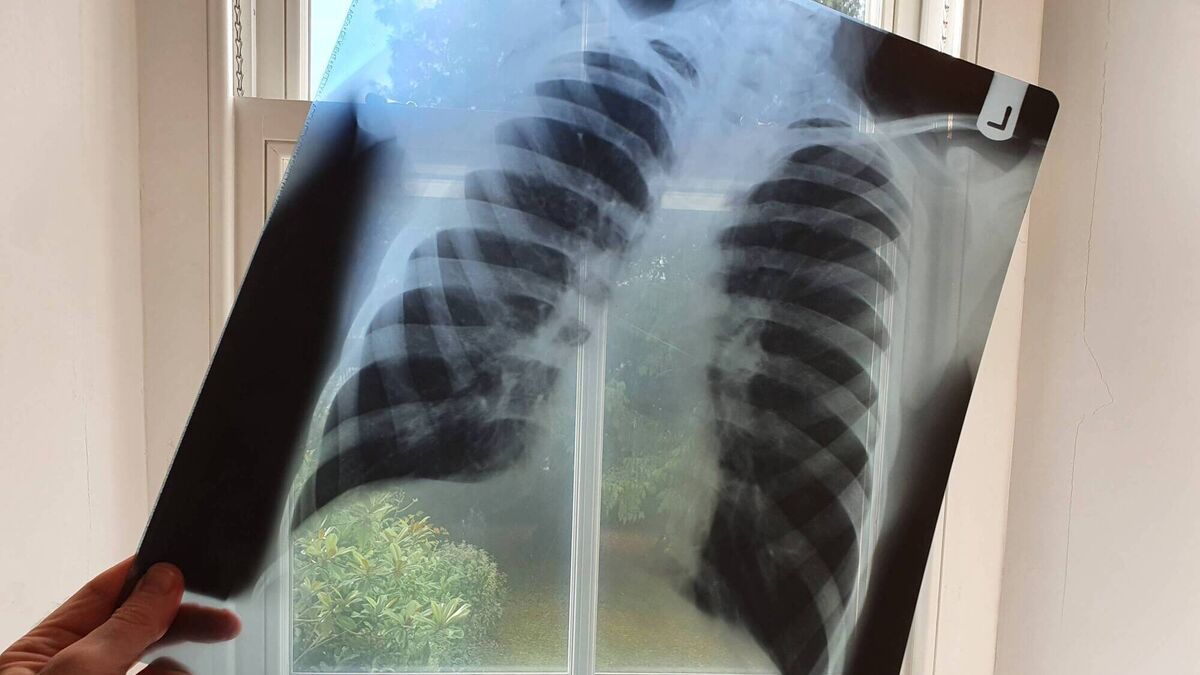
WARNING SIGNs: COPD is the third leading cause of death globally
IT’S a disease that affects an estimated 380,000 people in Ireland, yet more than two-thirds of these have absolutely no idea that they have it. I’m referring to Chronic Obstructive Pulmonary Disease, or COPD, perhaps more well-known to readers as chronic bronchitis or emphysema.
With such high levels of people undiagnosed, it’s probably not surprising that Ireland has such high hospitalisation for the disease, with a rate approximately double that of the UK, according to latest figures.
COPD is associated with progressive airway obstruction and breathlessness in patients. The onset of breathlessness may be gradual and a person might think that they are just growing old.
It is also associated with exacerbations or flare-ups. These are acute deteriorations in the patient’s condition which may require a visit to the GP or even admission to hospital. Obviously, such events can be life-threatening and cause great distress to patients and families.
COPD hospitalisations are more common in winter and, unfortunately, make up a substantial component of what we have come to know as the “winter trolley crisis”. Every year there are approximately 15,000 hospital admissions and, unfortunately, about 1,500 deaths from COPD.
While COPD is a chronic disease that doesn’t go away, early diagnosis means that treatment and support can be offered immediately. It enables a much better quality of life, for longer.
A key risk factor for COPD is smoking, however, about 30% of patients are non-smokers at diagnosis and 10% of patients have never smoked at all. Other factors that are important in developing COPD include genetic factors, infections in childhood, low birth weight and chronic asthma.
COPD can be diagnosed by a spirometry breathing test and is crucial in avoiding confusion with asthma and in determining the appropriate treatment. While relatively simple to do, with the patient blowing into a device, it isn’t as widely available as it should be. Regrettably, this has hindered the proper diagnosis and treatment of patients.
Once a diagnosis is made, the patient is advised to avoid risk factors such as smoke exposure. They will need to get the annual preventative ‘flu shot, a Covid booster shot, and a pneumonia shot is also advised.
Inhalers may also be prescribed. A simple reliever inhaler – the “classic” blue inhaler – may be all that is required from time to time. However, other preventative inhalers may be needed if the disease is more advanced.

Exacerbations are where a cough may get worse and be associated with increasing amounts of phlegm production and breathlessness. An exacerbation can be provoked by infection, airway pollution, and other factors. They are treated with steroids and antibiotics, and a patient may need to take their reliever inhaler which, if in hospital, may be given via a nebuliser. Sometimes a patient may have steroids and antibiotics prescribed to have at home so that they can prevent an exacerbation progressing.
Lifestyle changes are important. Good nutrition is key and patients should avoid being overweight as this puts a greater strain on the respiratory system.
Exercise is vital too. Every patient with COPD should attempt to undertake simple daily exercise. I recommend to my patients that they should walk for at least 30 to 45 minutes a day. The walking should be at a level that makes them breathless but, obviously, not be too strenuous. If the shortness of breath gets stressful, they should rest until they get their breath back.
Increasingly, pulmonary rehabilitation programmes are being offered to patients with COPD by the HSE in both hospitals and in new primary care hubs. These are usually eight-week exercise programmes combined with education classes and are held under the supervision of a physiotherapist.
To mark World COPD Day on Wednesday November 16, a series of expert videos on life with COPD has been developed by COPD Support Ireland, the advocacy group for people with COPD in Ireland. The videos cover topics such as what is COPD, types of treatments, managing breathlessness, using oxygen, coping with flare-ups, making the most of exercise, going abroad, and accessing supports.
Other educational resources to support people with COPD, including the COPD & Me information booklet, and the Exercise at Home poster, are also available.
There is also a network of local COPD support groups nationwide which hold regular meetings and exercise classes. Full information can be found at www.copd.ie.
Finally, early diagnosis is key, so don’t forget the “ABC” of COPD. A is for Age, B is for Breathlessness and C is for Cough. If you are over 35 years of age, have ongoing breathlessness, and a cough that won’t go away, then I would encourage you to visit your GP and ask for that spirometry breathing test.
It could make all the difference for a life lived to the full.




 App?


