Tragedy on an epic scale: can you help save the people of Somalia?
Her visit in 1992 brought worldwide attention to the famine and also caught the attention of my 12-year-old self. I noticed because she got upset on the news.
If this ordinarily composed President was moved to tears by what she saw in Somalia, then it must be serious.
That famine was caused not by crop failures but by a civil war that weaponised food production and food aid. Around 300,000 people died.
In 2011, the country faced famine again with 200,000 dying, and now, another decade later, Somalis are facing starvation due to the double threat of drought and political violence. There has been no rain for two years. Crops have been destroyed and livestock decimated.
Two million Somalis are already internally displaced by conflict and previous droughts and a further one million are in search of relief from hunger. The catastrophic drought at the Horn of Africa is one of the biggest crises in the world today.
Normally, in functioning societies, there are lines of defence against mass starvation - local, national, or international help kicks in - but in Somalia these first two defence lines are broken, and international Non Governmental Organisations (NGOs) are issuing massive appeals for funds to avert further deaths.
Last week, UNICEF Ireland hosted an online event from Doolow, Somalia, with Donncha O’Callaghan who has been a UNICEF Ambassador for more than ten years. UNICEF is the biggest humanitarian organisation for children in the world.
O’Callaghan was there to bear witness to what is happening in the Somali camps and draw attention to the plight of 1.8 million people in need of assistance, and the estimated 350,000 who will die if from severe acute malnutrition if they don’t receive medical assistance.
The numbers of people involved, the tents in the camps stretching as far as the eye can see, and the scale of the problem almost left him speechless.
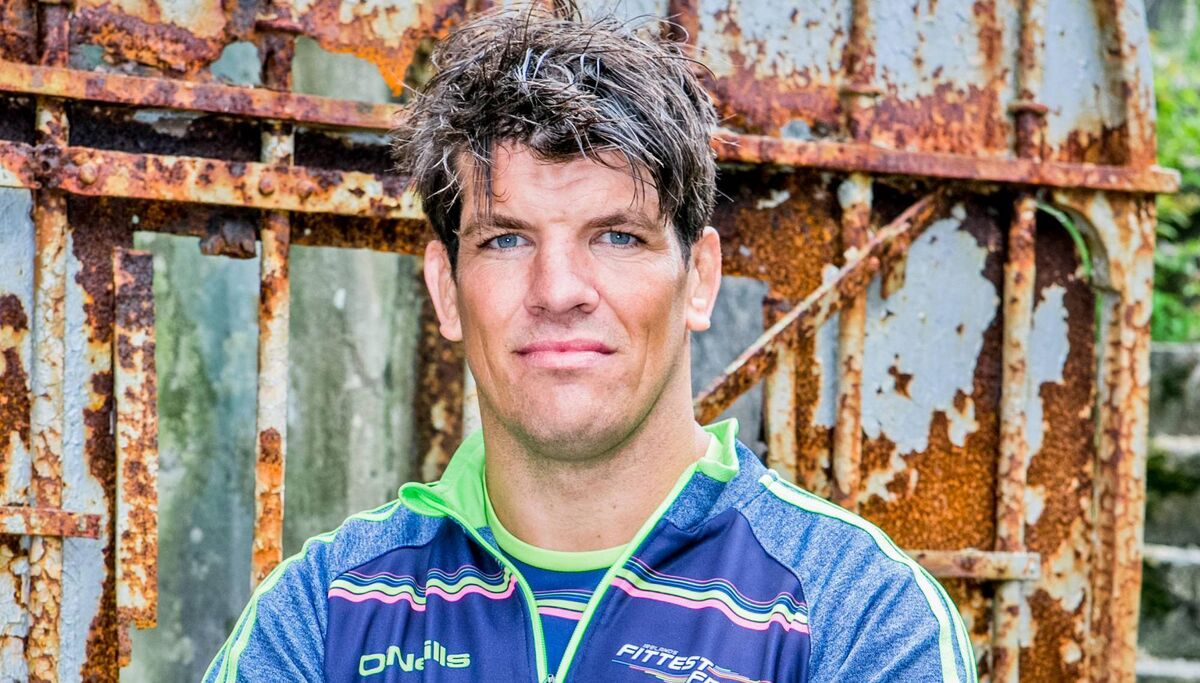
O’Callaghan and UNICEF’s Victor Chinyama spoke about how mothers and children are arriving at camps severely malnourished, having walked for tens or hundreds of kilometres with nothing but the clothes on their back.
Many don’t survive the journey and they spoke about the desperate sight of seeing a young mother sitting beside the graves of two of her children she had to bury when she arrived at the camp.
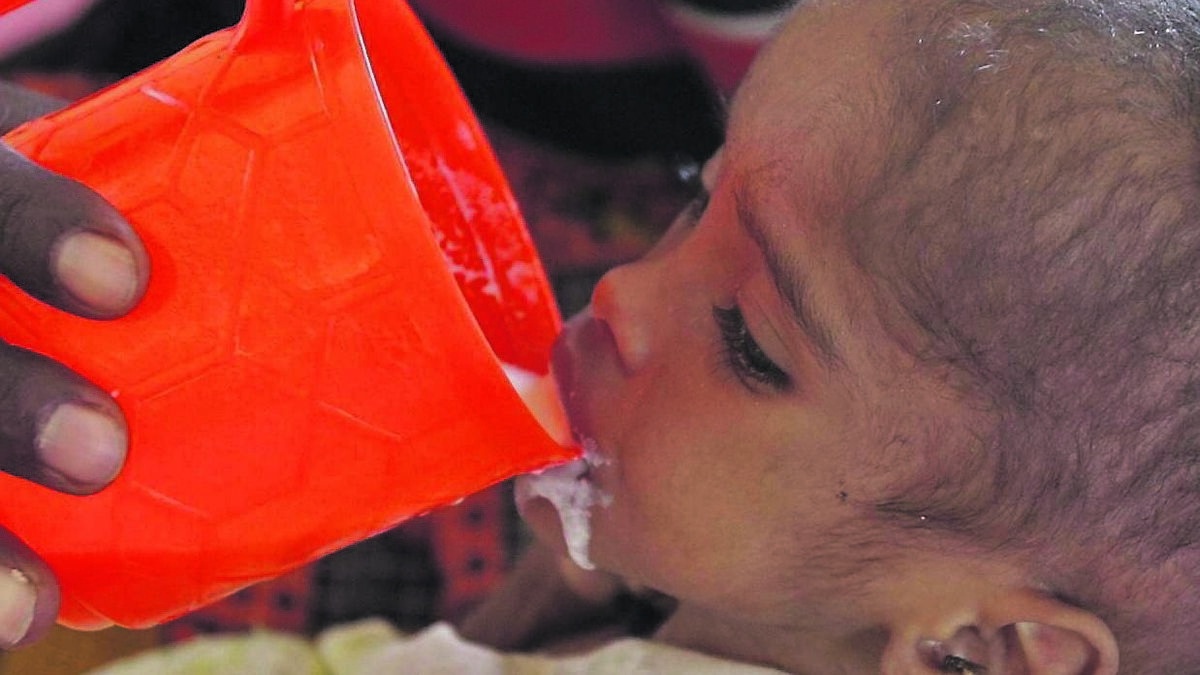
Those who do receive medical attention in time and life-saving fortified peanut paste can recover, but there is serious concern for the people who can’t get to a camp.
There is no government help or support reaching these people, so UNICEF are trying to send teams to save people who can’t make it to a humanitarian camp.
However, there are large areas of the country not under government control making it difficult for NGOs to get into those areas. Meanwhile, every minute of every day a child falls into severe acute malnutrition.
O’Callaghan was clearly moved by the realities of starvation; how the face and limbs of children can swell as the body ceases to function due to lack of essential nutrients, or how the normal grip reflex of a young baby is absent when weakened and severely malnourished. He said it was really tough to see first hand and see it at scale.
The only good news is this desperate story is how cheap sachets of peanut paste and access to clean and safe water can get a child’s life back. Supplying water in a drought affected region is difficult, but essential to prevent other life-threatening diseases like cholera.
Addressing the psychosocial supports that children need is core work of UNICEF too. Children have lost everything - their brothers and sisters, their homes and their possessions - they need huge support.
Life at these humanitarian camps is about basic survival, but it is not normal for a child to wake up and have nothing to look forward to or nothing to do, which is why UNICEF have created safe spaces in the camps where kids can play football, make friends and have fun - so important for their psychological welfare. Providing education in the middle of an emergency is a core mandate of UNICEF, education is these children’s hope for a better future.
Since my early introduction to Somalia through Mary Robinson’s eyes in 1992, I’ve always been interested in the country and how someone could recover from such tragedy.
Through documentary work, I’ve filmed with a few Somalis over the years, and they have been gracious and kind.
The continued plight of Somalia is heart-breaking. Times are tough, but if you can afford to, UNICEF Ireland will use your donations to save lives.
In 2022, no-one should be dying from hunger.







 App?
App?


