A hen weekend with my tribe made me count my blessings
A good friend of mine who lives in Dublin is getting married soon and decided to have her hen party in Cork. I was delighted!
Rather than pine for a weekend away in another cosmopolitan city or picturesque town in Ireland, I was thrilled at the prospect of a holiday in my home town, and sleeping in a hotel a mere 15 minute walk from my house.
I then realised that all my recent holidays have been within the county bounds - Youghal, Courtmacsherry, Bere Island. I think I have become fully institutionalised by the People’s Republic of Cork and, bar getting the train to Dublin for occasional work meetings, I’m rarely tempted to leave.
Thirty-nine is an enormous number of women to corral for a weekend, but it demonstrated the deep love and popularity for the bride-to-be and how two pandemic years creates a yearning for fun with friends.
The weather was glorious so Cork was looking particularly shiny and was full of happy people. Dinner and drinks at Electric were made special by the uber friendly barman Dan, and the staff at The River Lee hotel went above and beyond to welcome our gaggle of women.
Throw in some samba at the Marina Market and the hen party were convinced they had found themselves on a continental European city break.
Throughout the weekend and all the conversations and laughter, I was struck by how many of the bride-to-be’s friends were made through education. She had her gang of girls from secondary school, her pals from her early college years, a friend from studying a masters and a yoga teacher training course.
It made me realise that an educational institution is much more than a place to acquire new knowledge, it’s a place to acquire new friends and forge connections that will last a lifetime.
I have known the bride-to-be since 1997. We met in college and have been friends through all the highs and lows that come with making your way in the world as an adult.
Sitting next to her in a lecture in college, my friend wasn’t afraid to ask a question when none of the rest of us were brave enough to admit we didn’t have a clue what the lecturer was saying.
I learned to be comfortable in my ignorance and to ask lots of questions from her.
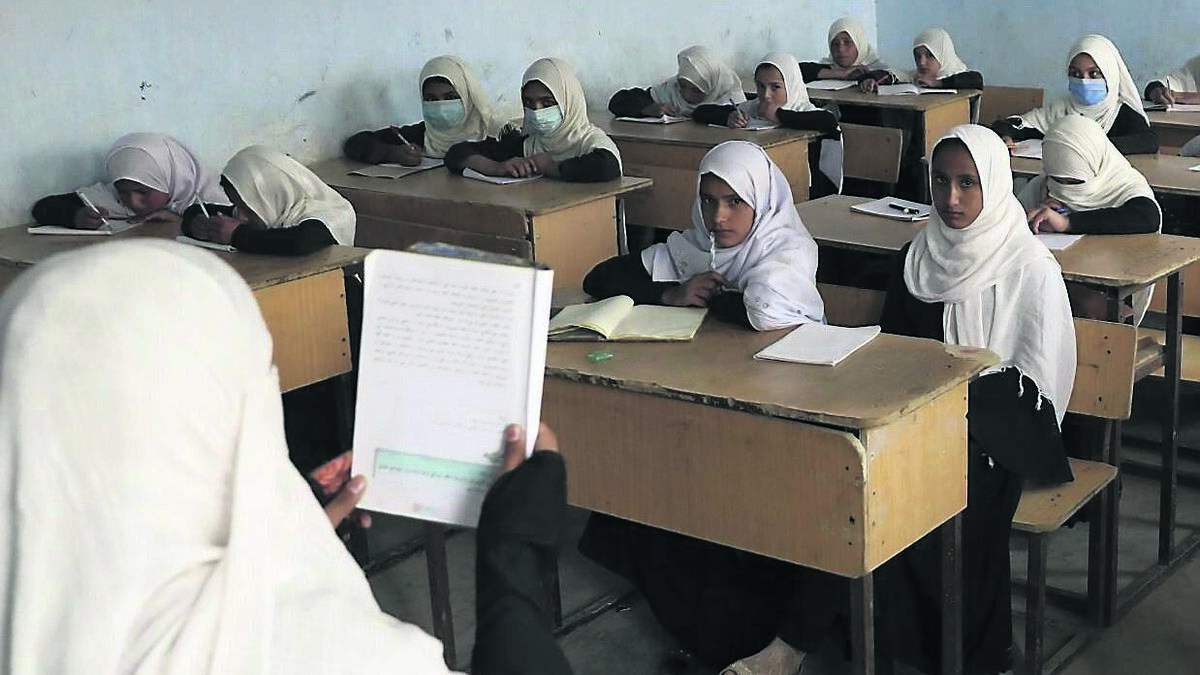
I was enjoying the female camaraderie of the weekend with the recent news that the Taliban have officially halted the education of girls in Afghanistan playing in the back of my mind.
I had just listened to The Daily podcast by the New York Times, interviewing girls in Afghanistan whose lives have been interrupted by the Taliban, and my weekend of fun and friendship couldn’t have been in greater contrast to the stories from women and girls in Afghanistan.
It’s been three months since the Taliban forbade girls from going to school and college. An 18-year-old girl who was studying to be an engineer and had ambitions of founding Afghanistan’s first recycling facility is now spending her day at home doing nothing. Chores like cooking and washing the dishes fill her day.
A whole generation of women who had full lives, were studying hard and had ambitions to be teachers, doctors and artists, are all just sitting at home, hopeless. One girl asked: “How can we continue our life?”
Not only are these girls missing their intellectual education, they are missing the important social connections and friendships that will sustain them as they grow into their twenties, thirties and beyond.
Humans are social creatures and we need connection to sustain us and make meaning in our lives. By shutting girls out of schools and colleges, the Taliban are crushing the intellectual, emotional and social spirits of half the population of the country.
The late poet Eavan Boland wrote the poem Our future will become the past of other women to mark the centenary of Irish women’s right to vote in 1918. It is a poem about how our foremothers fought for the rights that we enjoy today.
There is room for improvement when it comes to gender equality, but so many Irish women are privileged to enjoy the educational, social and economic freedoms that could scarcely have been dreamed about by Irish women 100 years ago, and which have been so cruelly crushed by the Taliban for women today in Afghanistan.
“Your future is not the same as your past,” said one Afghani woman.

In contrast to what is happening in Afghanistan, other students around the world are using the importance of their right to education by striking from school to protest at the lack of action on the climate crisis by governments.
Back in 2018, Greta Thunberg started sacrificing her school education and striking outside the Swedish parliament to highlight the urgent need for climate action.
The environmental youth-led movement Fridays for Future grew out of Thunberg’s school strikes and last Friday the Cork branch of the movement took part in another global strike.
No doubt the pandemic and Ukraine have pushed climate action down the public agenda again, but the number of protesters have diminished considerably since the first global strike event in Cork in March, 2019.
I hope school strikers can continue to see the value of their protests and recognise that school is not just about learning what’s in the books, but also learning to find your tribe and your way in the world.




 App?
App?


