Premier League: Much more than titles will be lost from City scandal
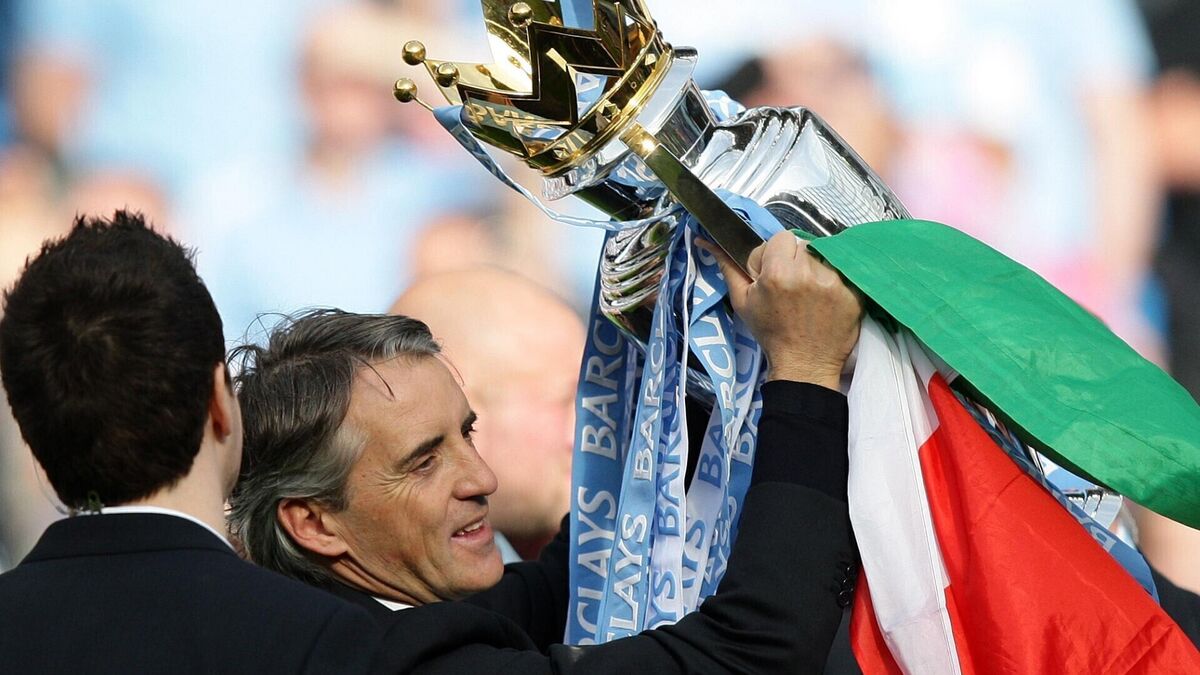
Manchester City boss Roberto Mancini lifting the 2012 trophy insists his old club’s Premier League financial charges are “not my concern”. Picture: Dave Thompson/PA Wire
The long delay for the verdict seems to make sense now, as the revelation that Manchester City were found culpable on most of the 115 allegations of financial doping against them. Rocking the club and the Premier League to the core.
While the world of football waited in frustration all these years for a decision on alleged infractions made between 2009 and 2018. It seems the Premier League and investigating bodies used the time to secure their footing on the veracity of the claims as it will have deep and long-lasting side-effects (pending the expected City appeals).
The Premier League found that City funnelled £900m in sham funds illegally into the club , giving them an unprecedented advantage over the rest of the league. How the punishment plays out is the next big issue after appeals.
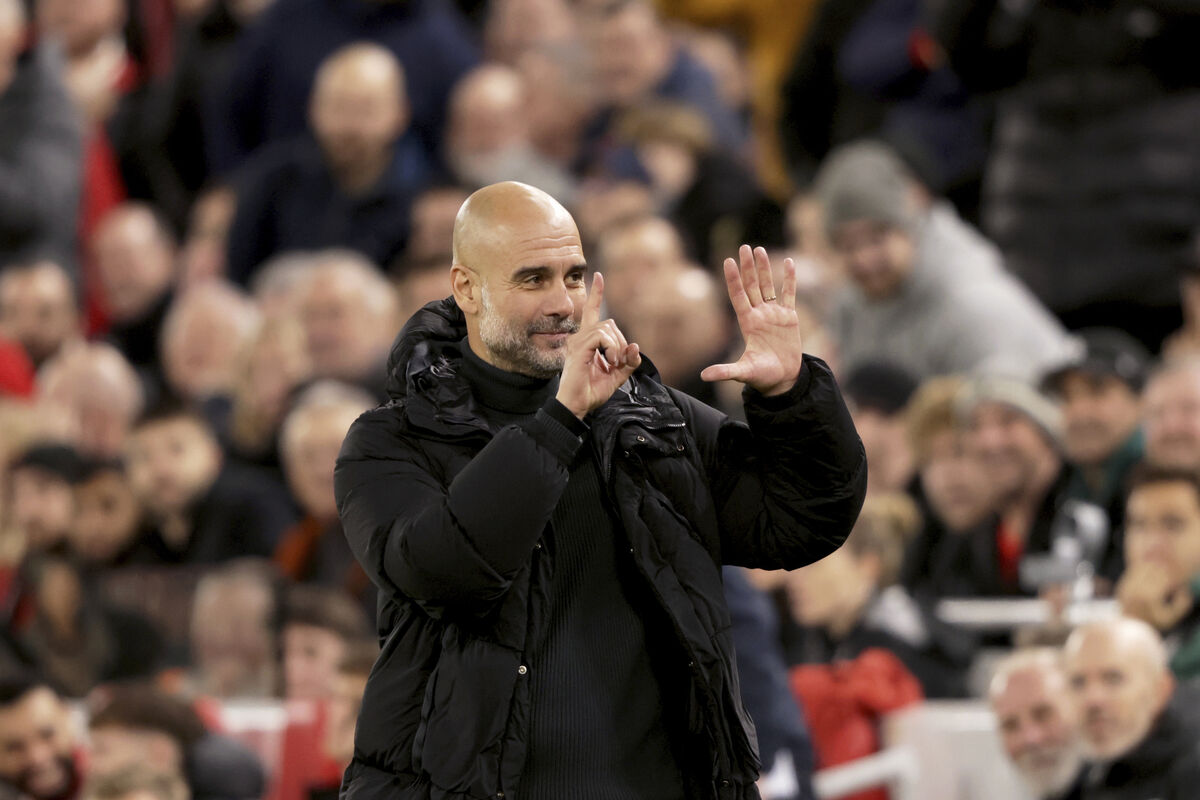
The first question to arise among football fans, should City be found guilty, is what happens to all the titles City won? Do they automatically go to the teams who finished second? Are they wiped from the record books? Or do they remain City's, perhaps forever accompanied by an asterisk?
There is precedent in Europe for stripping a club of titles. Juventus lost two Serie A championships following the Calciopoli scandal. Their 2004-05 title was left unassigned, while the 2005-06 championship was awarded to Inter Milan.
But the City situation could be far more complicated. The allegations concern the years 2009 to 2018. So, if titles were to be removed, would it only apply to those won during that period?
Or could rivals argue that City's later success was built upon the revenue, prestige and commercial power accumulated during those years? Pull at that thread and where does it end?
What about the Champions League? The FA Cup? The League Cup?
And if the football authorities strip trophies, will it create more problems than it solves, as another enormous question appears.
This could open a Pandora's box.
Lost prize money for clubs finishing immediately below City might be relatively straightforward to calculate. But what about clubs that missed out on Europe?
Does a side that narrowly missed Champions League qualification have a claim for the revenue it might have earned?
What about relegated clubs? Could they argue that points lost against City ultimately helped send them down? And how do you put a price on what staying in the Premier League might have been worth?
The potential claims could stretch far beyond prize money.
Clubs could point to lost European income, sponsorship, transfer opportunities and commercial growth. Players could argue they missed bonuses, medals and career opportunities.
It could amount to billions of pounds and almost definitely mean the end of Man City.
Then it becomes even murkier.

Managers have careers defined by league positions and trophies.
Jose Mourinho finished second to City with Manchester United. Ole Gunnar Solskjaer’s United also finished runners-up to City.
If City’s appeals fail and they are found to have obtained an unfair advantage, could former managers argue that the course of their careers were affected? And how could anyone possibly put a figure on that?
That is why expulsion or a major points deduction appears, on the face of it, a much more practical punishment than trying to retrospectively reconstruct years of English football.
But even relegation creates problems.
Expelling City from the Premier League or placing them elsewhere in the pyramid could affect promotion and relegation places for clubs that had absolutely nothing to do with the case.
What needs addressing beyond the fines, point deductions, and titles redacted, is that the current ownership at Man City needs to be totally removed and new owners installed.
Even then, what’s the relief for the people who rarely get mentioned when football disappears into legal arguments.
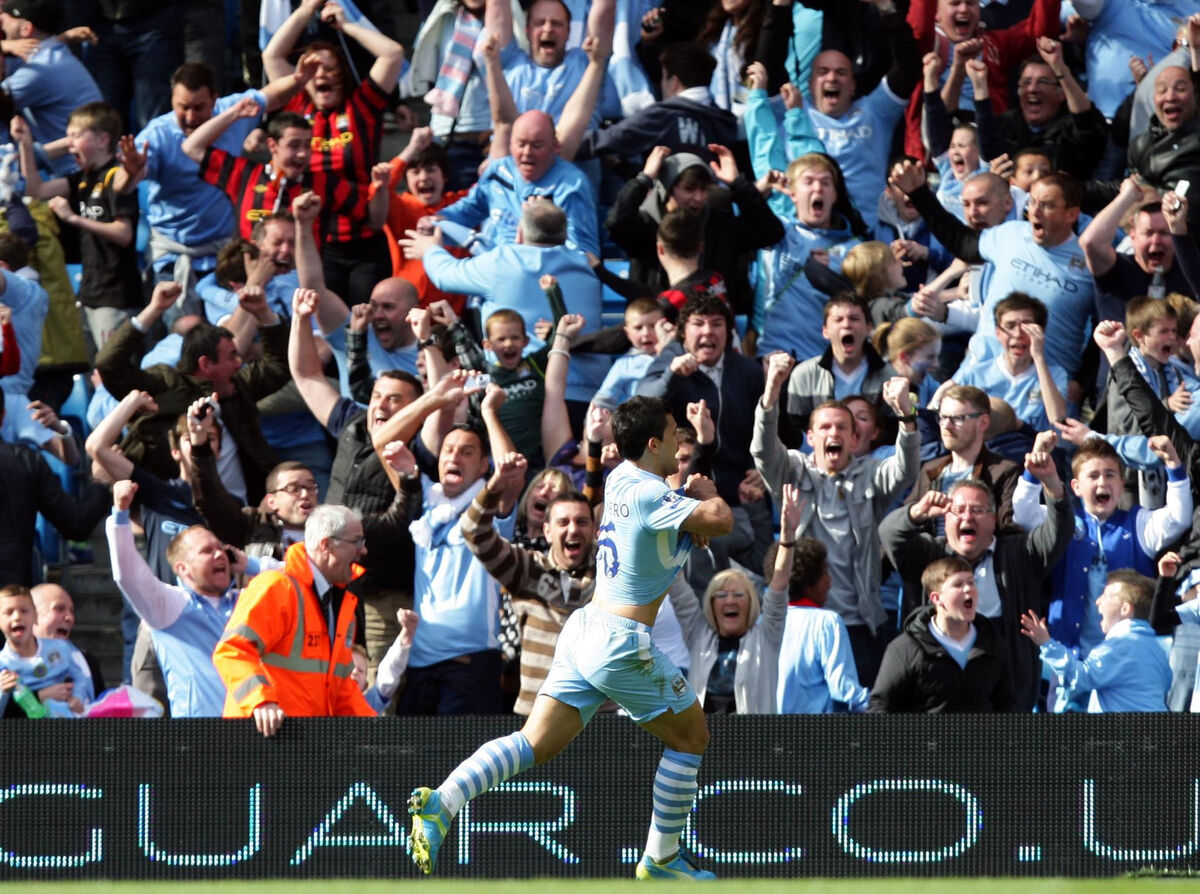
If serious wrongdoing is ultimately established, perhaps the greatest sense of betrayal will be felt by supporters, City's included.
Think back to one of the defining moments in Premier League history.
The “Aguerooooo!” goal in 2012, where City snatched the title in the final seconds of the season, was a moment of pure sporting theatre, joy, and elation for City fans, indeed for all football fans, outside of Man United. It became part of football folklore. We are now expected to believe this never should have happened.
That is where this goes beyond money.
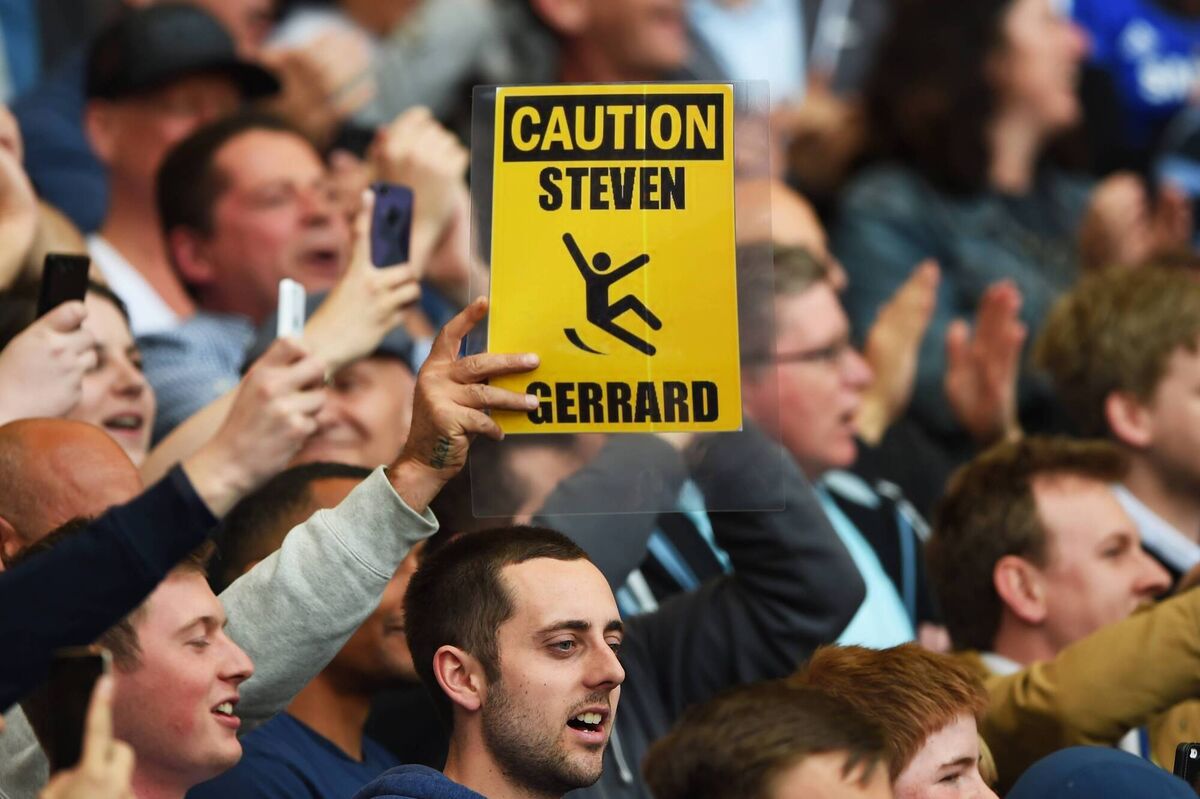
As a Liverpool fan, I think of Brendan Rodgers, whose career path may have been dramatically changed if he won in in 2013-14. Liverpool finished two points behind City, in a season forever remembered for Steven Gerrard's slip. Gerrard retired known as probably the best players never to win a Premier League winner's medal. A burden he carries to this day.
Then think of Jurgen Klopp.
His Liverpool side finished second to City twice, including once with remarkable 97 points and again with 92. Only losing to City.
Klopp unquestionably left his mark on English football. But how might his legacy have been viewed had Liverpool finished his reign with three Premier League titles rather than one? He world be known among 'the great.' And what compensation could possibly pay for that?
You can return prize money. You can deduct points. You cannot recreate memories.
And perhaps that is the most damaging consequence of all.
Football only really works because supporters believe what they are watching is real. That the table is honest. That victory and defeat happen on the pitch.
Once that belief disappears, something far more valuable than a trophy disappears with it.









 App?
App?


