Cork GAA: Art of the dual player alive and well in club championships
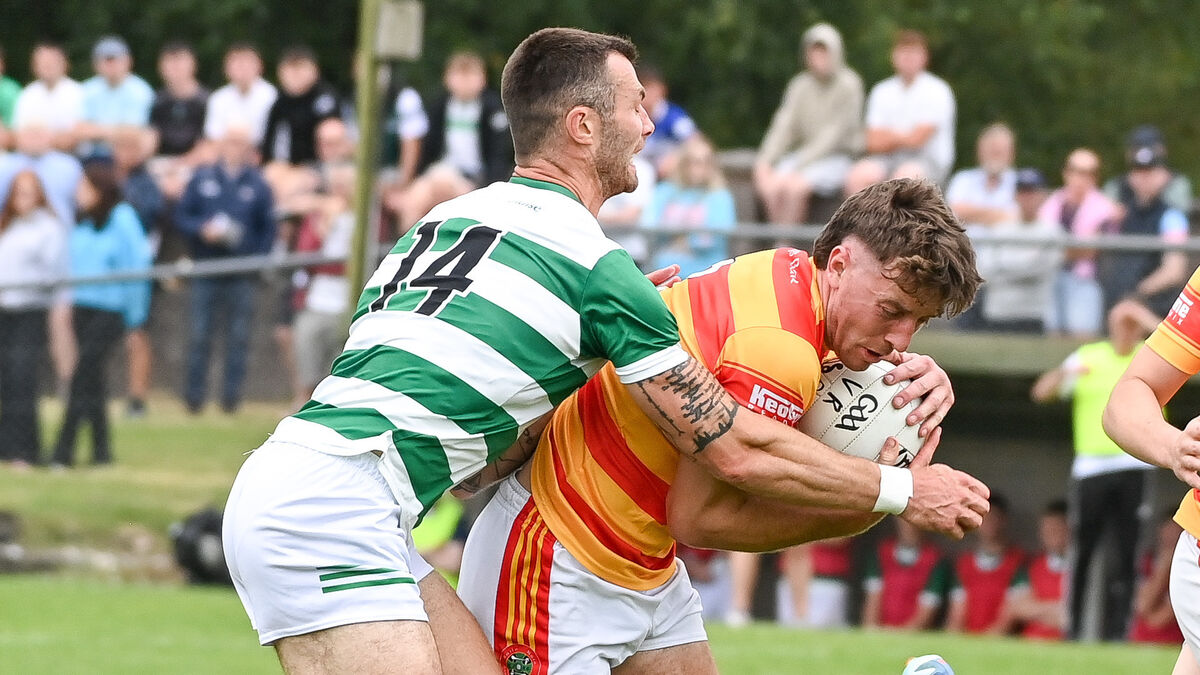
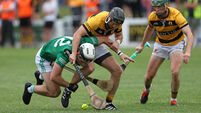
Newcestown's Colm O'Donovan keeps possession under pressure from Valley Rovers' Fiachra Lynch, during their Premier SFC clash at Kilmurry last year. Picture: David Keane.
While there are still plenty of hurlers and footballers as competent in one code as they are in the other, players who truly specialise in both have become far less common in the modern game.
It is by no means down to a lack of ability, but rather, that the demands placed on the modern Gaelic games player have reached a level so strenuous that it’s hard enough to excel at one, let alone both.
And while that certainly rings true for intercounty – as it has done now for a while – there is still enough room for the ancient art of the dual coder to thrive at club level, even in the senior grades.
Newcestown are the example most cited when it comes to clubs with players who successfully manage both in Cork (and for good reason). Their balancing of the lever with such a small pick of players is a remarkable feat considering they operate at premier senior in both.
Eight men for the Carbery club have played all available championship minutes across the four games. They are: James Kelleher, Micheál McSweeney, Colm O’Donovan, Eoghan Collins, Gearóid O’Donovan, Richard O’Sullivan, Seán O’Donovan and David Buckley. Two more are within six minutes of having featured in every available Premier Senior second.
Read More
Luke Meade has played 253 between the codes and Jack Meade has managed 246. Twelve players overall have featured in all four games in some capacity.
With the level of in-depth coverage surrounding the top three grades of club championship games in Cork, we are able to work out that 85% of Newcestown’s hurling minutes played came through dual seniors, while duals accounted for 82% of their football minutes.
It is pretty remarkable, but it’s not even the highest. Kanturk, operating at Premier Senior in hurling and Senior A in football have their duals account for a whopping 92% of the club’s hurling minutes and 89% of their football minutes. It is therefore fitting that across two games in both codes, their scoring difference stands at +11 in both group tables.
The one significant outlier of the dual-code clubs to have such little crossover is city side Douglas. Such is the scale of their pick at Premier Senior in both codes, there have been only two starters across both hurling and football, the Kingstons, Conor and Shane.
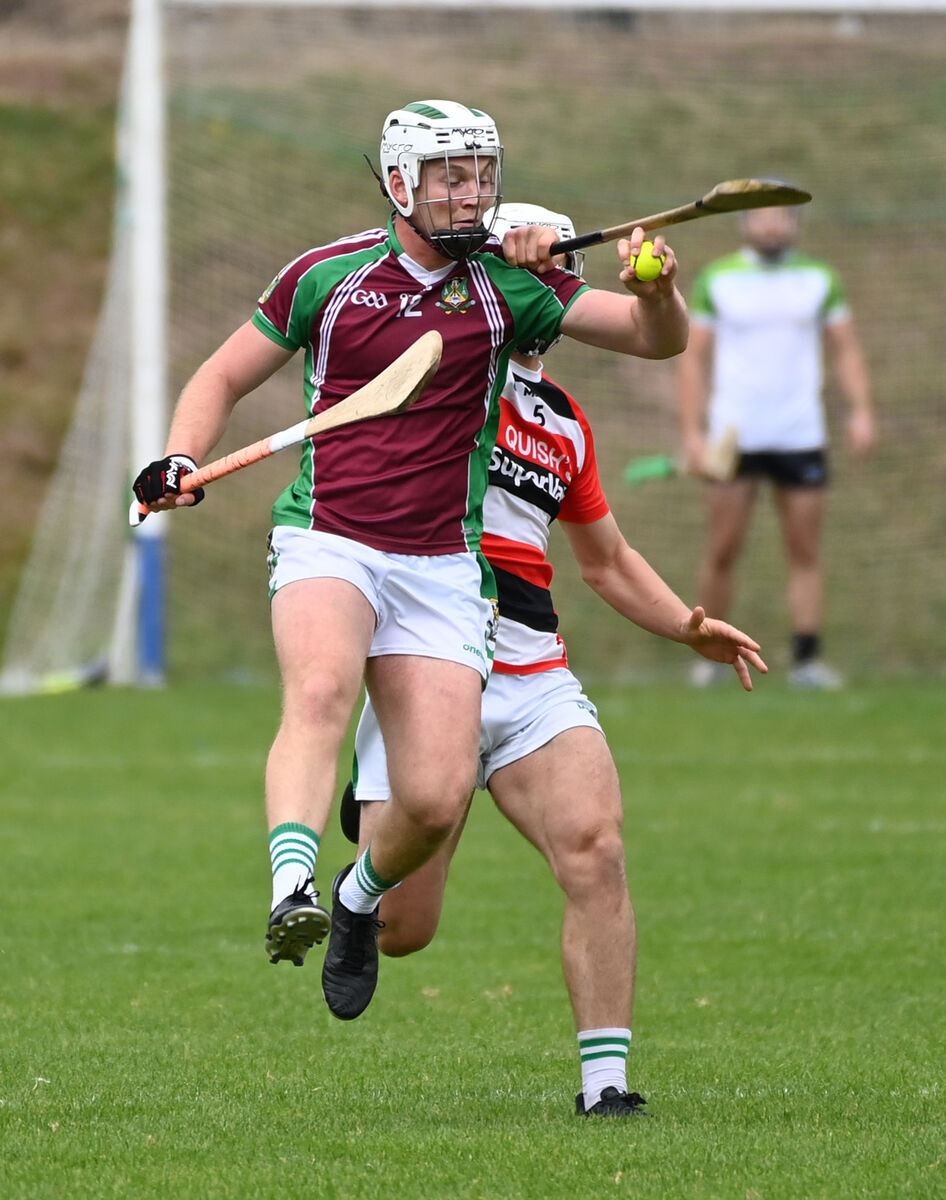
The other two clubs to par with Kanturk and Newcestown are Aghabullogue, and the flying Valley Rovers. Aghabullogue have four men – Tom Long, Paul Ring, Colm Gillespie and John Corkery – that have played all available 258 minutes, while Pauric O’Sullivan (249) and Shane Tarrant (241) are not far behind.
Ted McGrath, William Hurley and Eoin Guinane are the three Valleys men to play every second, with the latter also having played the entirety of UCC’s Divisions/Colleges section defeat to Imokilly. Chris O’Leary is only a few minutes shy of joining the other three on every minute played, having departed after 59 against Newcestown on Saturday, August 15, but he would be in action again the very next Thursday.
But, as for individual player case studies, Fermoy man Ben Twomey presents the most fascinating. He’s scored 4-8 in four games as a forward for divisional outfit Avondhu, and played every minute bar the Round 2 win over Beara, when he was subbed off in the 58th minute.
He’s also Fermoy’s top-scorer from play in football, and their second-highest scorer from play in hurling, with a combined 1-13 between the codes. Twomey has played almost 500 championship minutes the season, albeit divisional outings included.
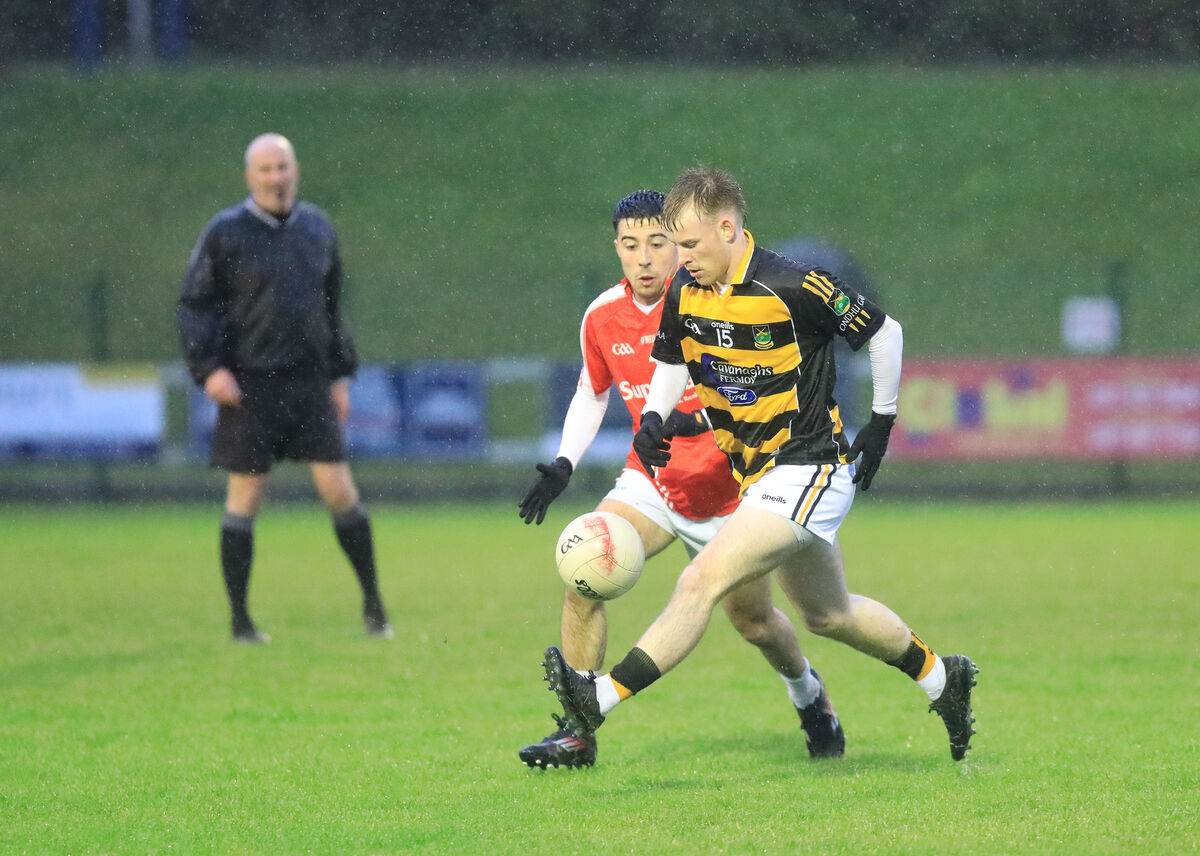
What tends to draw the most awe around clubs balancing such a considerable number of dual players, is the often tight turnaround sides like Newcestown or Valley Rovers face between games. Where a Midleton, Blackrock, Castlehaven or Nemo Rangers get an extra week – notwithstanding a few exceptions – sides like Kanturk or Aghabullogue don’t have that luxury.
Some have enjoyed a better spread than others. Kanturk's four championship games were run off across a 29 day period, while Newcestown's and Fermoy's were across 28, and Éire Óg's spread through 37 after the initial postponement of their game with Clyda Rovers.






 App?
App?


