The games of summer in stark contrast to sport's ownership
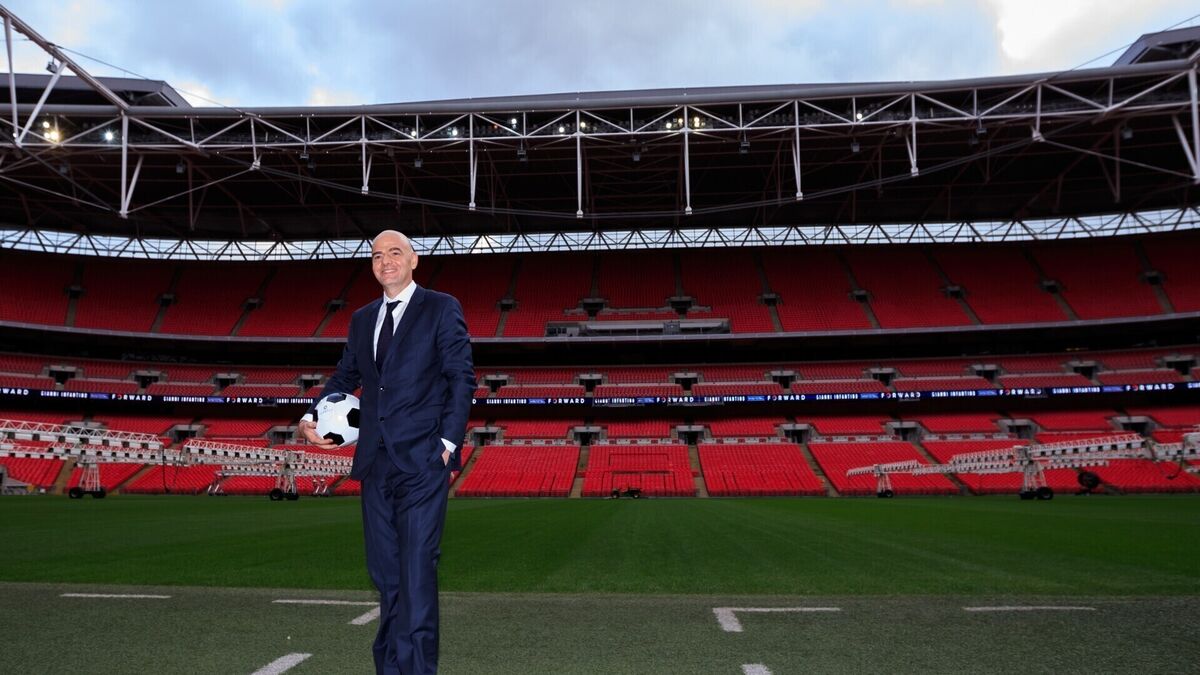
FIFA president Gianni Infantino at Wembley Stadium. Picture: John Walton/PA Wire.
This summer will live long in the memory of sports fans but in particular devotees of sport in Ireland. Any summer with a World Cup stands as a life landmark for many, that the summer also included a once thought impossible Mayo All-Ireland Gaelic football final triumph will endear the season evermore for most.
The standards were high in both these codes of football and the majority of people, outside Kerry and Argentina, will be happy that the best sides came out on top.
Yet despite the right winners emerging, there is little similarity between these two great sporting spectacles. Nothing highlighted that contrast more starkly than the controversy surrounding FIFA president Gianni Infantino's attempt to sell a stake in the very game he is supposed to represent.
The proposal, known as the FIFA Forward Enterprise (FFE) scheme and overseen by JP Morgan, would have seen Thrive Capital, the investment firm run by Joshua Kushner, brother of Jared Kushner (president Trump’s son-in-la), as lead backer. The deal was reportedly worth around $20 billion and would effectively have sold off a portion of the World Cup.
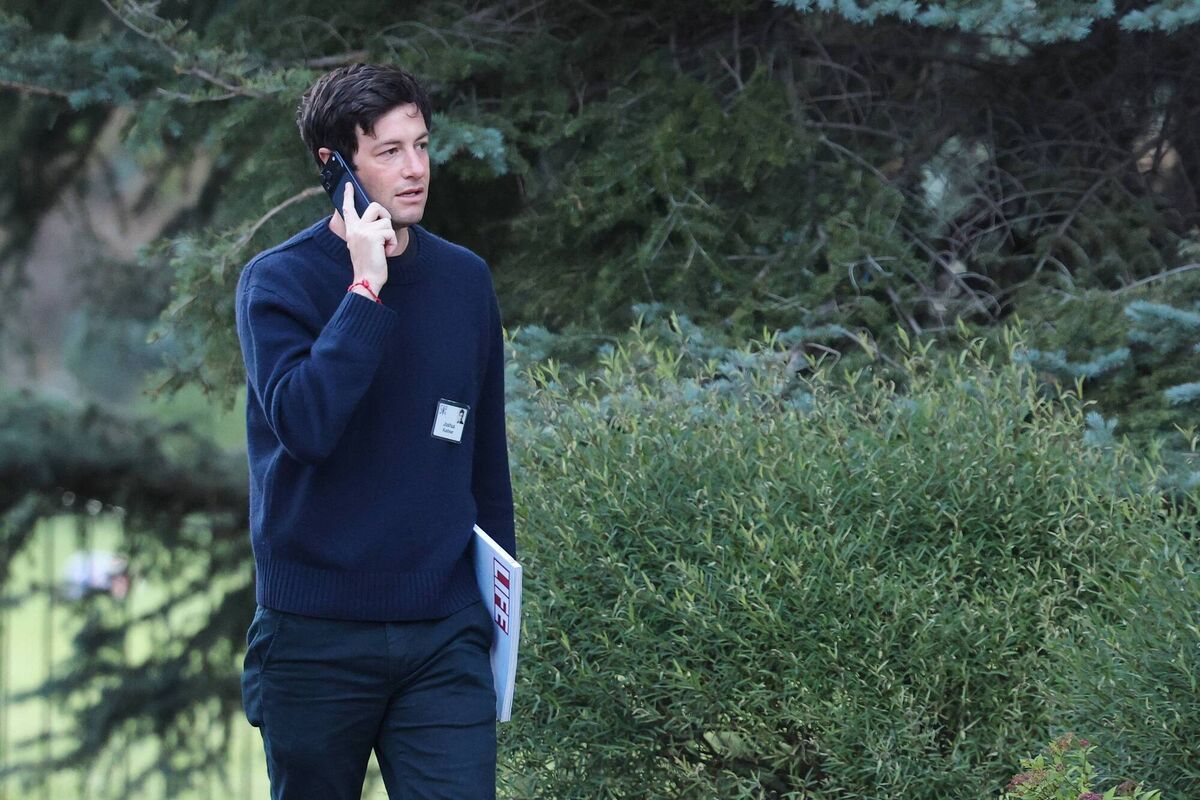
Infantino had proposed the scheme as a way of generating finance for Fifa’s worldwide project to promote the sport far and wide. But it’s rushed proposal and his need for a rushed acceptance by the continental governing bodies of world football immediately had red flags flying, especially considering the recent controversial actions and statements made by Infantino prior, during, and after the World Cup.
Acceptance of the FFE scheme is now dead in the water after Uefa, Europe’s football governing body and the world’s largest continental conference within Fifa, withdrew any support for the scheme. And Uefa is now actively campaigning against the renewing of Infantino’s Fifa presidency, which is coming up next year. Uefa, who are no strangers to controversy themselves, still saw this hustle as a step too far, rightly pointing out that, "None of us are the owners of football: it is not Fifa's to sell."
And therein lies the fundamental difference between global football and Ireland's native games.
Everyone involved in Gaelic football, hurling and camogie knows exactly who owns the games. Not administrators. Not sponsors. Not investors. It's the players, the supporters and the communities where the games live and thrive.
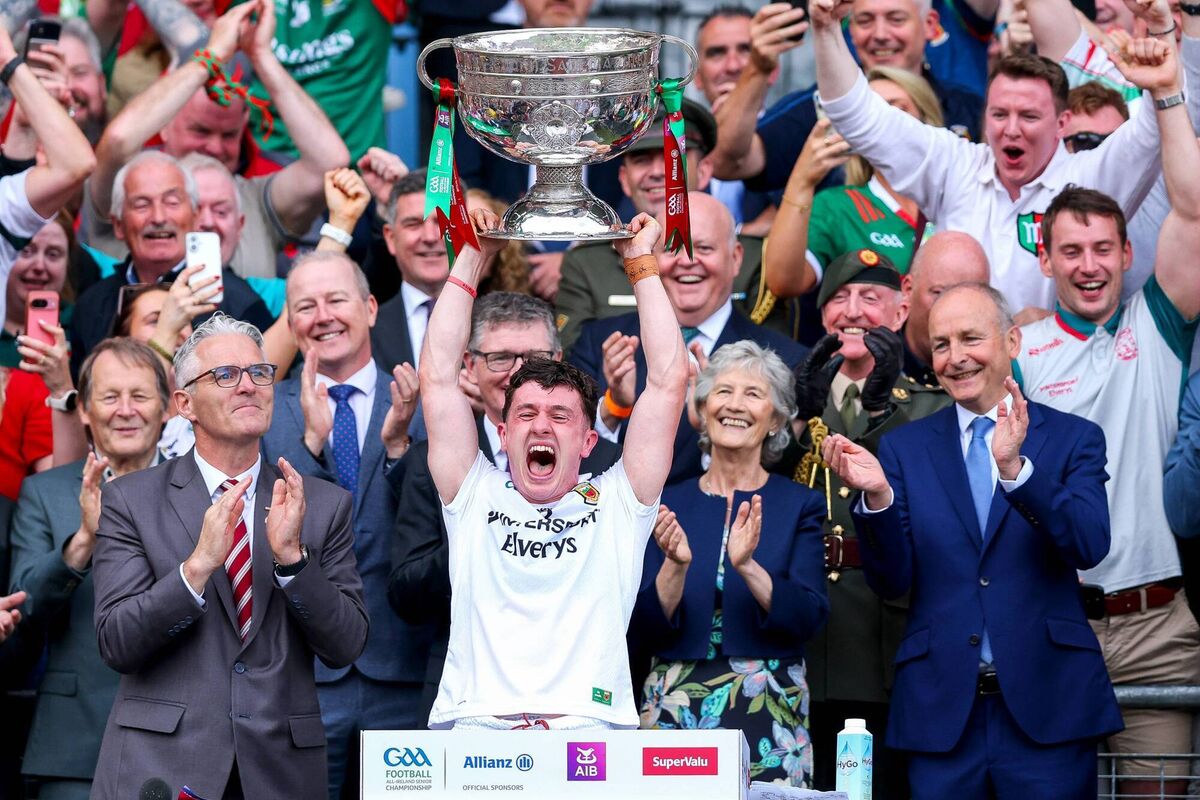
At the All-Ireland final presentation, administrators wisely took centre stage only briefly. GAA president Jarlath Burns eloquently captured the significance of what we had witnessed before handing Sam Maguire to Mayo captain Jack Coyne.
With that, the officials stepped aside.
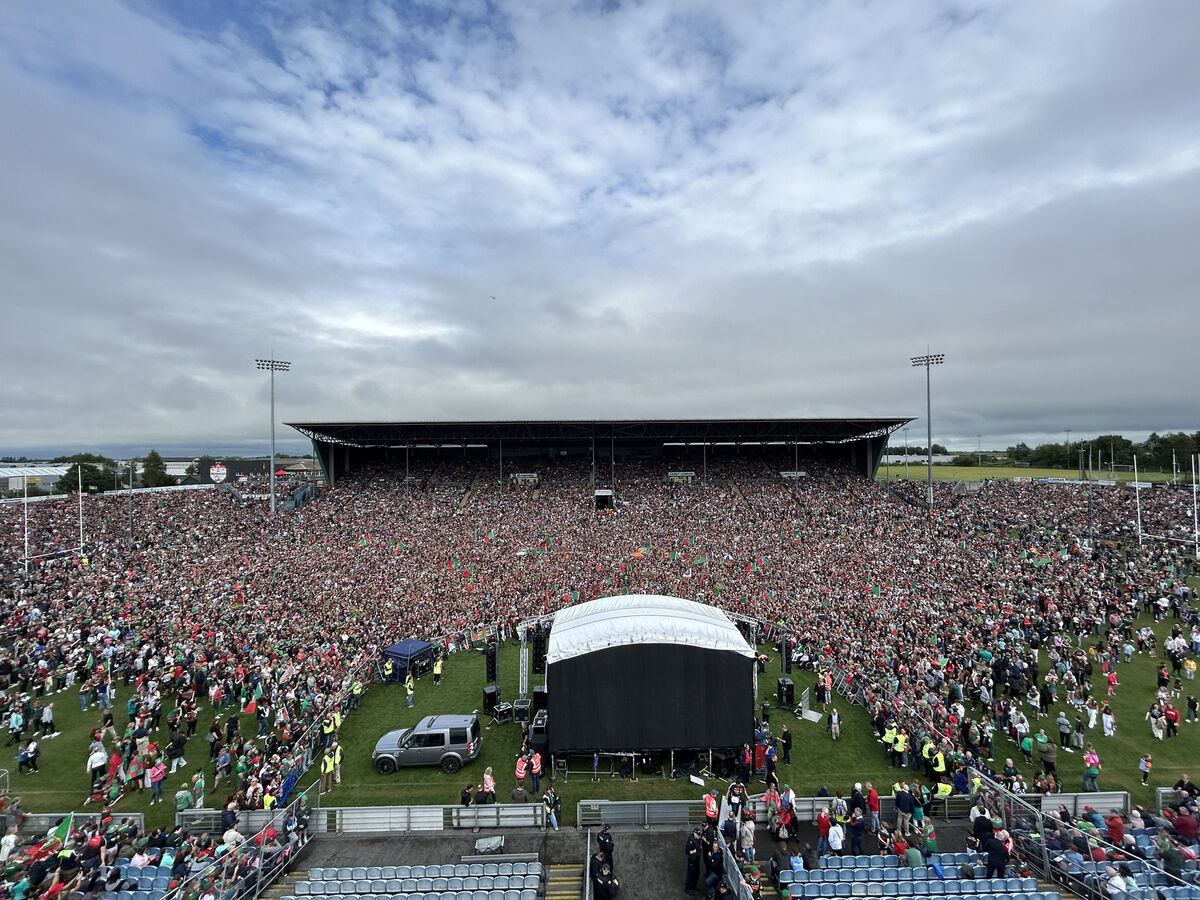
The real owners of the game, the players and supporters, took over.
Coyne's speech was expansive, emotional and heartfelt. After all, there had been a 75-year wait for a Mayo captain to make that speech. There were people to thank, sacrifices to acknowledge and generations to remember. Yet the loudest cheer of all was reserved for the people who had endured every setback along the way, the long-suffering Mayo supporters, now in tears before him.
What other sport in the world allows the team captain the free rein to speak at length directly to the crowds, while the politicians of the nation and the association take a step back?
And with that, the Mayo team joined the fans, crossed the Shannon, and returned to the west triumphant. For the next 12 months, Sam Maguire and the title belong to the people of Mayo, and the association will have little to do with it until sometime in April when they might ask for the trophy back for a picture-shoot promoting the 2027 championship.
That is not to say the GAA is without flaws. Its history is littered with poor decisions, controversies and missed opportunities. Many still take issue with aspects of its governance and the conservative instincts that can often shape debate within the organisation.
But whatever your opinion of the GAA, nobody can seriously question who owns the games or who ultimately drives them.
There are egos and ambitions, of course. This is the real world. But nobody could even imagine the GAA putting a slice of Gaelic games on the open market in order to "generate more revenue". The very suggestion sounds absurd because everybody understands a simple truth: the GAA does not own the games. It merely looks after them.
It’s not theirs to sell.
The size, scale, and riches of Fifa have clouded the judgement of Infantino, but even he has been given a lesson that all sports belong to the people. Soccer had forgotten that fact, in large part because of the money sloshing around its professional halls. Billionaire owners of clubs demand bigger more lucrative tournaments, super-leagues without financial risk but only gains to those held by a few, all the while the beleaguered fans pay higher and higher ticket prices.
Against that backdrop, the idea of selling off part of the game itself began to seem like a logical next step.
It should never have reached that point.
The beautiful game has never looked so ugly, just as the Gaelic games and Mayo celebrations never looked so fair.









 App?
App?


