World Cup: The good guys came out on top in the end
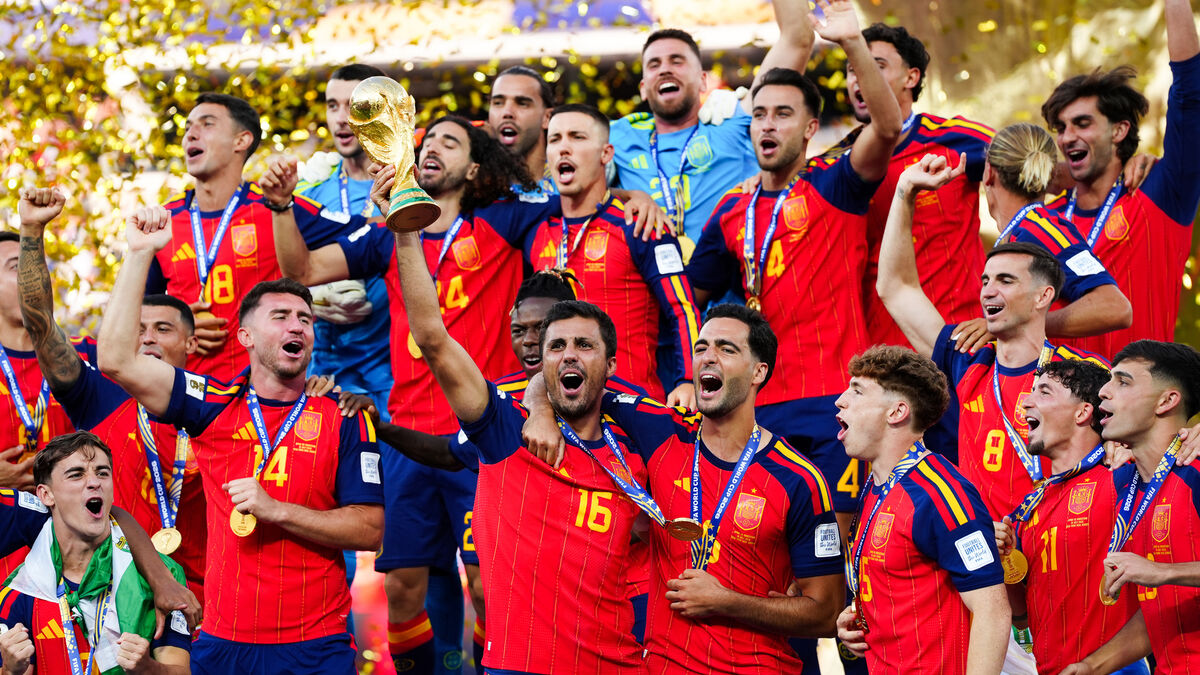
Spanish captain Rodri lifts the FIFA World Cup Trophy following the FIFA World Cup 2026 final against Argentina at the New York-New Jersey Stadium.
So, that’s that for another four years. While we didn’t get the final this excellent tournament deserved, we did get the champions this World Cup needed.
Argentina simply did not show up for the final. In stark contrast to the attacking quality they displayed throughout the tournament, they produced little more than a cynical rearguard action in the final, failing to register a single shot on target over 120 minutes despite boasting arguably the greatest player the game has ever seen.
Their negative approach was perhaps even more baffling than England’s decision to shut up shop for the final 50-plus minutes of their semi-final defeat against them.
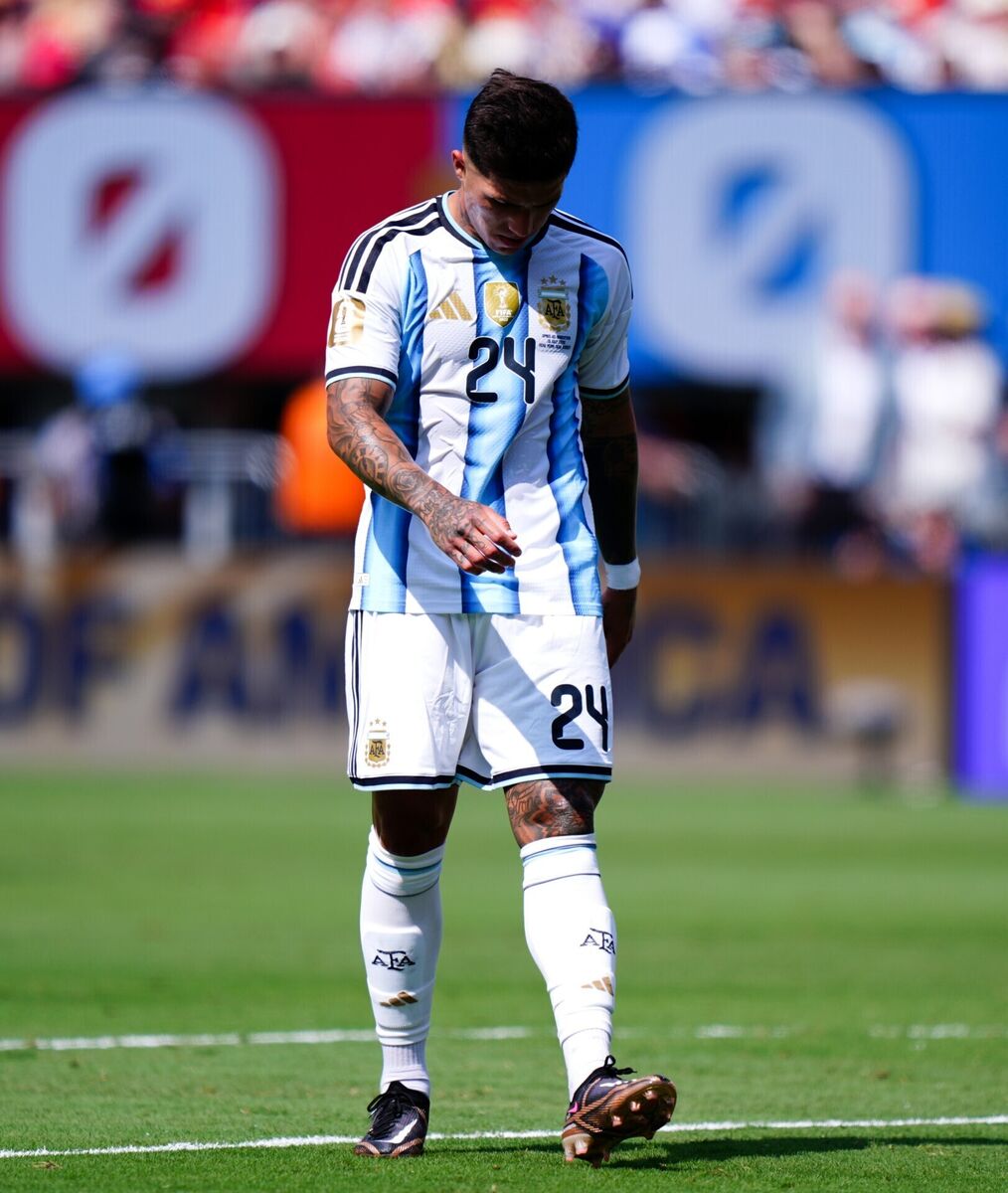
Tellingly, once they fell behind to Spain, Argentina finally emerged from their shell and piled pressure on the champions-elect during the closing stages, despite being reduced to 10 men. It leaves you wondering what might have happened had they shown that ambition while still at full strength. Their apparent plan was to survive until penalties and take their chances there. It was a huge gamble — and one that failed.
Spain, meanwhile, were worthy winners and football purists will have few complaints. Unlike Argentina’s often Messi-dependent approach, this was a triumph built on collective excellence. Their strength in depth was especially evident, with substitutes Nico Williams and Ferran Torres combining for the winning goal, Williams providing the headed assist for Torres to finish.
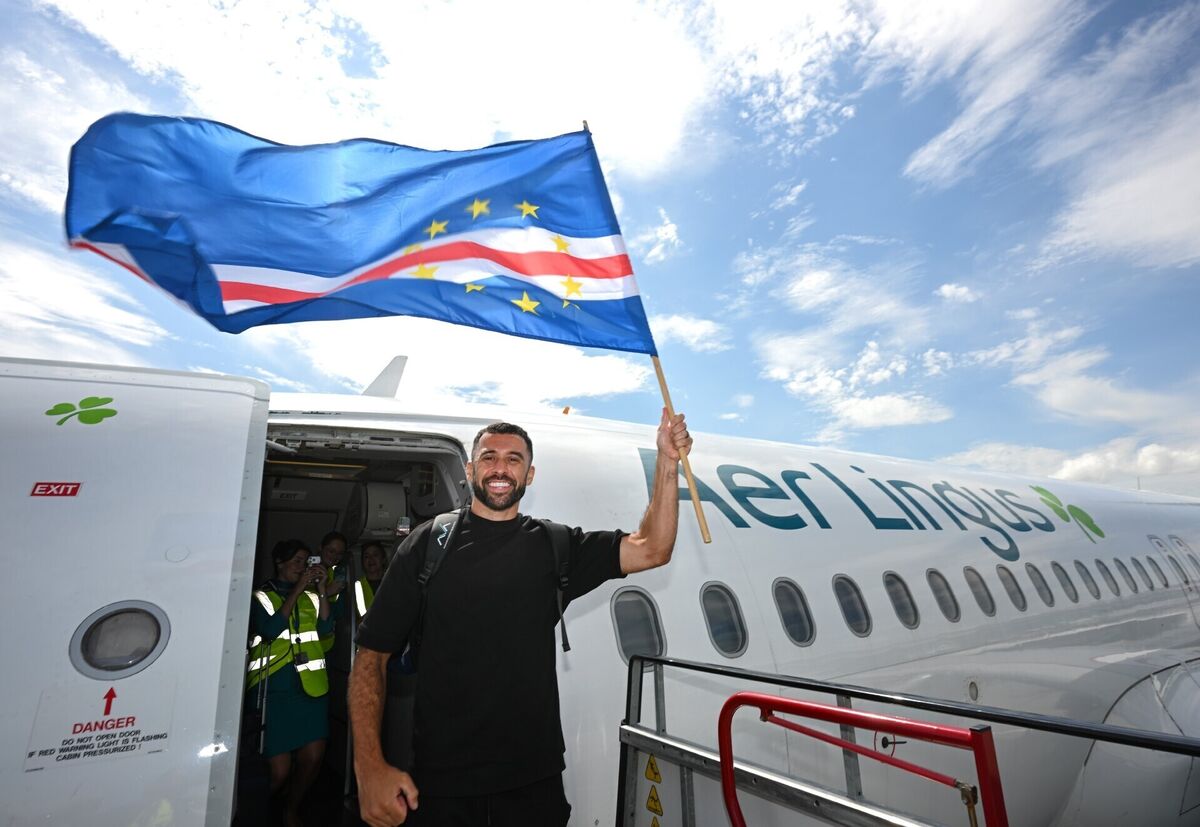
Overall, the World Cup was a hugely entertaining spectacle, packed with quality matches and unexpected storylines. As painful as it is to admit, FIFA president Gianni Infantino may have been vindicated in expanding the tournament to 48 teams. The increased number of games delivered many of the tournament's standout moments, and few could argue that Cape Verde and Curaçao did not deserve their place on the biggest stage — opportunities they likely would not have received under the old 32-team format.
That is not to say the planned expansion to 64 teams in 2030 is necessarily a good idea. Then again, plenty of us criticised the move to 48 teams and were proved wrong. Perhaps 64 will work too. And from an Irish perspective, anything that improves the odds of qualification has to be welcomed.
Read More
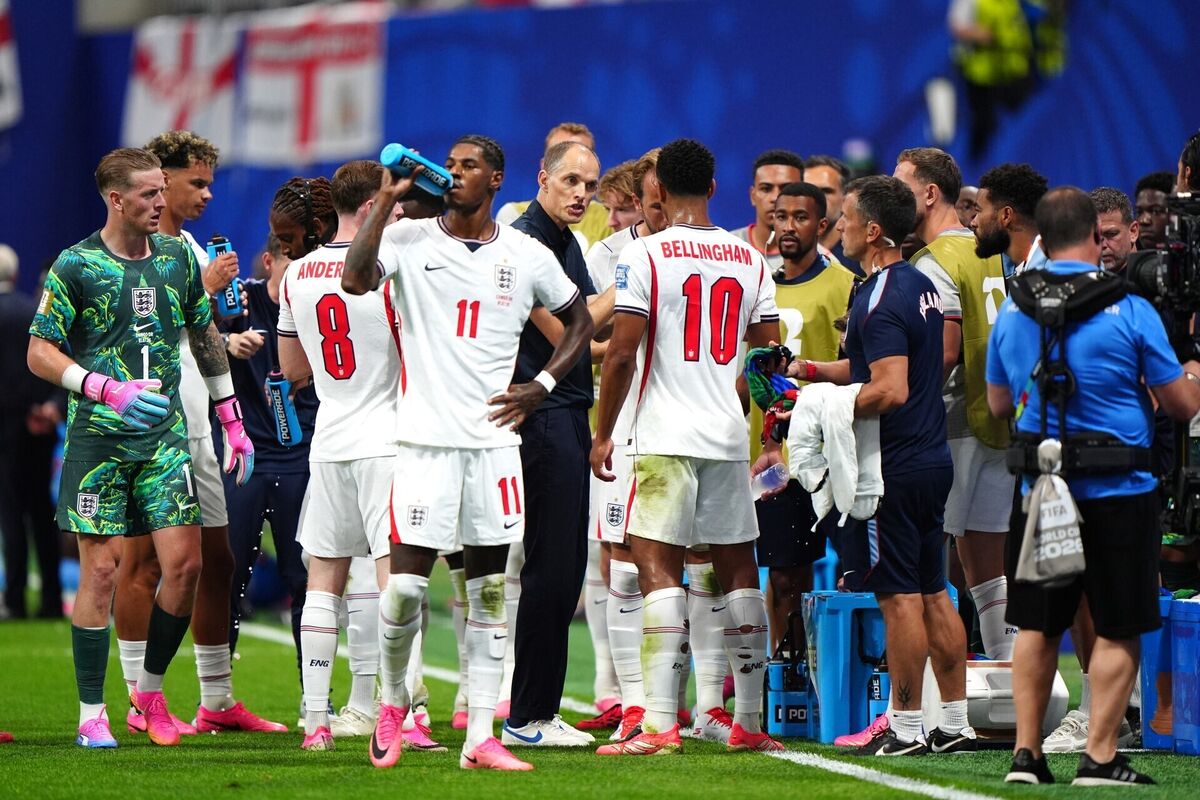
Another talking point was the introduction of hydration breaks. While often little more than a disguised advertising opportunity in FIFA's endless pursuit of revenue, they remain a necessary feature in the intense heat and humidity of outdoor venues. They unquestionably disrupt the flow of matches and can alter momentum, but abolishing them is unrealistic. Holding water breaks inside air-conditioned, enclosed stadiums, however, remains farcical.
As the climate crisis deepens and summer World Cups continue, hydration breaks are here to stay. FIFA and its commercial partners will continue to monetise them, so football fans may have to get used to a game increasingly resembling a four-quarter sport.
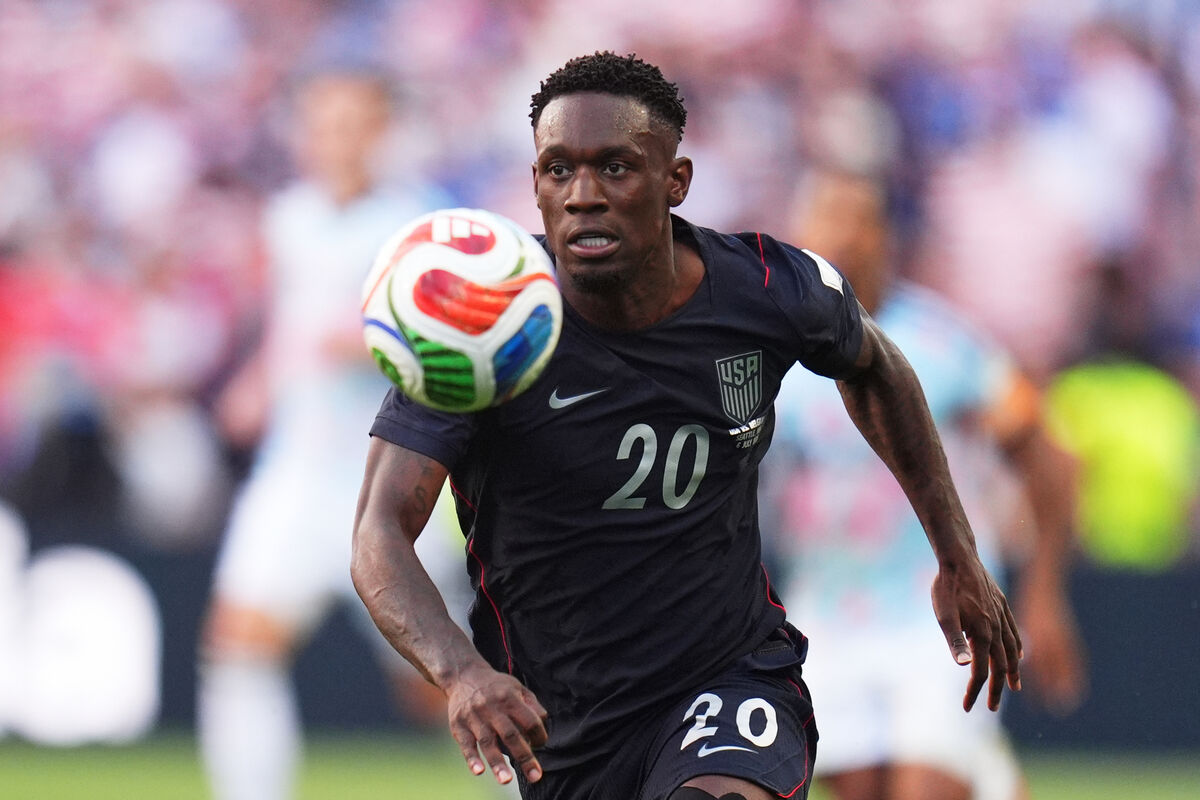
The overturning of Folarin Balogun's red-card suspension was another controversy, highlighting the need for a transparent and independent appeals process. Decisions of such significance cannot appear vulnerable to backroom influence or late-night interventions. Belgium's subsequent elimination of the United States though added an ironic twist to the saga.
In a similar vein, Argentina's defeat in the final denied Argentina's chain-saw wielding president Javier Milei a valuable propaganda opportunity while handing victory to Pedro Sánchez's social democratic Spain instead. For many observers, that added an extra layer of satisfaction. One imagines it may not have delighted the Orange One either as he handed out the winners' medals.
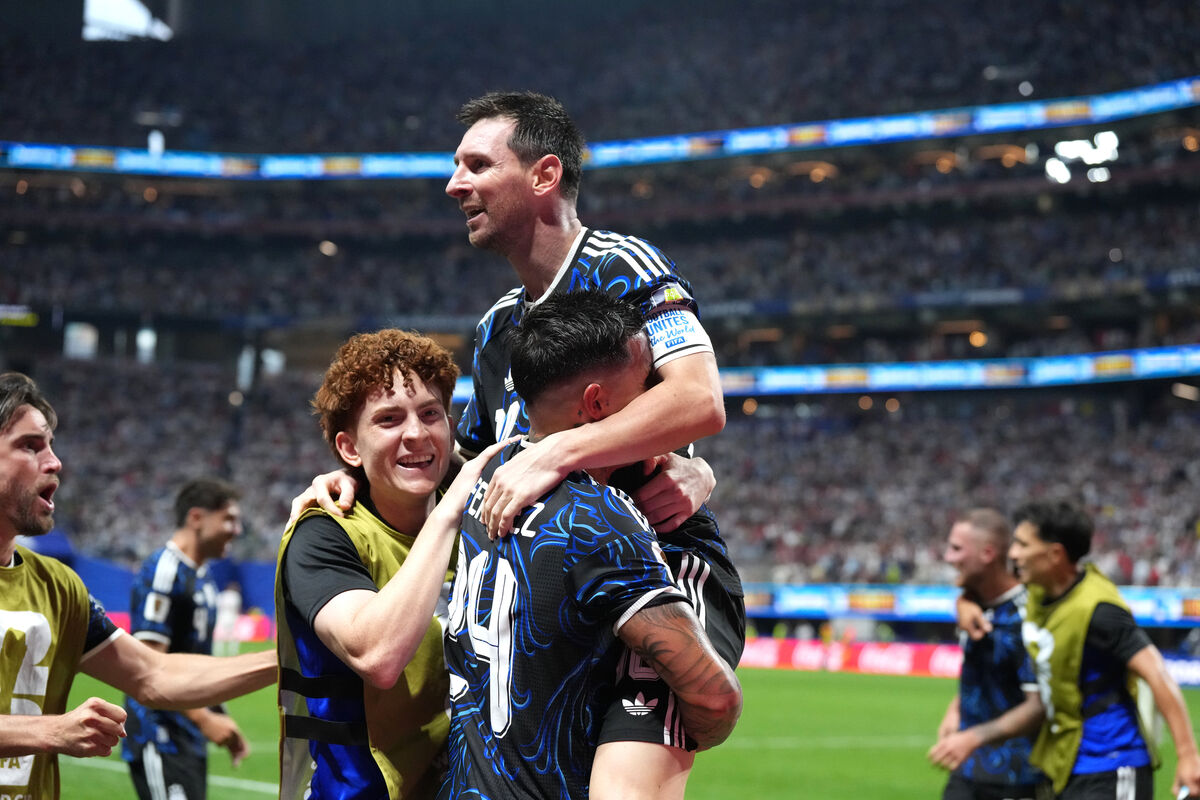
As we wrap things up for another four years, here are my awards from the tournament:
Colombia 0-0 Portugal. A surprising choice perhaps, but the best game I watched all tournament. The scoreline says stalemate; the football said otherwise. Both sides were outstanding, particularly Colombia, who played fearless, free-flowing football and attacked with complete abandon.
Lionel Messi vs Cape Verde. Many will opt for Sidny Cabral’s sensational finish against Argentina following a brilliant team move. It was a magnificent goal. But Messi’s strike in the same game gets my vote for the sheer genius of the control, technique and execution required.
Spain. Only one goal conceded throughout the entire tournament. Dominant, disciplined and deserving champions.
France. The blend of Dembélé, Olise, Tchouaméni and Rabiot was exceptional right up until they ran into Spain.
Argentina. Time and again their forward line rescued them when they went behind or needed a moment of inspiration deep into games.
Lionel Messi. Still the Goat. At 39, he dragged Argentina to another World Cup final through talent, leadership and sheer force of will.
Brazil. Another major tournament, another failure to deliver. Only Italy's continuing failure to qualify takes some of the heat off Brazil in this category. Germany also deserves an honourable mention.
Cape Verde — and Irishman Pico Lopes — were one of the joys of the tournament. Entertaining, fearless and far better than many expected, they deserved more than their final placing suggests.
Four years is a long wait, but if the next World Cup delivers as much drama, quality, and debate as this one, the countdown starts now.







 App?
App?


