Premier League: Sacking of Rosenior unlikely to fix Chelsea leadership problem
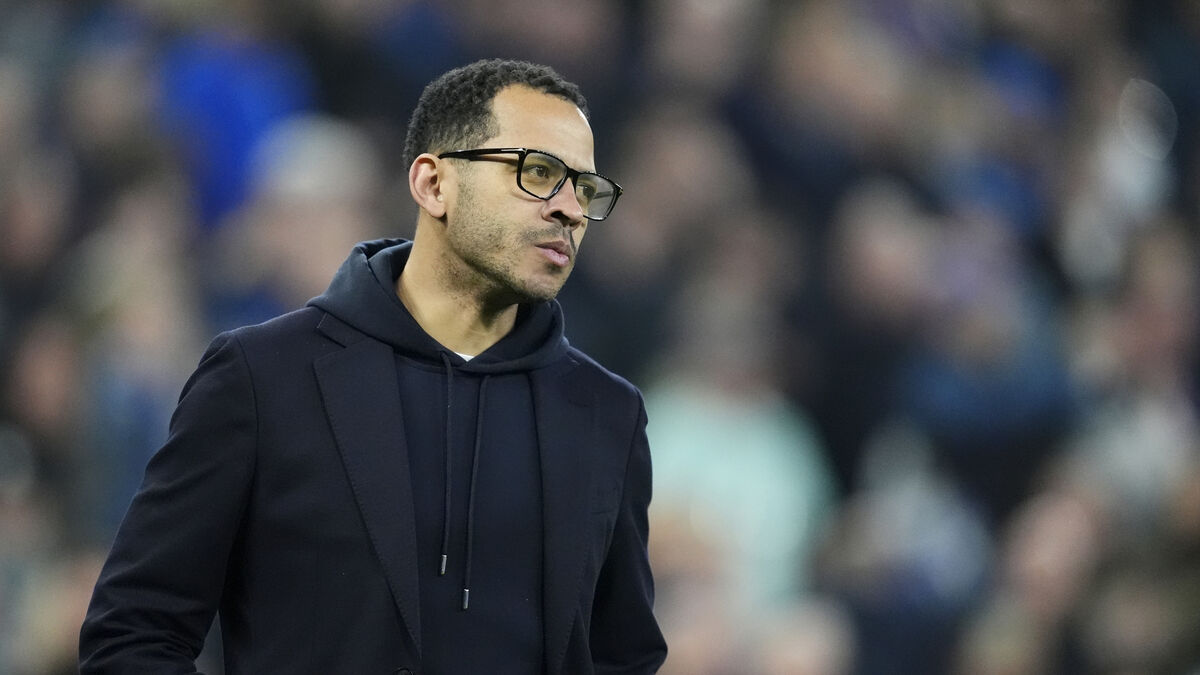
Chelsea manager Liam Rosenior, who has was sacked by the club after a humiliating run of results for the London club.
Manchester City’s victory over Arsenal last weekend made the title race a far more intriguing prospect. Then the growing dilemma of a potential Tottenham Hotspur Premier League relegation, means that we have some unexpected late-season drama at both ends of the table to enjoy. But the hunt for European qualification places are making their own claim for attention, especially with the notable shenanigans going on in Chelsea.
The Club World Cup champions from last summer experienced a serious setback in their bid for a Champions League qualification spot when they were comprehensively put to the sword by a bright and energetic Brighton side on Tuesday night.

Liam Rosenior’s team had a torrid evening on the south coast, not recording a shot on target over the 90 minutes, and but for some basic profligacy in front of goal by the Seagulls, the 3-0 scoreline could have been a lot worse for the Londoners. And it got a lot worse for Rosenior, less than 24-hours later, when the club decided to part ways with the manager they only appointed three months ago.
The immediate reason for his hastened departure was this latest result, which set an unwelcome 114-year club record for losing five consecutive league matches without scoring a goal. But beyond the reported £24m payoff to Rosenior for breach of contract, the potential financial ramifications behind the defeat may have a serious impact on Chelsea.
There are several immediate reasons for Chelsea’s downturn.
The obvious one is the lack of scoring by the west end club. Apart from results, this is the side’s worst run without a goal since 1998. And that may in part be down to injuries of key players. The absence of Cole Plamer, Joao Pedro, Estevao, and Reece James have no doubt impacted the side’s attacking chemistry and forced several changes in the squad which have not worked out.
Rosenior arrival as manager at the club in January was welcomed as a bright and exciting influx of young blood to lead the side after Enzo Maresca departure due to his public falling-out with the club hierarchy. But Rosenior found it hard to impose his ideas and tactics on a team struggling to recover from of the turmoil of the Maresca departure. As it panned out Rosenior failed to capture the imagination and trust of the players and fanbase, even though it can be argued that he didn’t get much time to do so.

It’s harsh to blame Rosenior for all the club’s ills. He inherited a squad mid-season neither built nor conditioned for his approach. But unfortunately, the buck stops with the manager and on the evidence of Tuesday night, he had lost the confidence of his players, who seemed to be at a complete loss as to how to address their stumbling form.
Tuesday night’s example was the clearest demonstration of the tactical incoherence and erosion of confidence at the club, as Chelsea surrendered any influence on midfield duels, presented a disjointed attempt at pressing, while there was no real drive in their few attempts at attack.
Rosenior publicly criticised his players after the game for their poor attitude and intensity, which while demonstrating his understandable frustration, probably showed he knew the writing was on the wall regarding his tenure. But it also showed the biggest problem for the club, the lack of leadership.
Alan Hansen famously said on Match of the Day that: “you can’t win anything with kids” just before Man United’s ‘kids’ went on a decade-long winning spree. But it is kind of forgotten that there were experienced hands on the tiller at Old Trafford and not just a bunch of talented kids running about. Veterans like Brian McClair, Mark Hughes and Eric Cantona were there to add guidance and experience, not to mention having the great Alex Ferguson on the line.

This is not the case at Chelsea. Ironically, the Pensioners have the youngest average player age across the Premier League at 23.4 years old, nearly two years younger than the next youngest squad at 25 for Sunderland. With recent injuries, Chelsea have fielded squads without a single player over the age of 25.
The impact of not having a single experienced goalkeeper, defender, midfielder or striker running through the spine of the team, should not be overestimated. Chelsea are an attractive and skilful-looking side but also seem somewhat lost when situations go against them. A couple of old heads barking instructions, lifting morale, or just portraying an air confidence is sorely lacking at Stamford Bridge.
All the above issues can be fixed but it is not clear if the Chelsea ownership of BlueCo are willing or in the situation to remedy it.
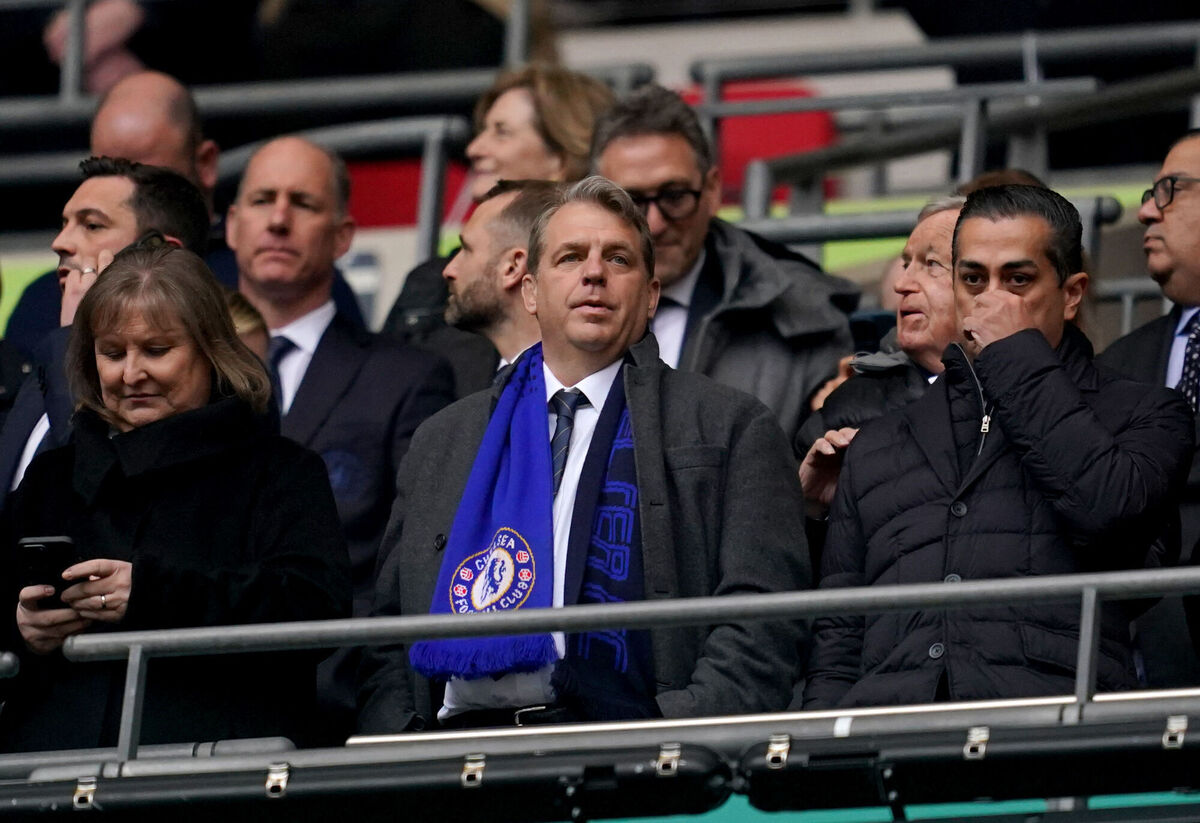
Since BlueCo, led by US billionaire Todd Boehly, took over in 2022, they have spent £1.87bn on new signings of which £1bn was on players aged 24 or lower. Chelsea got around fair play regulations by offering these players the unusual situation of 10-year contracts to spread out the outlay. It is clever accounting but may prove extremely costly if they should want to move out a player with eight or nine years left on their contract. And not forgetting that the club are still paying-off Maresca’s millions before they even approach Rosenior’s £24m exit costs.
The operating losses at BlueCo, over the last three years, is now at £689m and Chelsea commercial income of £200m, substantially trails it nearest big six rivals by on average £100m, while their wage bill accounts for 75% of the club’s revenue, the highest among the big six.
Should the side miss out on Champions League qualification the impact on revenues could be disastrous, a situation that will probably need more cash to resolve.










 App?
App?


