Premier League: Set‑piece tactics draining the life from the game
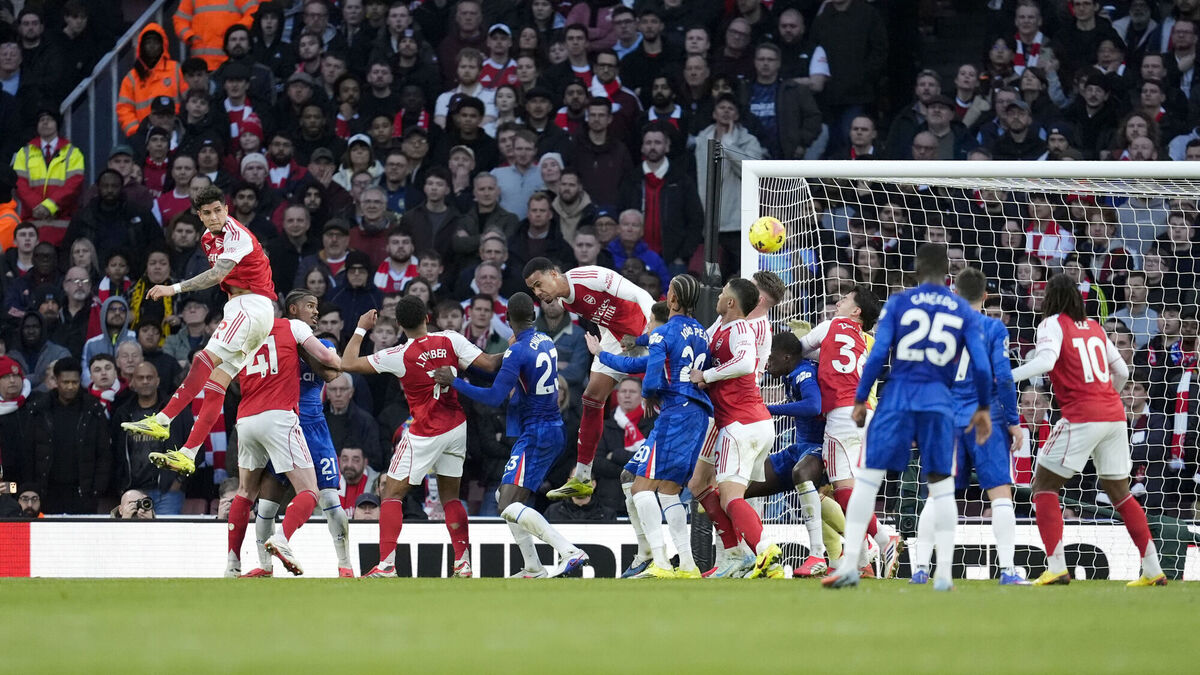
Arsenal's Piero Hincapie (left) heads into his own net for Chelsea's in a crowded box for the first goal during the Premier League match at the Emirates Stadium, London. Picture: Nick Potts/PA Wire
Set pieces have always been part of football, but this season the Premier League feels like it has been swallowed by them. Corners and long throws aren’t just chances anymore — they’re overwhelming the spectacle, dominating goals, and turning matches into stop-start slugfests.
Arsenal’s title push has only intensified the debate. Scroll through social media and you’d think the Gunners were winning the league solely through dead ball routines. But they’re far from alone. This year, most sides in the league seem to have decided that the quickest route to goal is to treat every corner like a survival exercise.
And that’s the real problem: the side effects.
The modern set-piece routine has become a WWE style cage match in the six yard box. Ten to 12 players cramming into a space barely big enough for a family picnic, with defenders and attackers grabbing, dragging and wrestling each other to the ground — before the ball is even in play. What used to be a bit of jostling has descended into full on grappling. The actual football only begins once the pushing and hauling has finished — if it ever does.
Referees don’t have a hope. You can’t book everyone, as everyone is guilty. So the mauls go on unpunished. Contact that would be an instant penalty or a straight red in open play somehow becomes acceptable carnage during the wait for a corner or throw in. It’s absurd: we spend the season debating soft penalties one minute and then shrug off what looks like GBH the next.
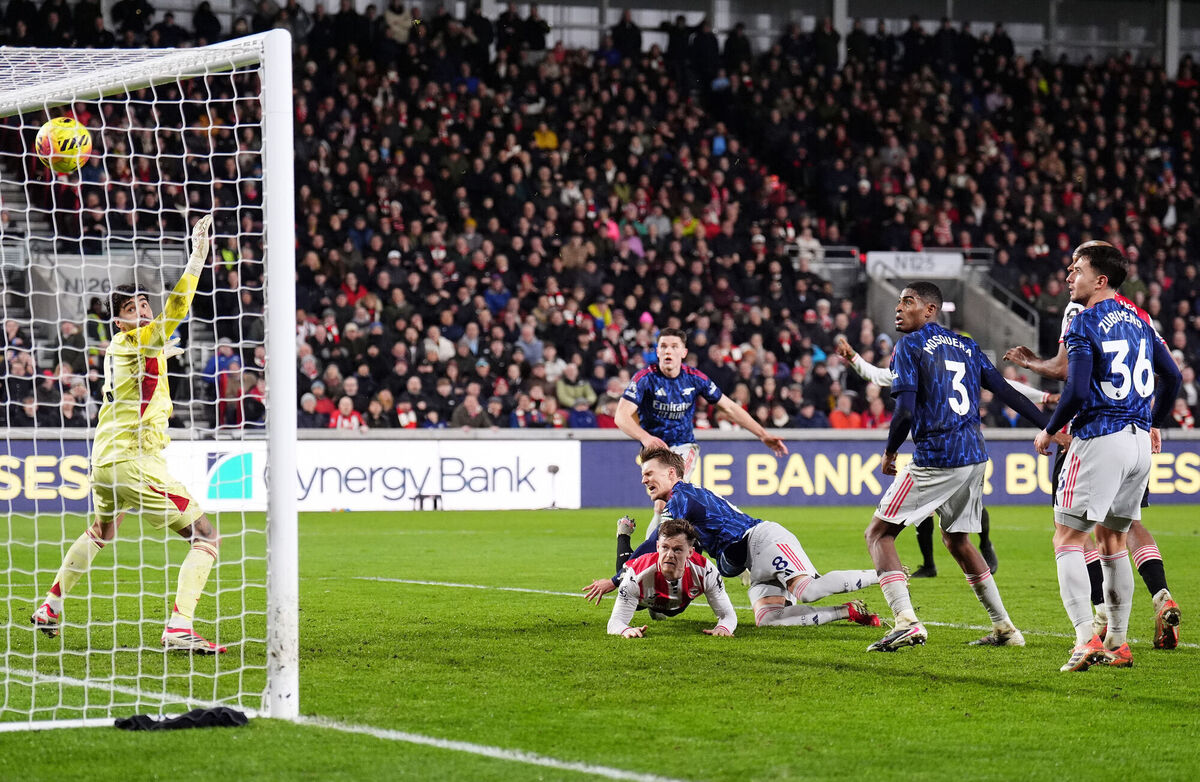
Worse, the whole thing is painfully slow. Corners that should take 20 seconds now routinely chew up a minute as referees step in, warn players, step back, and watch the same wrestling restart instantly. Throw ins — once a five second restart — now take 15, 20, sometimes 30 seconds thanks to towel drying rituals and runway length preparations. Brentford’s long throw routine alone could be used to measure geological time.
And while we pointed out Arsenal and Brentford here for their successful use of set-piece tactics, it is fair to say that the vast majority of clubs have adopted this approach. Liverpool started the season the victims of set-piece manoeuvres only to successfully adopt the tactic themselves in their improved second-half of the season. That was until they met Wolves on Tuesday night at least.
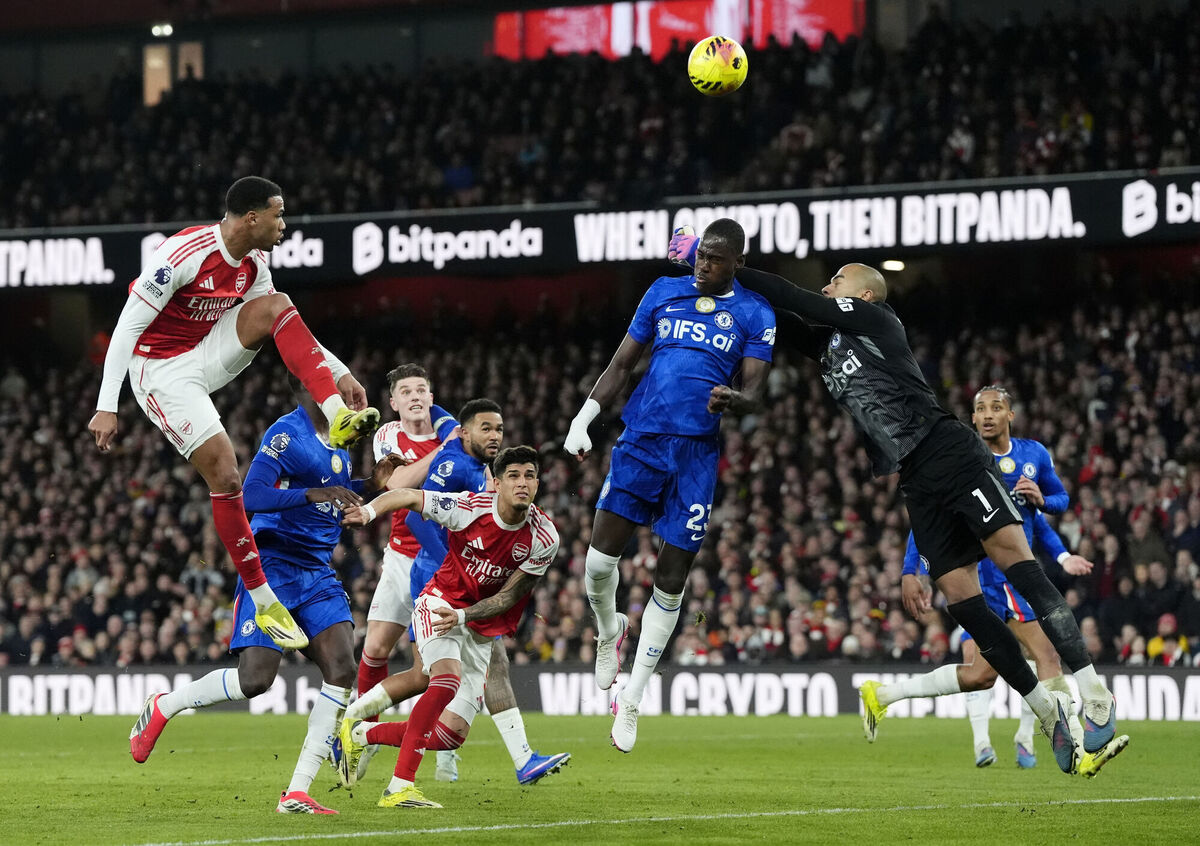
It adds up. Estimates suggest the ball is out of play for 10 to 11 minutes per match purely during the setup for corners, throw ins and free kicks — and that’s before you add injury time. No wonder matches feel increasingly sluggish and disjointed. Fans are being denied the best part of the game: flowing football and goals from open play. Why risk building through the thirds when a rugby style scrum in the box gives you better odds?
The statistics back it up. The Premier League leads Europe with 27% of its goals coming from set pieces this season. Serie A (24%) isn’t far behind, then the Bundesliga (22%), La Liga (19%) and Ligue 1 (17%). It’s a continent wide shift — but England is its most chaotic incarnation.
Not all dead balls are bad, of course. A sweetly struck free kick — the sort Dominik Szoboszlai has produced — still lights up a game. But they’re rare compared to many occasions of corners and throw-ins. What we mostly get now is bodies flying everywhere and a whistle blowing endlessly.
There’s talk that the World Cup won’t tolerate this. But unless new rules prevent players from invading the six yard box until the ball is live, we’re heading for the same tedious spectacle on the biggest stage of all.










 App?
App?


