Chelsea and Cork soccer legend Bobby Tambling will be hugely missed
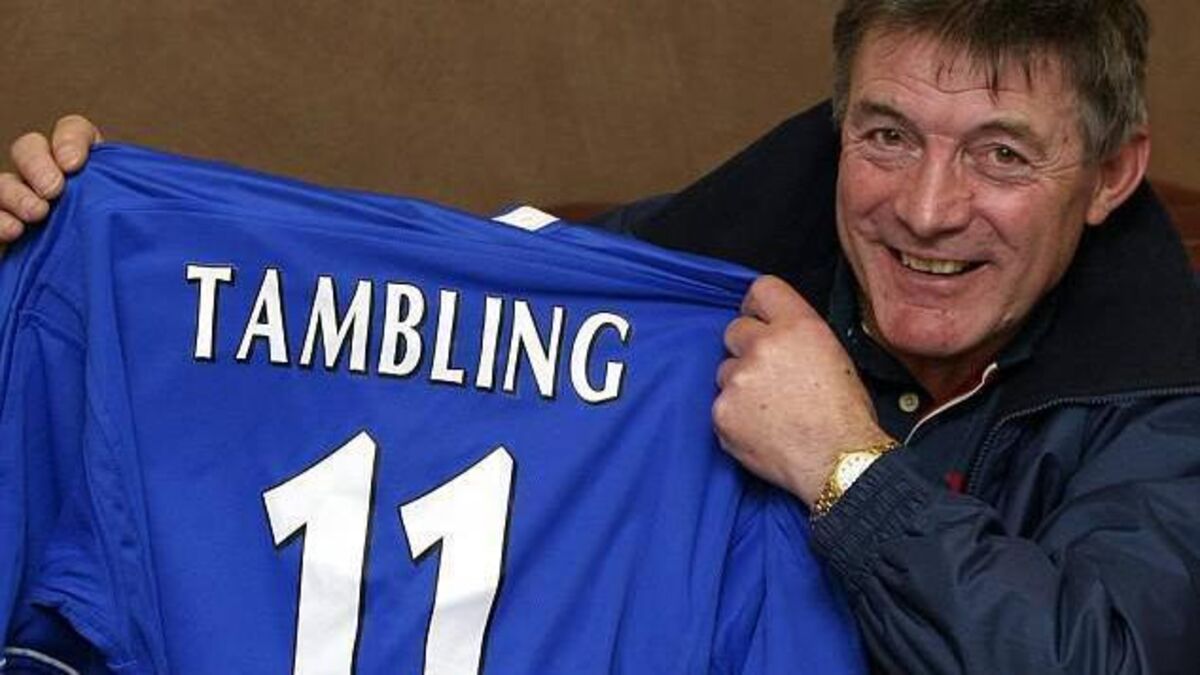
Bobby Tambling who is still Chelsea's second all-time top scorer in league competitions with 164 goals behind Frank Lampard
The passing of Bobby Tambling marks the end of an era and the loss of one of football's most prolific and revered goalscorers.
A legend of Chelsea Football Club, a champion in Cork Celtic colours, and a lifelong ambassador for the game he loved, Bobby passed away after a long illness at Care Choice Nursing Home, Montenotte.
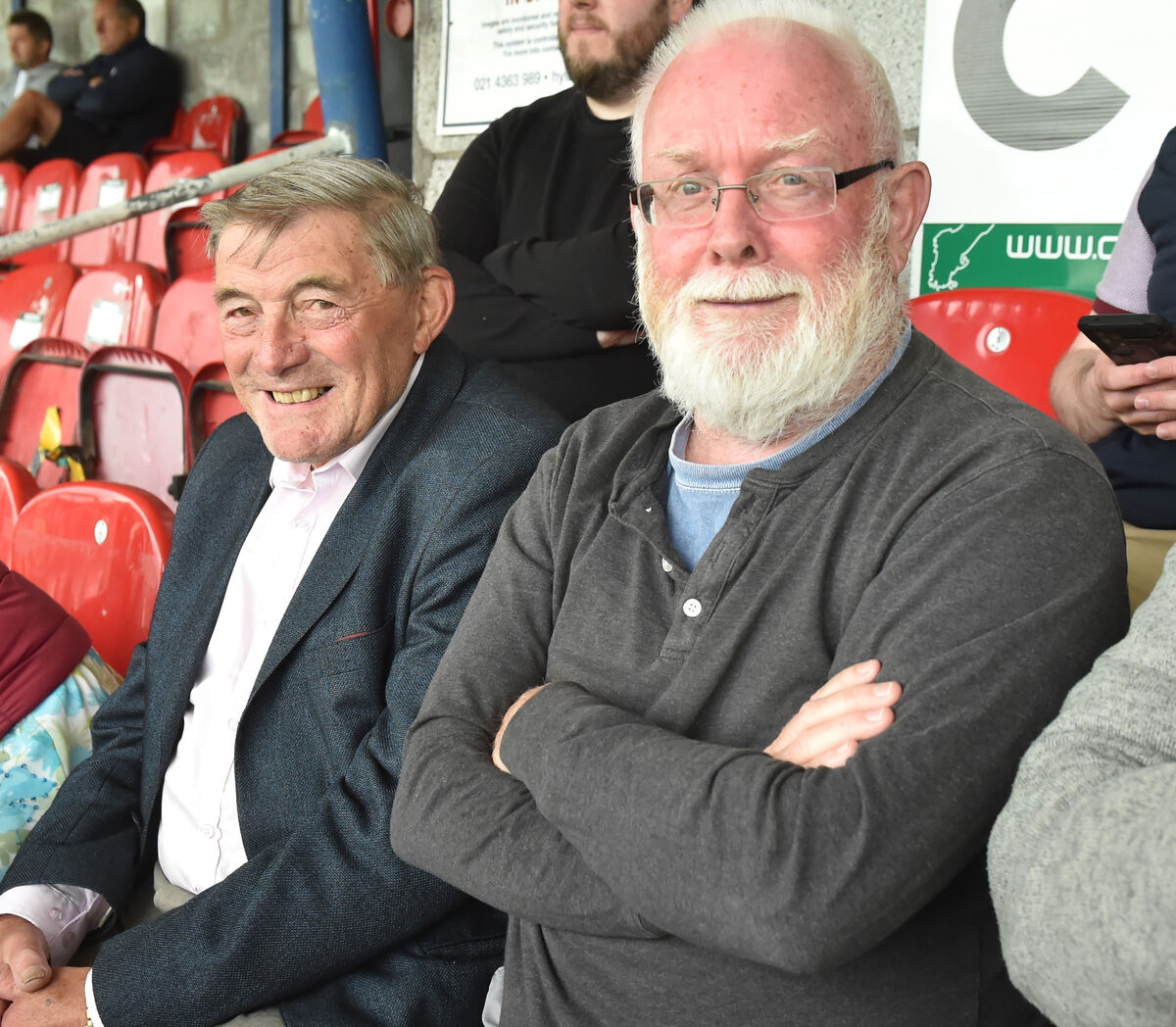
Having bravely battled a debilitating leg ailment for many years, he was later afflicted by dementia, an illness that has sadly touched so many of his footballing contemporaries.
His death will be deeply mourned by generations of Chelsea supporters, football followers across the world, and by the thousands who came to know and admire him on Leeside, particularly in Crosshaven, where he became a cherished member of the local sporting community.
While many great footballers are remembered for what they achieved on the field, Bobby Tambling will also be remembered for the warmth, humility and generosity that endeared him to all who met him.
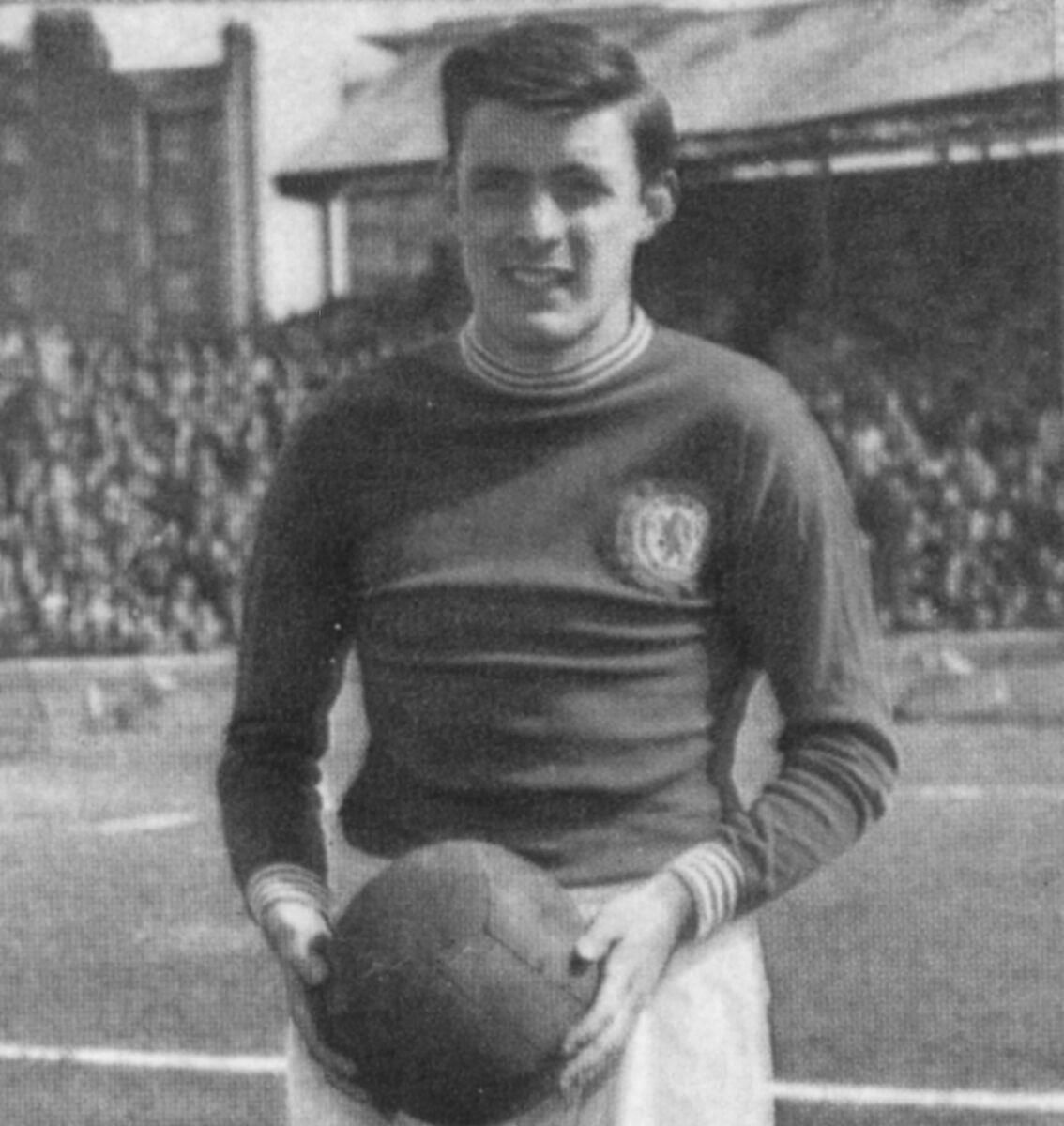
One of the famous “Drake's Ducklings”, Bobby was capped for England Schoolboys and joined Chelsea in 1958 straight from their star-studded junior side.
Originally, deployed on the wing, he later developed into an inside-right of exceptional ability, possessing tremendous shooting power, particularly with his favoured left foot.
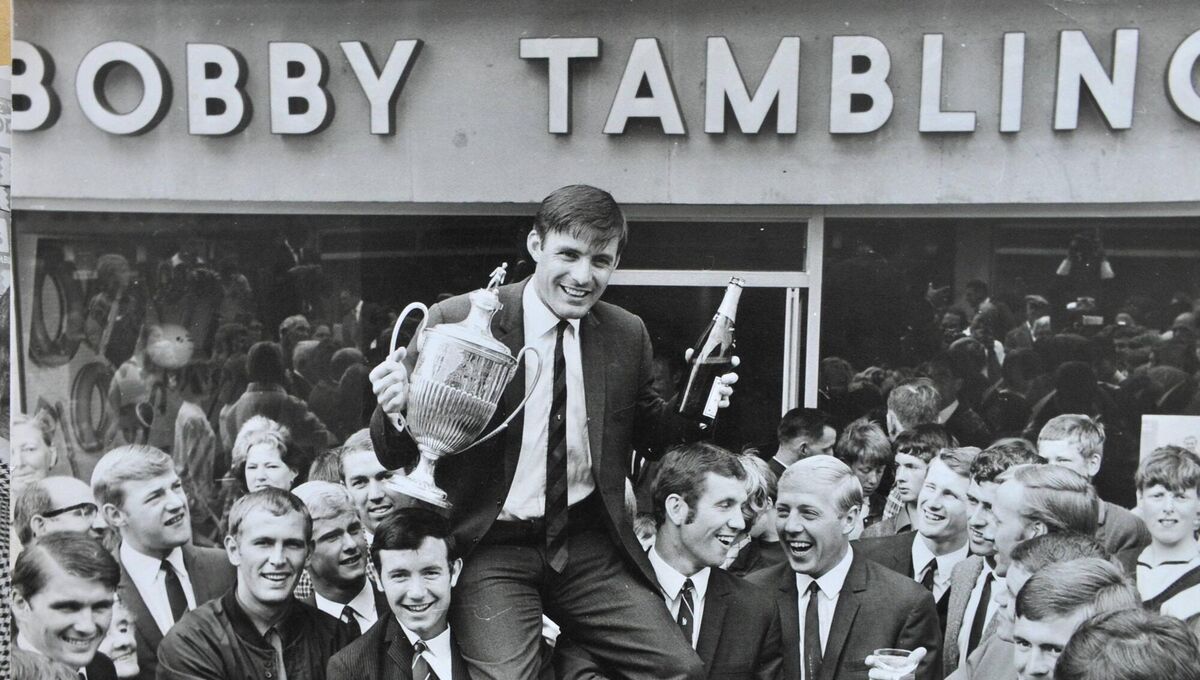
He became the youngest captain in the Football League when he led Chelsea to promotion in 1963.
For 47 years Bobby stood as Chelsea's all-time leading scorer with 202 goals in all competitions until Frank Lampard surpassed the record on 11 May, 2013.
His tally of 164 League goals from 298 appearances remains a club record to this day.
He also shares Chelsea's individual match scoring record after netting five goals against Aston Villa in 1968 while playing on the wing.
Remarkably, Bobby achieved all this without the benefit of penalty kicks.
In fact, the only penalty he ever took was for Cork Celtic—and he missed it on the famous day that George Best appeared at Turner's Cross. Bobby earned England caps against Wales, France and Yugoslavia and was a member of the Chelsea side that lost to Tottenham Hotspur in the 1967 FA Cup Final.
Such was the regard in which he was held that both Chelsea supporters and his peers selected him in the club's greatest-ever XI alongside Peter Osgood and Gianfranco Zola, ahead of legendary names such as Jimmy Greaves, Roy Bentley and many of the stars who flourished under José Mourinho.
When he left Stamford Bridge in 1969 to join Crystal Palace, where he made 67 appearances before ending his English career in 1973, most football historians considered the story complete and closed the book on a glittering career.
Yet Ireland, and particularly Cork, witnessed the remarkable second chapter of Bobby Tambling's footballing life.
He joined Cork Celtic in 1973-74 and helped the club capture its first and only League of Ireland championship.
When Paul O'Donovan departed before the following season, Bobby assumed the role of player-manager and guided Celtic into European competition.
Business commitments eventually led him to relinquish the managerial position, but he continued to play and score goals with typical enthusiasm.
In five seasons with Cork Celtic he finished as the club's leading scorer with more than 40 goals.
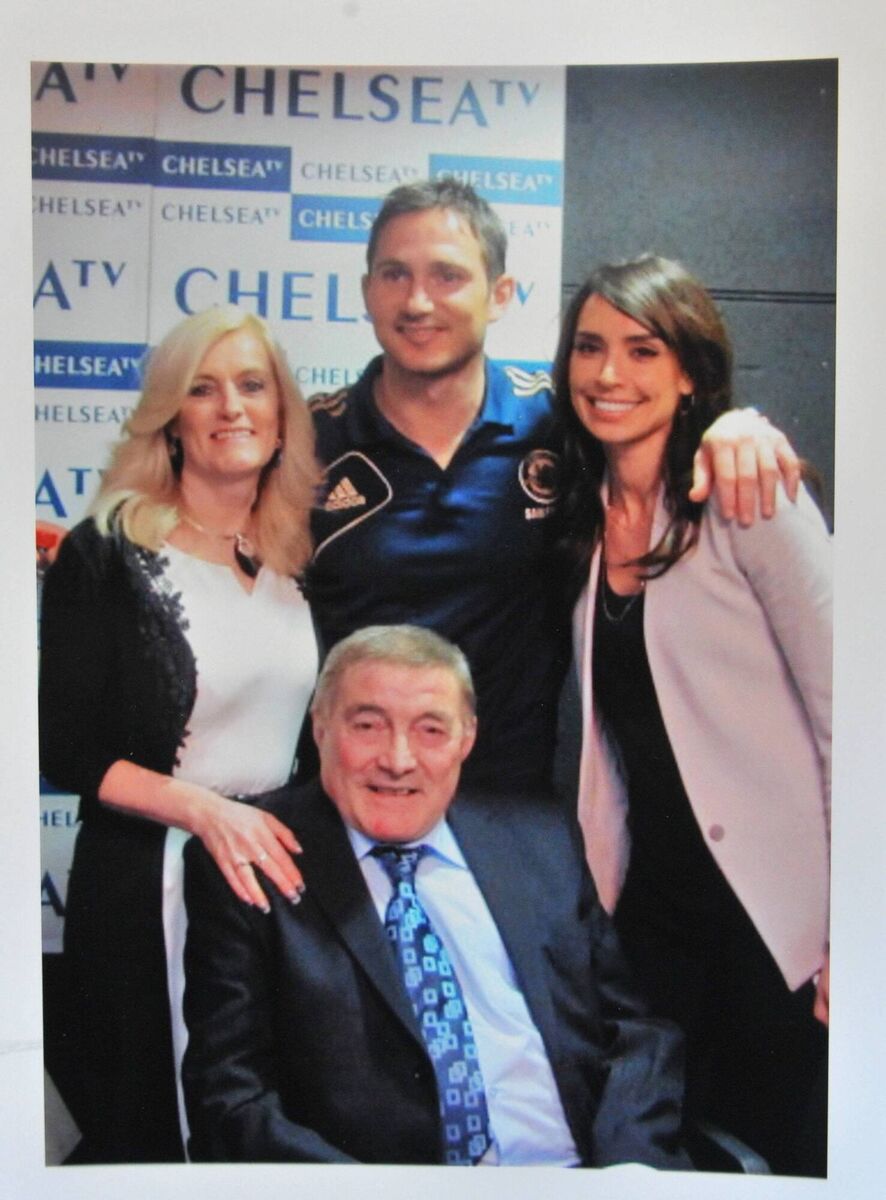
Many will recall the unforgettable occasion when he donned the goalkeeper's jersey to replace Bertie O'Sullivan and succeeded in stealing the limelight from George Best when the Belfast genius appeared at Turner's Cross.
Bobby transferred to Waterford in 1977 and the following year joined the star-studded Shamrock Rovers side featuring Johnny Giles, Ray Treacy and Eamon Dunphy.
He also guested with Cork Hibernians on their American tour and later linked up with Cork Alberts during the 1978-79 season.
In 1983, he accepted the manager's position with Avondale and, while with the Ballintemple club, created his own unique piece of Cork football history by lining out alongside his son Garry in an AOH Cup tie.
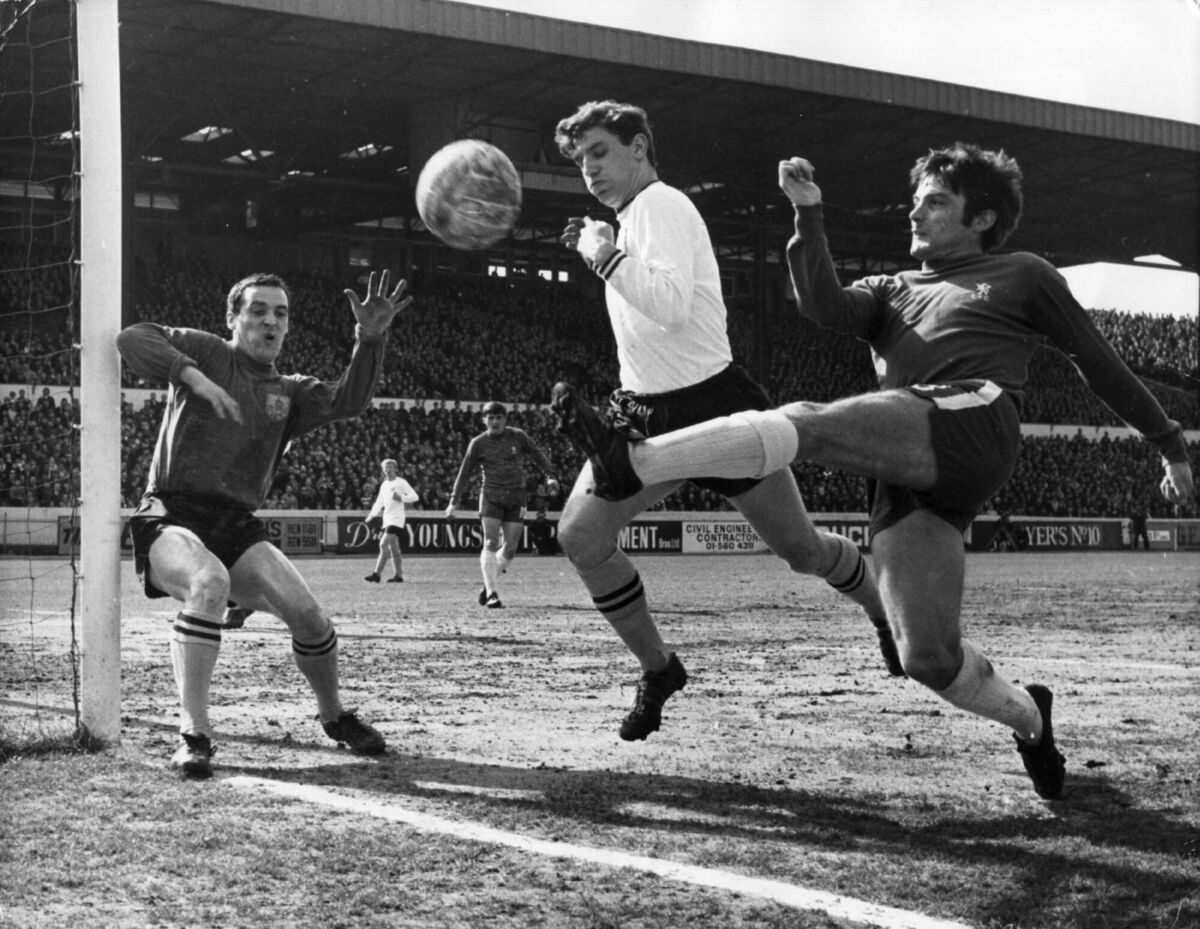
Following the absence of a League of Ireland club in Cork between 1982 and 1984, Bobby was appointed manager of the newly elected Cork City FC.
Although his tenure was brief, he played an important role during a significant period in the club's formative years.
His association with football continued when he joined Crosshaven and helped the club qualify for the FAI Cup in 1986.
Yet Bobby's appetite for the game never diminished.
Over the following decades he devoted countless hours to the promotion and development of football throughout the south-east Cork region, particularly in Carrigaline and Crosshaven, where he remained a driving force behind the club's progress until illness eventually curtailed his involvement.
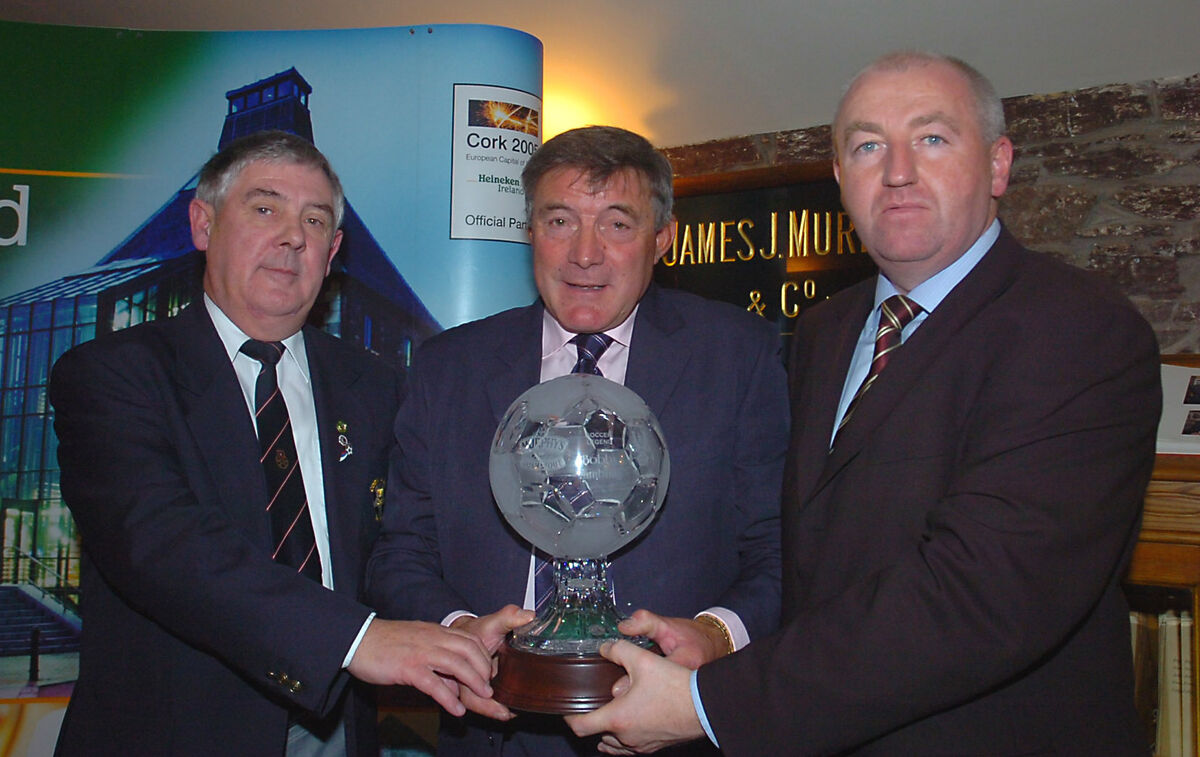
In recognition of his enormous contribution to the game, Bobby was honoured as a Cork Soccer Legend in 2005, joining an illustrious roll of honour that includes Noel Cantwell, Charlie Hurley, Frank O'Farrell and many of the greatest figures in League of Ireland history.
Few footballers have left such a lasting imprint in two countries.
At Chelsea he remains one of the greatest goalscorers ever to wear the blue shirt; in Cork he became one of our own, a football icon whose influence stretched far beyond goals and trophies.
His name will forever occupy a special place in the history of both clubs and communities fortunate enough to have called him one of theirs.
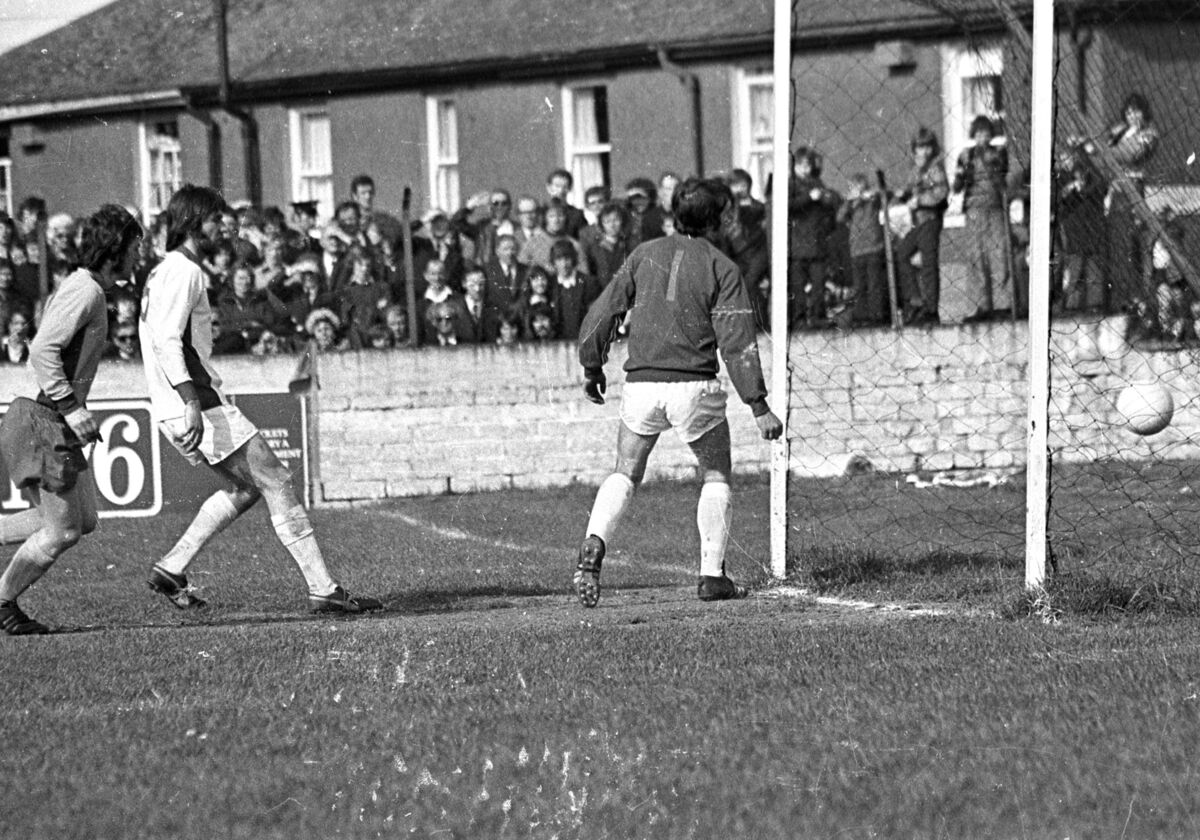
Deepest sympathy is extended to his long-time partner Valerie O'Connell and to his sons, Garry and Glenn.
May he rest in peace.





 App?
App?


