Christy O'Connor on challenge faced by new Cork hurling performance coach Gerry Hussey
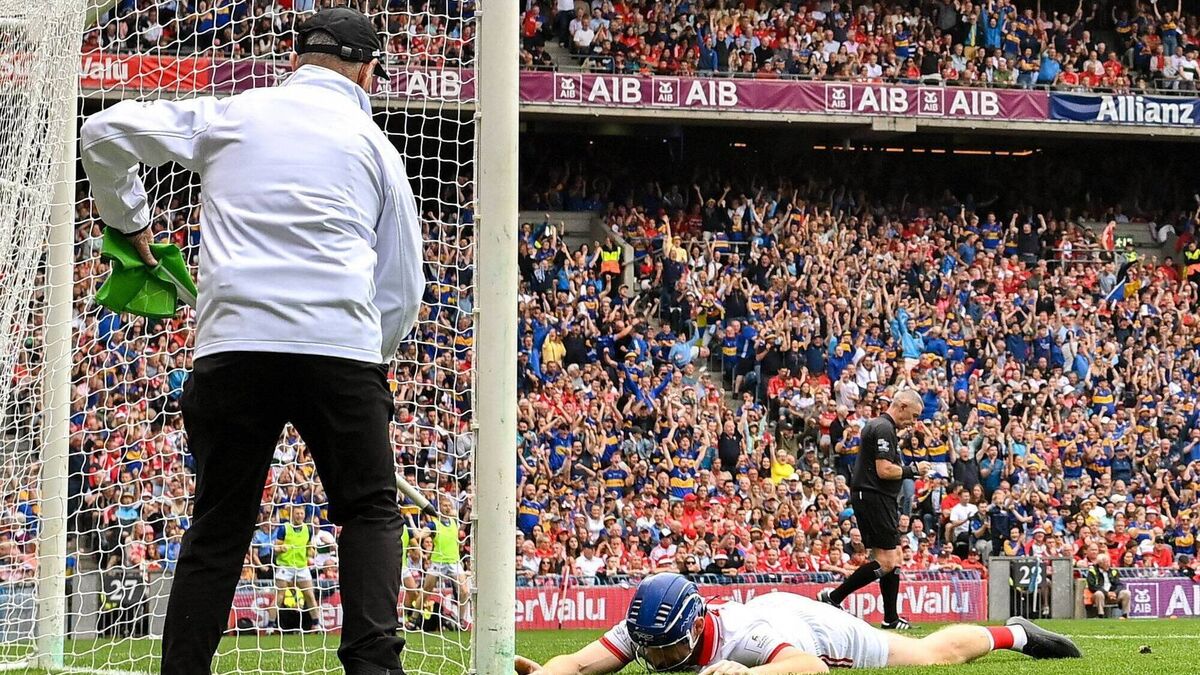
Cork goalkeeper Patrick Collins after conceding a goal to Tipperary at Croke Park. Picture: Seb Daly/Sportsfile
When Gary Keegan appeared on Off the Ball during the week, it was inevitable that he would be asked for his opinion on what happened to Cork in the second half of the All-Ireland final last July.
Keegan wasn’t in Croke Park that afternoon as he was on duty with the British and Irish Lions in Australia.
He is no longer involved with the Cork management as a performance coach, but loyalty to the group and his professional integrity meant that Keegan was never going to speculate on the topic.
In any case, the meltdown was so seismic that Keegan was in the dark about it as much as anyone else involved with that group.
“I have no idea (what happened),” he said. “I was as surprised as anyone else.
"I stayed with it and suffered the pain. I’m sure it was very painful for the entire group. I would love to have reviewed it at the time but it just didn’t work out.”
That task now has been passed on to Gerry Hussey, who has replaced Keegan as Cork’s performance coach. Similar to Keegan, Hussey is renowned for his work in that field, but dealing with the fallout will be a huge challenge considering how the blast was so destructive and devastating.
Sifting through the wreckage will be a long and delicate process.
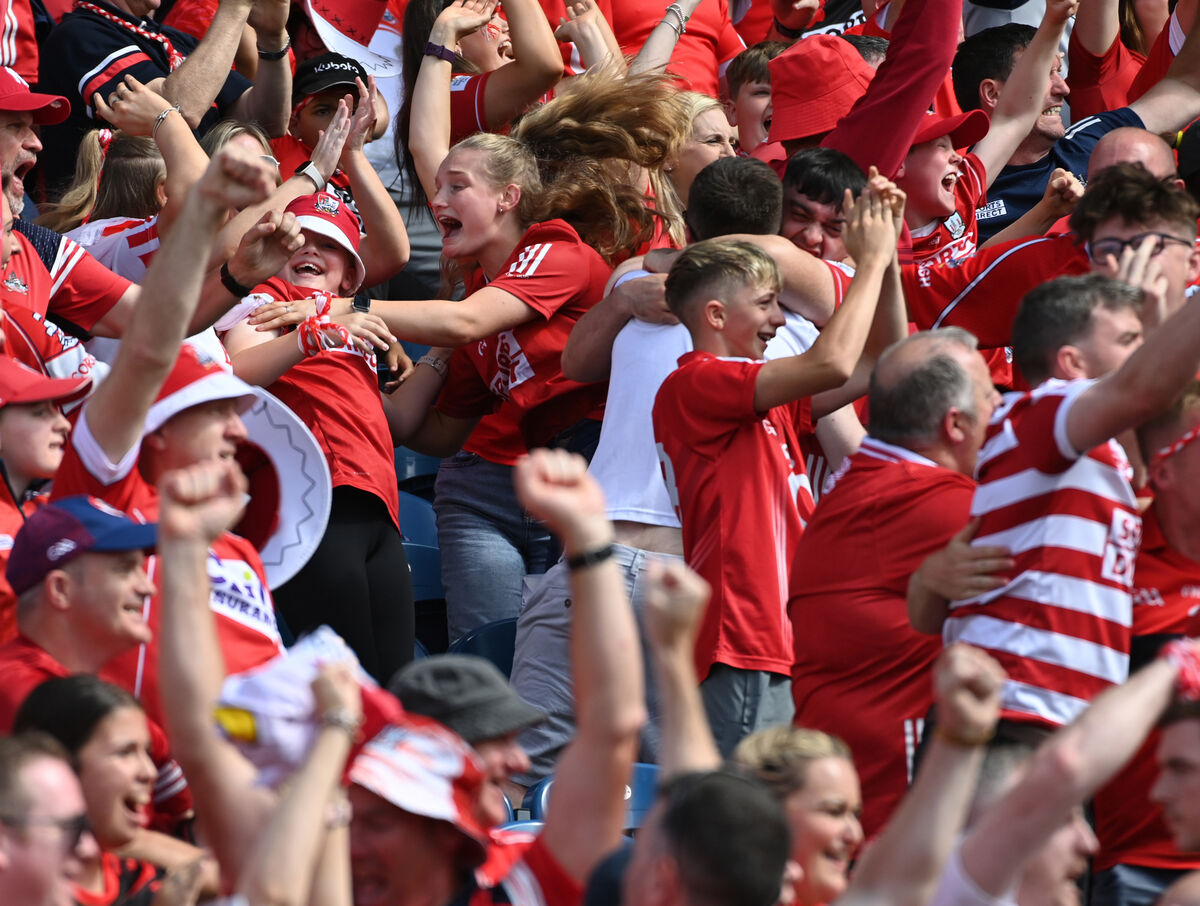
Thirty-five minutes won’t destroy a monument of work that took years of hard labour to build, but one of Hussey – and Ben O’Connor’s - biggest tasks will be dealing with the mental scar tissue left from such a deep wound.
In his Laochra Gael documentary, Ken McGrath – one of Waterford’s greatest players - graphically detailed the personal impact the 2008 final hammering to Kilkenny had on him.
"I was never the same player afterwards,” he said. McGrath was even more emphatic about the experience in his book.
“That game finished me,” he wrote.
McGrath was still only 30 but he was in his 13th season with Waterford and it was going to be difficult for him to reclaim the finest hours of a glorious career.
He never did, but it’s arguable if that Waterford team ever recovered from the harrowing experience of that 2008 final. The scars were so deep that the wounds were oozing for years.
Waterford lost to Kilkenny in five championship matches between 2009-’16, including four All-Ireland semi-finals. Waterford were improving but each defeat reinforced their old fears until Waterford finally beat their nemesis in a qualifier in 2017.
There is even more psychological baggage to sift through with a lot of these Cork players having now lost three All-Ireland finals in five years. And Cork were beaten in two of those finals by an aggregate margin of 31 points.
That 2021 final against Limerick was over at half-time, but Cork led by six points at the interval last July – and lost by 15. There has never been a collapse like it in one half.
Limerick lost an All-Ireland final to Offaly in five minutes in the 1994 final and, while they returned to the 1996 final, they hadn’t learned enough lessons from the experience of two years earlier and were beaten by a Wexford team reduced to 14 men before half-time.
Losing an All-Ireland final doesn’t alter a team’s ambitions but losing so heavily does critically reduce their capacity to pursue them with the same confidence and conviction.
After Offaly lost the 2000 final to Kilkenny by 13 points, there was a sense of finality about the result for the group. The team was getting old, but everything felt compromised by the overwhelming dominance of Kilkenny’s victory. And that Offaly team never came back.
This Cork team has a far better age profile while there are a lot more support structures in place for players now than there were back then. When Eoin Downey was recently asked about the forgetful experience of last year’s final, he spoke about the importance of dealing with it head-on – not running from it.
"You kind of have to talk about it,” said Downey. “Look, what happened, happened. There are things to learn from it. We have spoken about it.
"We haven't gone into too much depth yet, which we probably will, but it won't just be one day focused on that; that's not the way we are.
"We'll take points from it.”
As Cork’s 2026 season begins in earnest now on Sunday with an opening day league game against Waterford, any player involved won’t be thinking of the second-half horror show from last July; they’ll only be focused on learning, evolving, adapting and being more physically and psychologically better equipped than they were in 2025.
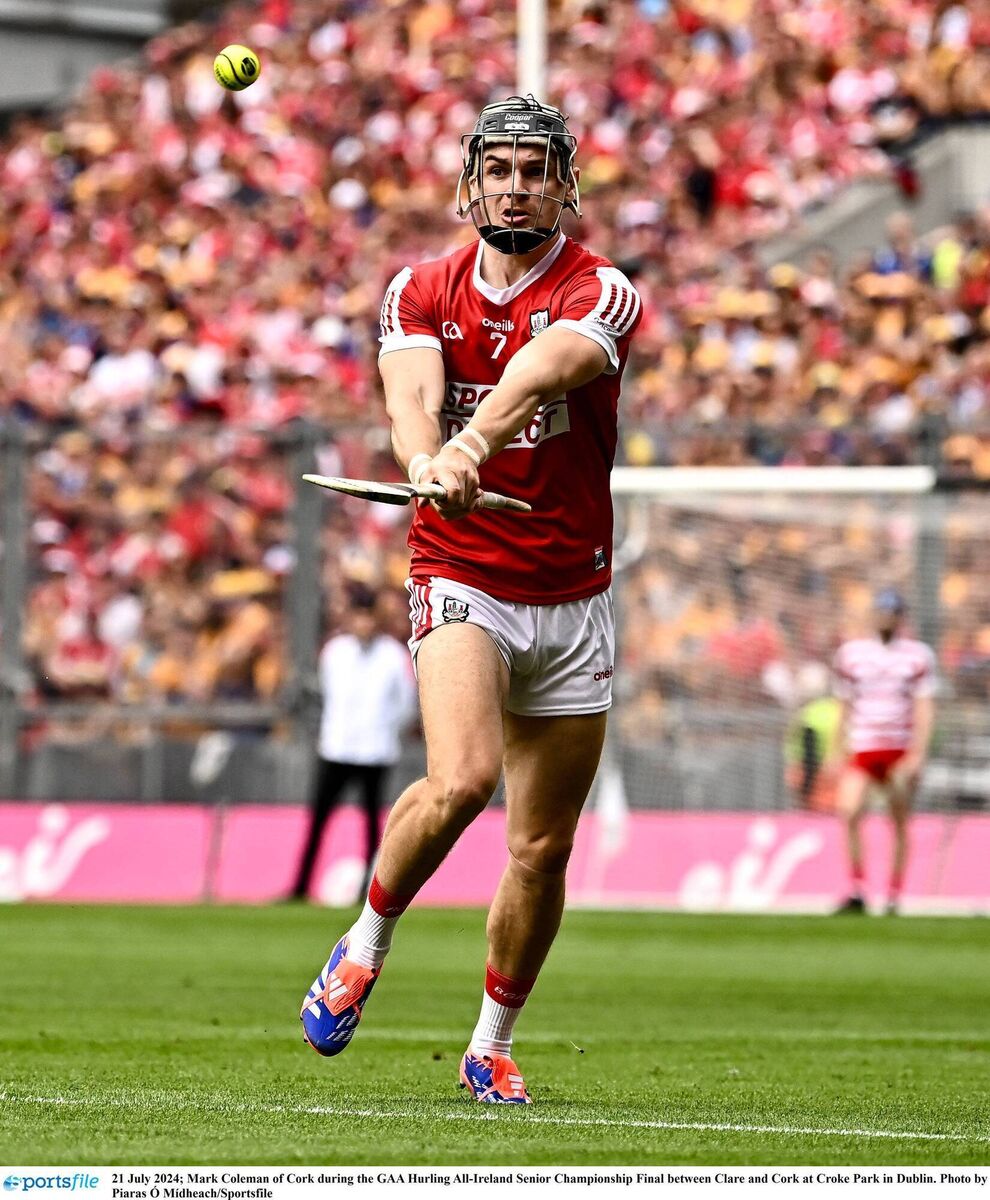
Dealing with the trauma – for those who were part of it – will be a long drawn-out process that the Cork players need to break down, analyse, dissect, discuss and deal with throughout the season.
Because when the doubts do return – as they inevitably will for any group who have been through so many difficult big-day experiences – Cork need to make sure that can cope with the challenges that those painful memories will trigger.








 App?
App?


