Cork v Limerick talking points: Selection and structure the real focus in defeat
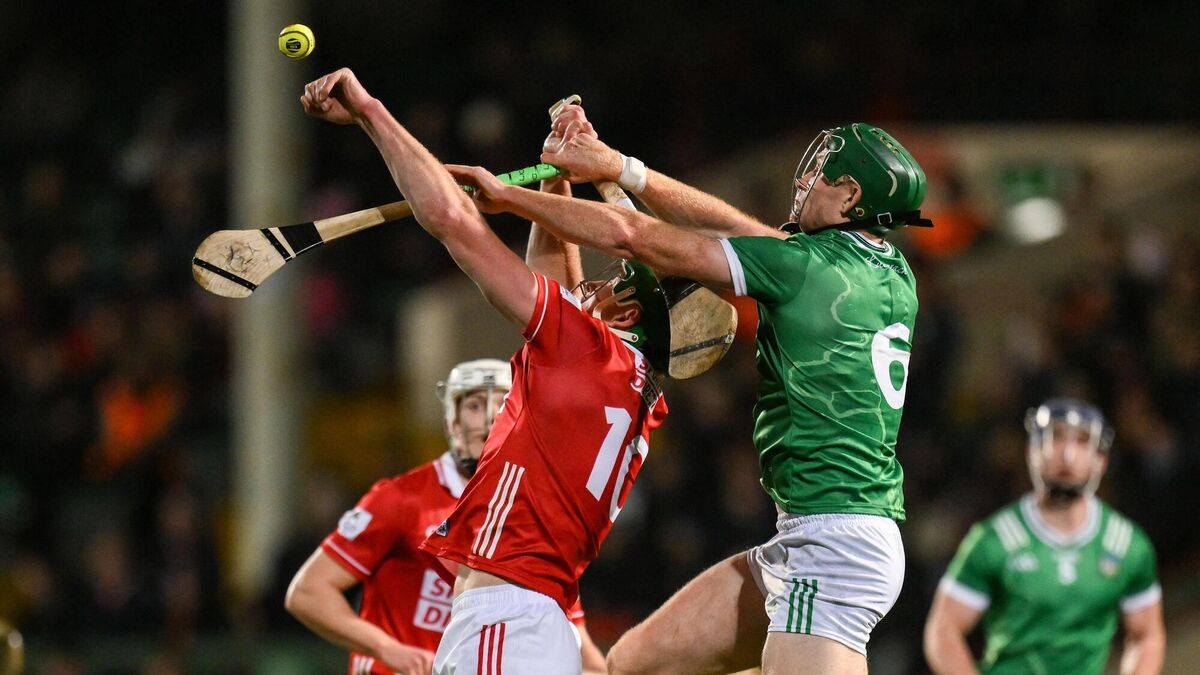
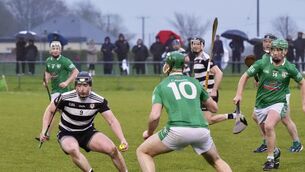
Colin O’Brien of Cork and William O'Donoghue of Limerick contest a dropping ball during the Co-Op Superstores Munster Senior Hurling League match between Limerick and Cork at TUS Gaelic Grounds in Limerick. Picture: Brendan Moran/Sportsfile
Cork’s Munster Senior Hurling League opener was over almost as soon as it began, Limerick easing clear early and never looking like anything but comfortable winners. The result leaves Cork requiring a staggering 29-point win over Clare on Monday night to reach the final.
That, though, was never the point.
For Ben O’Connor, this was about exposure rather than advancement, a first chance to look at the extended parts of his panel in competitive conditions. In that sense, the night did what it needed to do. All substitutes bar Daniel O’Connell and Ronan Dooley were used, minutes were banked, and early reference points established.
The contest itself had a pre-season air throughout, not just in tempo but in O’Connor’s own low-key presence on the sideline. Instructions were sparse, the same hands-off approach he adopted in the Canon O’Brien Cup defeat to UCC, as Cork were left largely to organise themselves.
The half-time scoreline of 0-16 to 0-7 spoke plainly. So too did the full-time margin of 1-28 to 0-16, though that should be treated with care.
This was a Limerick side that included seven starters from last year’s All-Ireland quarter-final win over Dublin, boasting seven All-Stars, a world away from the highly experimental Cork selection they were facing.
Only Ger Millerick and Ethan Twomey had started championship games for Cork in 2025, and neither featured in the All-Ireland semi-final or final.
Long puck-outs were smothered, passes went astray, communication faltered. All symptoms of players still learning one another’s movements rather than any real concern.
There were still clear positives.
The standouts were Robbie O’Flynn and Ger Millerick – no surprise given their experience – O’Flynn liveliest from the start and scorer of two from play, while Millerick was typically composed at the back.
His second-half block on Gearóid Hegarty – after Donnacha Ó Dálaigh’s delivery had opened Cork up – was as decisive as anything the Rebels produced all night.
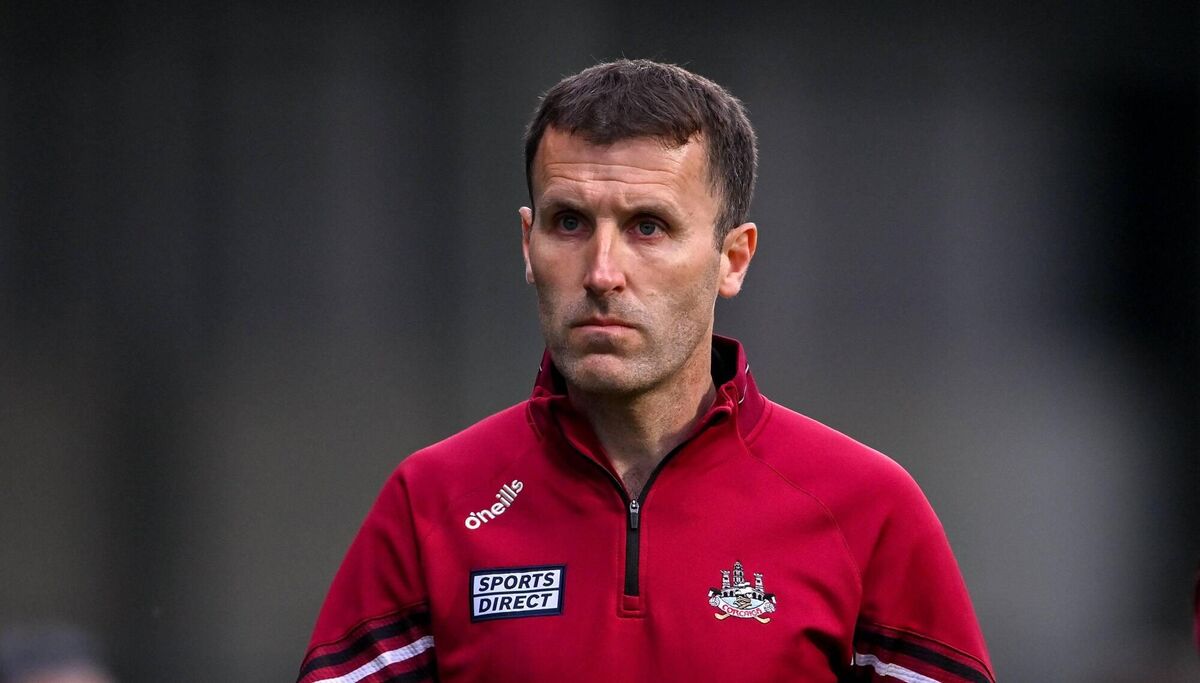
Both Seán Desmond and Colin O’Brien showed flashes of what they’re capable of up front, while Tom Hanley chipped in with a well-taken point and did a solid job in the half-back line.
Twomey’s distribution from centre-back stood out, clubmate Ciarán Doolan also did plenty right in the full-back line.
From the bench, Brian O’Sullivan looked comfortable, clipping over two frees, former Cork minor Jayden Casey got on a few possessions, and Matthew Barrett finished his night with a tidy late point.
Casey, Barrett and Barry O’Flynn – all still very young – are unlikely to feature prominently again this year, but this outing offered valuable exposure. Clearly O’Connor’s keeping one eye on the long-term picture.
There were growing pains, especially in the early stages of the game.
Cork suffered from a lot of misplaced passes and mix-ups in communication, something that would naturally be put down to the variety of players who would not ordinarily line out alongside one another.
Shooting efficiency was also a big issue for Cork throughout much of the second half, while the only real goal chance the Rebels produced through Jack O’Connor in the first period was well saved by Colin Ryan.
With Cork’s Fitzgibbon Cup contingent set to return for Monday night’s meeting with Clare, the team will shift again, offering O’Connor another opportunity to rotate and assess.
But irrespective of the outcome there, too, the focus was and still is the start of the National Hurling League.



 App?
App?


