What lessons can Cork hurlers take from 2000 and 2005 All-Ireland final comebacks?
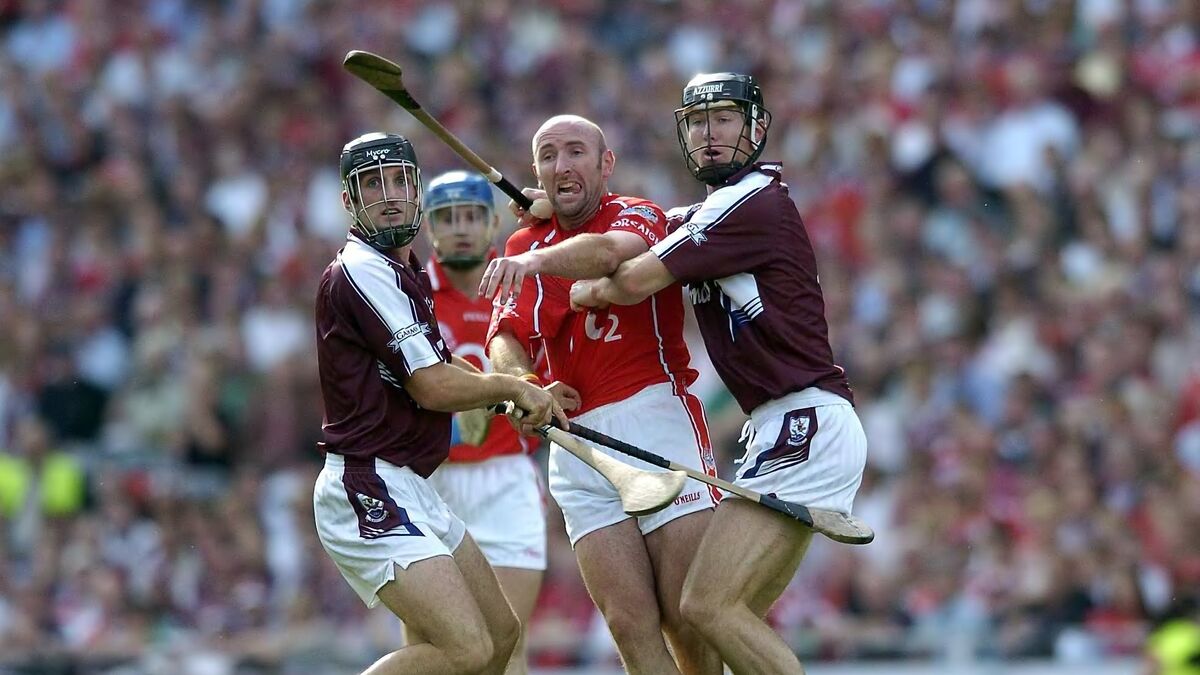
Cork's Brian Corcoran is caught between Fergal Healy and Tony Óg Regan of Galway during the 2005 All-Ireland final at Croke Park. Picture: Dan Linehan
For the first time in modern history, hurling has produced back-to-back losing All-Ireland finalists one after the other.
After Kilkenny’s consecutive defeats to Limerick in 2022 and '23, Cork have fallen short in the past two years.
But as the dust settles on the Rebels’ second-half disaster against Tipperary, their fans' despair turns towards the tremors that may radiate into next season.
Does a double All-Ireland defeat inflict long-term damage? There’s certainly a danger of this team, should they fail to make the breakthrough, being defined by this loss. After all, there’s a fine line between a coming team, standing next in line for Liam MacCarthy, and one that has missed its window of opportunity.
It could go either way. League and Munster titles represent strong progress. The general age profile and underage All-Irelands between 2017 and ‘23 should provide a strong foundation.
But the manner of their Croker calamity leads to questions over whether this may prove a mortal blow to this team. The Mayo jokes have already been infiltrating group chats across the week. There’s only one way to mute them for good.
The phrase goes that sometimes you have to lose one to win one. Where does losing two come into the equation?
Cork are the 16th team to suffer back-to-back final defeats in the All-Ireland history books.
Of those, four returned the next year to reach a third consecutive final. No team has ever lost at that juncture, with all four overcoming old failings to become champions.
This is the third Leeside outfit to lose two finals in a row. Their two predecessors advanced to very different fates.
The one many readers will remember centres around the GAA’s centenary year.
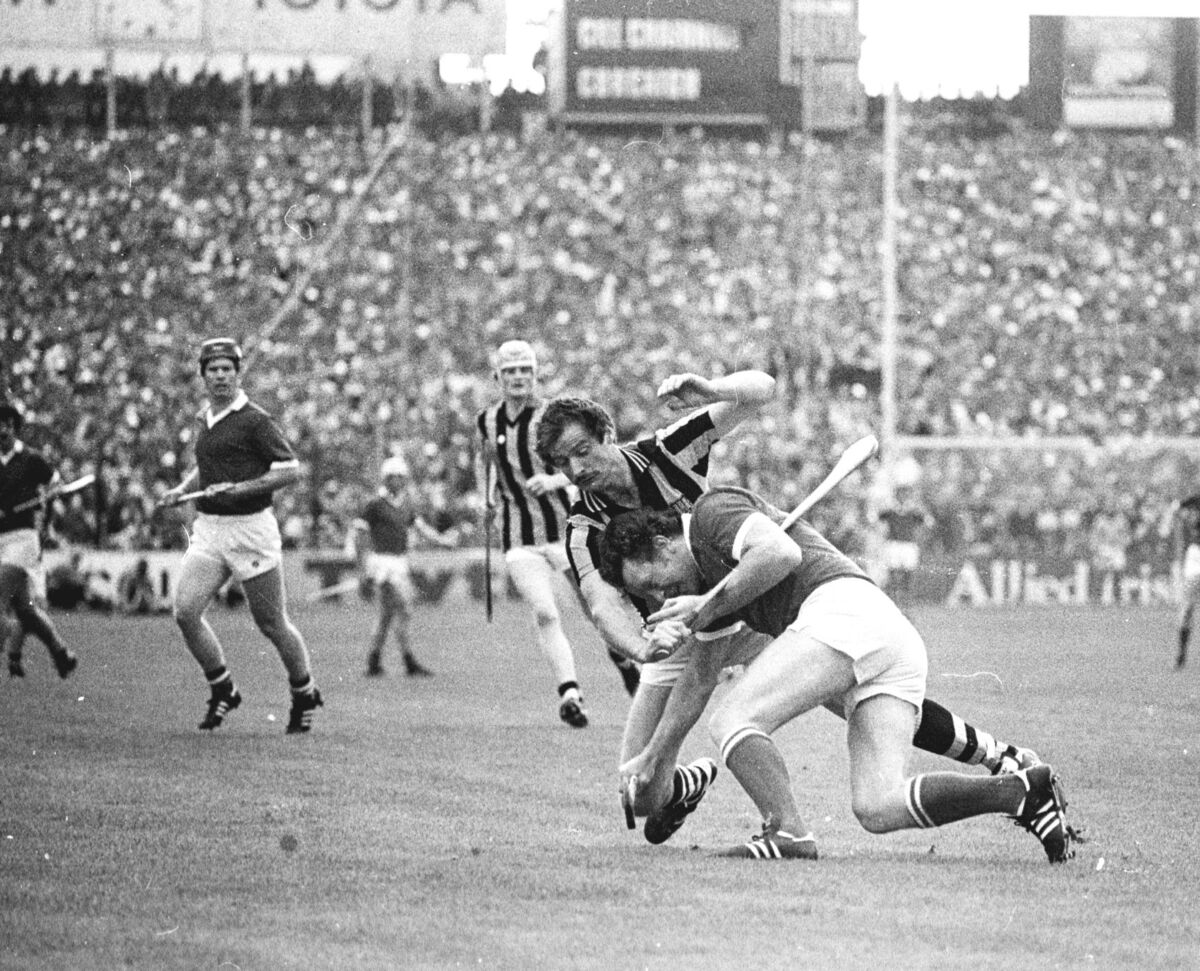
In 1982 and ‘83, Cork had suffered repeat defeats at the hands of Kilkenny.
They didn’t appear to be a whole lot closer in '83 until a late fightback brought them within two points before the final whistle sounded.
Crucially, they could claim some sense of progress to carry into '84, where everything fell into place.
Their old feline foes were taken out in Leinster, and Cork did the business with a late goal burst to topple Tipp en route to a famous victory over Offaly in Thurles.
By contrast, back in the 1904 and '05 finals, Cork’s defeats were of the close and controversial variety. The three-in-a-row chasers were defeated by the minimum against Kilkenny at Carrick-on-Suir in their first loss.
Then, they celebrated victory the next year until a Noreside objection to the eligibility of Cork keeper Daniel McCarthy, a British Army reservist, saw the game declared null and void. In the replay, Kilkenny won handsomely by 13 points.
Cork, having contested five successive finals, winning two, looked well placed for further glory. However, they would endure their longest absence from the All-Ireland rostrum until the current drought.
The wait extended until the Blood and Bandage team of 1919 beat Dublin, led by their goal-scoring captain Jimmy Kennedy. There is a similar variation in how other counties have fared after back-to-back disappointments.
It has happened to Wexford twice in their history. Those teams faded away and, coincidentally, both took 19 years to reemerge and capture All-Irelands, including their most recent in 1996.
Galway endured that fate repeatedly with final losses in 1924, '25, '28, and '29. They wouldn’t cross the last hurdle for another half-century, reawakening in 1980.
The next Tribesmen success came more swiftly after more back-to-back heartbreak in 1985 and '86. They rebounded to do the double in the next two years.
When it happened to the famous Tipp team of the '60s, they recovered to win again three years later before entering their famine stage.
The reasons behind London and Dublin’s declines after consecutive losses go beyond the hurling field. Both of their glory days were achieved with external arrivals, while London were only briefly parachuted into the closing stages of the championship in the 1900s.
Kilkenny have gone through such double blows on five different occasions. They recovered quickly in 1939, 1947, and, most recently, in 2000. That title marked Brian Cody’s first of a golden era which followed.
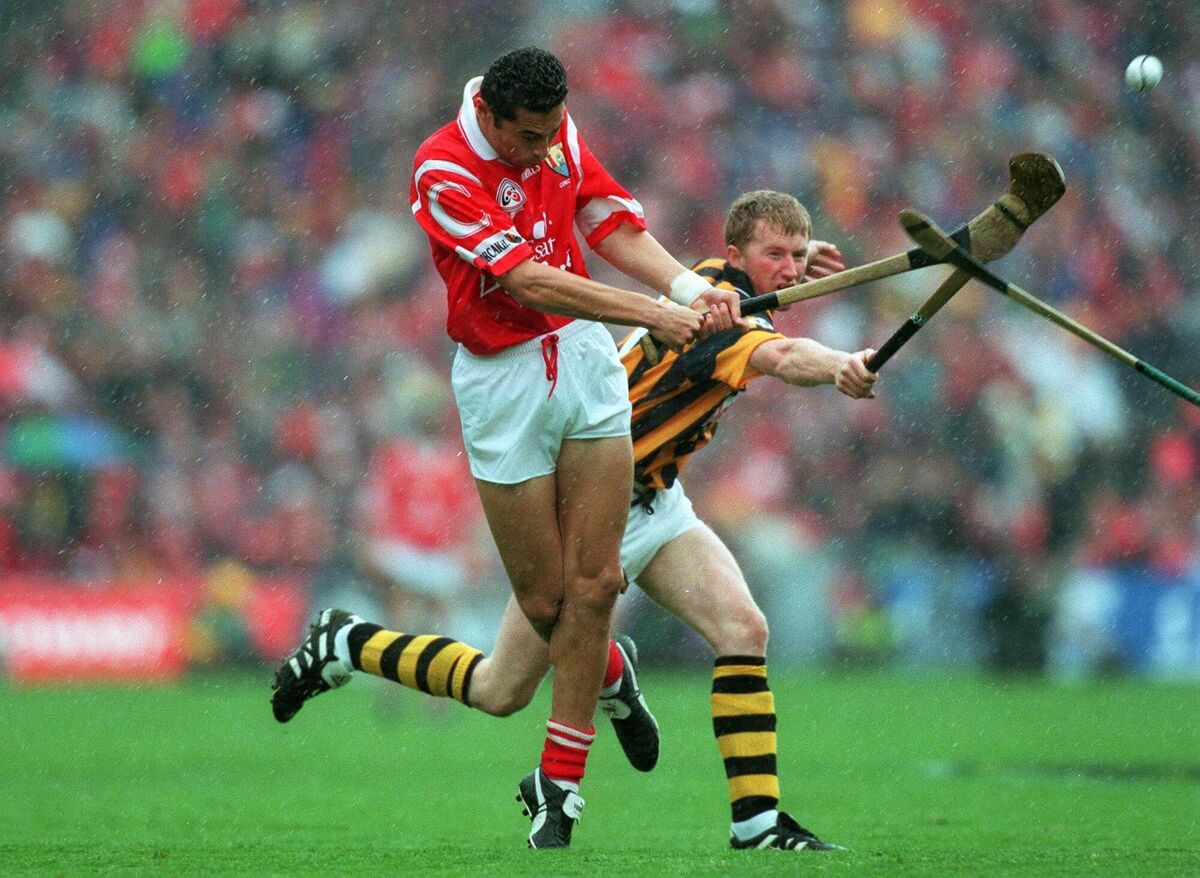
The current litter of Cats find themselves in a similar situation to Cork.
Those traditional powers aren’t far off the mark, but serious questions remain over their capacity to take that final step, their veteran attackers’ futures, and those of their management teams.
That is perhaps the biggest mental block they must overcome to reach the promised land.









 App?
App?


