Cork v Tipp: Does a big semi-final win impact on All-Ireland final day form?
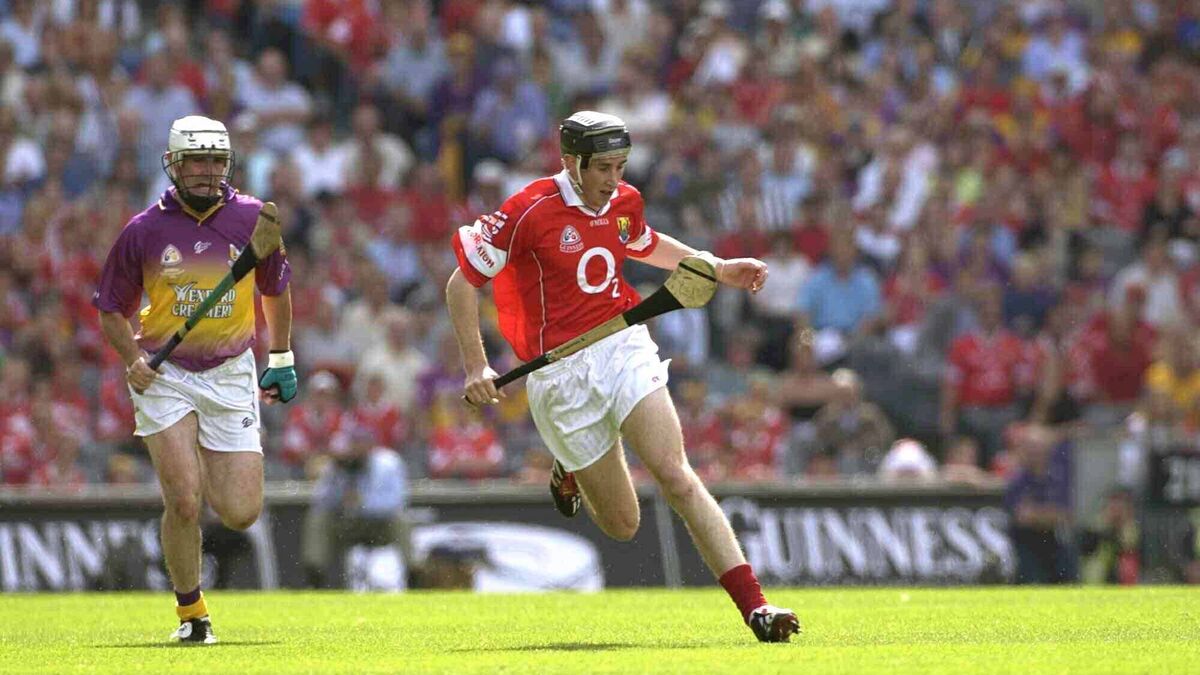
John Gardiner in action against Wexford's Paul Codd, in the 2003 semi-final replay which Cork won well before losing the final after. Picture: Ray McManus/SPORTSFILE
For all the science that goes into preparing teams, the turnaround between semi-final and final remains something more inexact.
How can you measure momentum? How do you account for nerves? How do you ward off overconfidence?
There was plenty of chatter surrounding Cork’s 20-point semi-final demolition of Dublin.
Just looking at the weekend’s Club World Cup, PSG entered on the crest of a wave. Including the Champions League final, they had scored 21 goals and conceded once in their previous seven games.
They rattled four past Real Madrid in a semi-final which was over within 24 minutes. Yet the shoe was on the other foot when Chelsea took them for three in the first half of the showpiece event.
In a hurling context, we turn to the record books to examine semi-final results and final outcomes from 1997 onwards.
Since the introduction of the back door that year, those final-four contests became more consistently rigorous examinations.
As it happens, the team with the biggest semi-final victory since then did not prevail in the final.
Tipperary were 24-point winners over Limerick in 2009, but fell to a final defeat against four-in-a-row-chasing Kilkenny.
Still, it couldn’t be said that Tipp didn’t perform in that final. The 14-man underdogs led until a late penalty sparked a two-goal salvo that rescued history for Brian Cody’s Cats.
Cork won it both ways when they achieved back-to-back titles in 2004 and ‘05.
Their 2004 semi-final victory over Wexford was a complete blow-out as the O’Connor twins outscored the Model men on their own. The 1-27 to 0-12 trouncing was only alleviated by a series of Damien Fitzhenry saves. Hailed for being “as close as to a perfect performance as one could expect”, Dónal O’Grady’s side backed it up in the final by derailing Kilkenny’s three-in-a-row bid.
The following summer, they had to dig it out from six points down against Clare to triumph through Jerry O’Connor’s winning point. John Allen’s men did the business in the final, too, dispatching Galway.
Tipp’s best final performances have tended to follow semi-final battles. In 2016, they edged Galway by a point. In ‘19, they fought past Wexford with 14 men. That display jumped to mind as they saw off Kilkenny after Darragh McCarthy’s red card. Both of those years ended with comfortable final victories over the Cats.
In 2001, Tipp were brought to a replay by Wexford, which they won by 11, before laying waste to Gaway in the final.
In 2014, when the Premier overturned Munster champions Cork by 10 in the counties’ only previous championship meeting at HQ, they lost a final replay to Kilkenny.
In their all-conquering era, Kilkenny translated double-digit semi-final hammerings against Tipp into silverware in 2003 and ‘12. They also blasted past Wexford en route to the ‘07 title. But when they inflicted similarly hefty defeats on Cork in 2010 and Clare in 2022, they came up short in the finals.
Waterford also beat the numerically disadvantaged Rebels by 11 in 2017, but couldn’t carry on to make their breakthrough in the final.
The other dominant team of recent times, Limerick, have usually come through stringent semi-final tests before saving their finest work for the final.
That rare feat of double-digit semi-final and final victories was technically matched by Kilkenny in 2012. In reality, they required a replay before securing the trophy.
On the other hand, no team in our sample that dished out a heavy semi-final beating was themselves hammered out of the gate in the final. Win your semi well and you’ll certainly contend strongly for ultimate honours.
Taking those 29 years in the round, five teams have administered semi-final thrashings and been turned over in the final. But six times, teams have carried on that momentum to lift Liam MacCarthy.
It’s pretty 50-50 all round. Since '97, the eventual All-Ireland champions have won their semi-finals by an average margin of six points. The runners-up have won their semi-finals by an average margin of five.
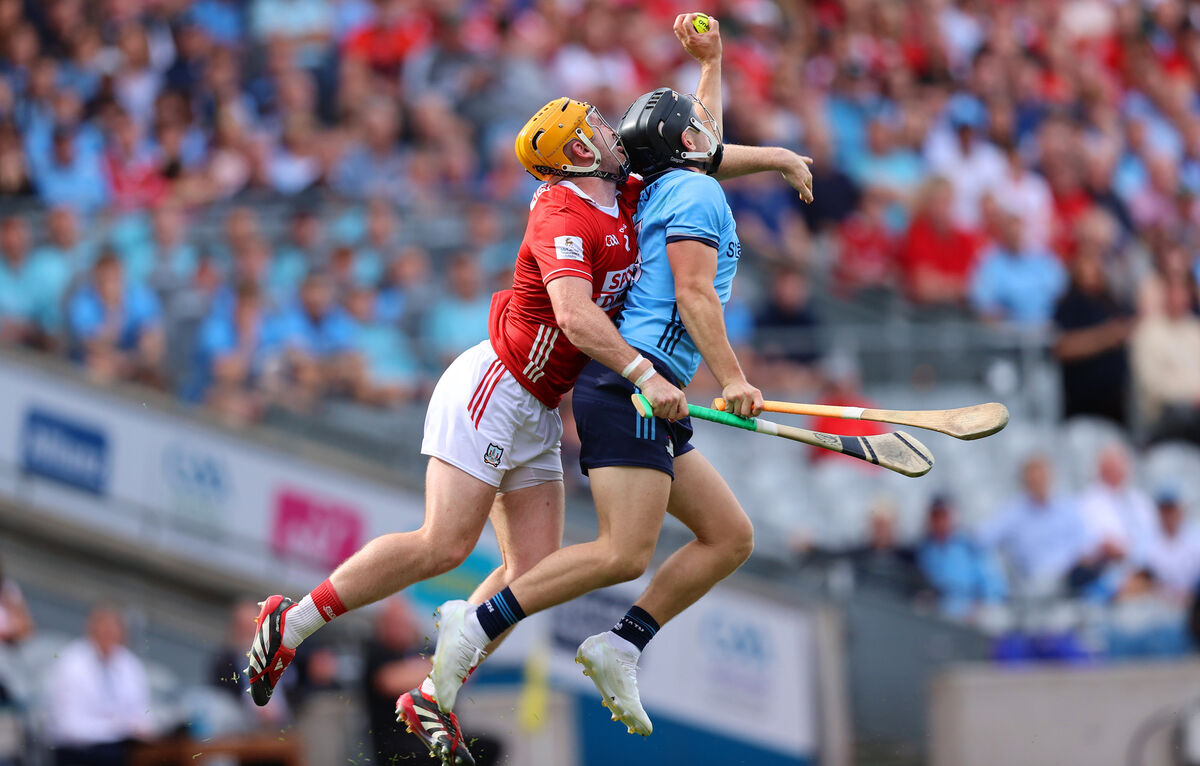
Statistically, Cork shouldn’t hold any fear because they won a no-contest semi-final. It doesn’t have to be an impediment in the decider. But it’s certainly no guarantee of success either.










 App?
App?


