Christy O'Connor on the history of All-Ireland hurling quarter-finals: We're overdue a cracker
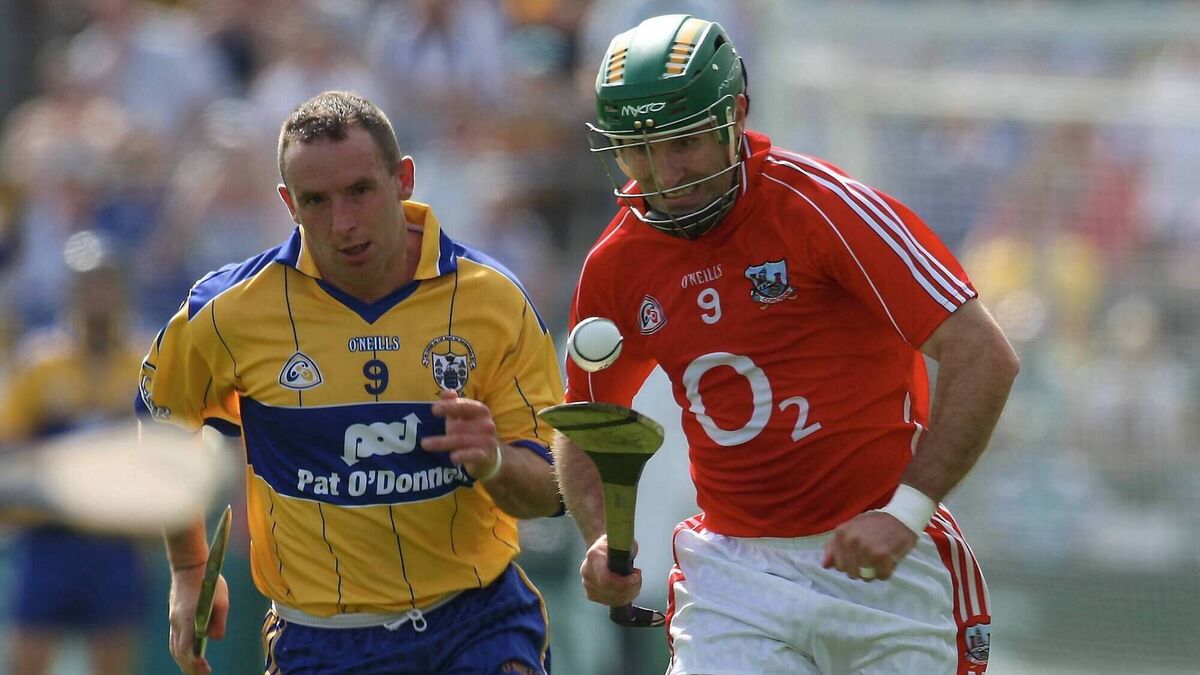
Cork's Jerry O'Connor and Colin Lynch of Clare in action in the classic 2008 All-Ireland hurling quarter-final. Picture: INPHO/Lorraine O'Sullivan
For a brief period towards the end of the second quarter in last year’s Clare-Wexford All-Ireland quarter-final, the match combusted into a blaze and, suddenly, anything looked possible.
And then, almost as quickly, that feeling began to fade and all hope of a contest had been extinguished early in the third quarter.
Clare were by far the better side but circumstance still altered the direction the game took. At a time when Wexford had all the momentum and impetus, they were reduced to 14 men, which was all the more catastrophic again when Rory O’Connor had been their most influential player up to his sending-off just before half-time.
The sending-off does offer more context to a 12-point beating but it could have been far worse only for some outstanding goalkeeping from Mark Fanning.
O’Connor’s loss was critical in the sense that it was as much a psychological than numerical blow. As well as stalling Wexford’s momentum, O’Connor’s red card also sucked the energy out of the supporters. For most of the second half, the atmosphere in Semple Stadium was dead.
Although the Cork-Dublin curtain raiser was a far tighter match, which Cork only won by five points, the atmosphere was also muted for most of the 70 minutes, only coming alive in the dying minutes when Dublin laid siege to the Cork goal, creating four late goalscoring chances.
In any case, the late drama seemed at odds with the tone and temper of a game that resembled a poor league match for long periods.
Should that have been a surprise? Not really when the All-Ireland hurling quarter-finals have long carried an air of suspension around atmosphere and expectation.
Teams are only two games from an All-Ireland final but the quarter-finals still often feel like adjourned territory. An interrupted act about to be resumed.
And yet, why should it feel that way? Unless the defeated provincial finalists are coming into the match after shipping a bad beating two weeks earlier - as Dublin were last year - most of the teams involved arrive into the quarter-finals with a renewed degree of hope and expectation.
The teams which finished third in Munster and Leinster have had a chance to refresh, recharge, recalibrate and go again after the hectic round-robin schedule. Yet, similar to the defeated provincial finalists, they are not sure where they fully stand. And neither are the supporters.
The pressure is ratcheted up even more now that it’s knockout championship. And that tension and insecurity adds to the anxiety of the atmosphere on the day.
Munster’s dominance since the introduction of the round-robin has also been a factor in the quarter-finals failing to catch fire, or capture the public’s imagination more than it should.
Those three wins for Leinster sides were all narrow victories but Galway’s victory against Cork in 2022 was a match that Cork threw away after missing a bag of goal chances.
The third-placed teams also have a desperate record in this fixture, having won just two of those 10 games against the defeated provincial finalists; Limerick’s victory against Kilkenny in 2018, and Cork’s win against Dublin last year. Tipp did beat Laois in the 2019 quarter-final but Laois were the Joe McDonagh champions that year before taking out Dublin in the All-Ireland preliminary quarter-final.
TV scheduling commitments have also been a factor in the quarter-finals feeling like an outlier so close to the business end of the summer. Staging two of the last three All-Ireland quarter-final double-headers on a lunchtime and early Saturday afternoon slot (in 2022 and 2024) vastly reduced the game’s wider profile, but it was also highly disrespectful to the hurling community.
With Galway-Tipperary and Dublin-Limerick now facing off at the weekend, will one of those games finally provide more drama than the All-Ireland quarter-final billing has promised, but just hasn’t consistently delivered?
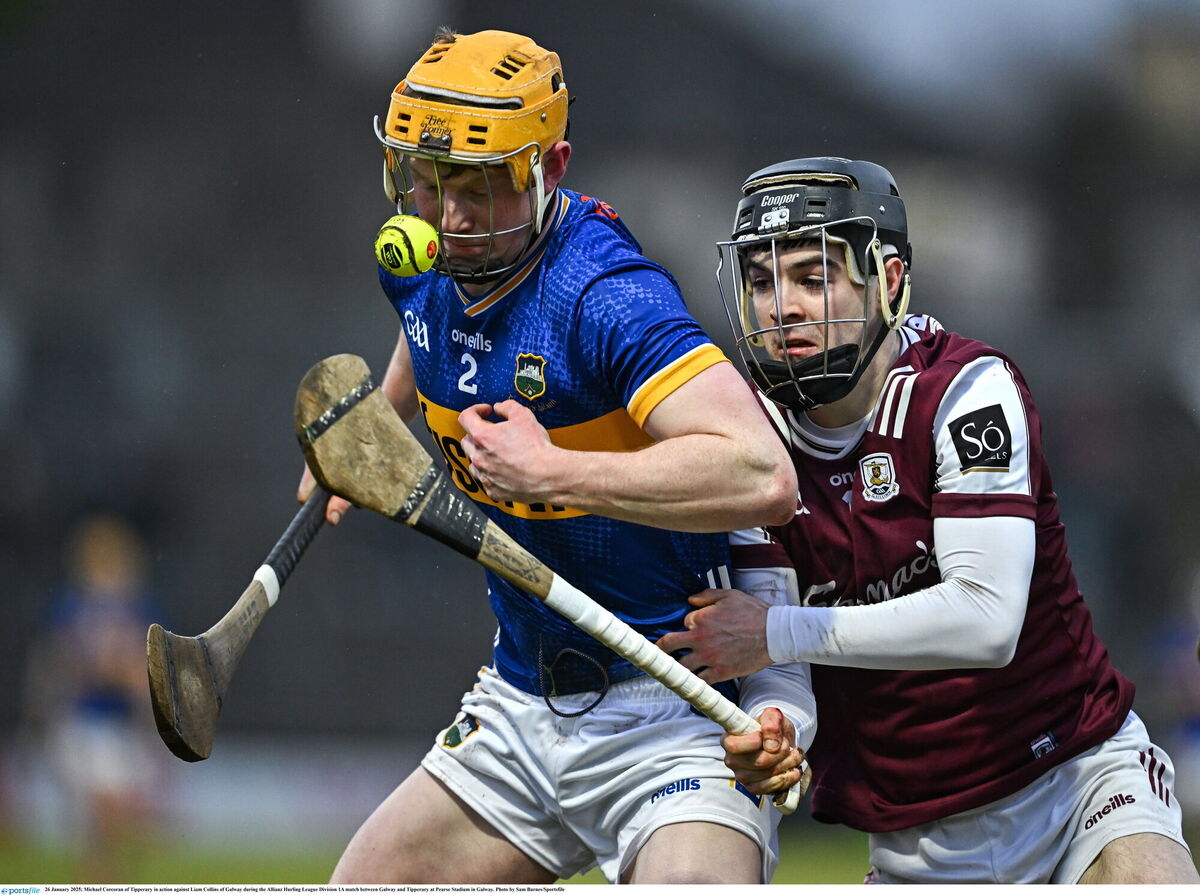
At least the standalone fixture works better in terms of atmosphere and the whole experience around the quarter-finals. Because the double-header hasn’t been working for a long time now.
It's been really noticeable in recent years when the majority of supporters of the losers of the first game are gone after the final whistle, while most of the supporters of the winners only wait for the first half of the second game.
Midway through the second half of the Clare-Wexford match last year, when Clare were cruising and Wexford just wanted the match to end, Semple Stadium felt vacant and lifeless.
Hard and all as it is to believe, the All-Ireland hurling quarter-finals have been consistently running now for 55 years, having been reconstituted in many different forms. The first quarter-finals were actually played in 1905, when Kilkenny beat Lancashire and Antrim beat Glasgow.
There were only four more years when quarter-finals were played before the All Ireland B competition was established in 1970, which permanently introduced quarter-finals to the calendar over the following few decades, until the format changed again in the qualifier era.
In the last 30 years, there have been some classic All-Ireland quarter-finals; Galway-Kilkenny (1997), Galway-Clare (drawn match 1999), Clare-Galway (2002), Clare-Kilkenny (drawn match 2004), Cork-Waterford (draw and replay 2007), Clare-Cork (2008), Galway-Tipperary (2010), Limerick-Kilkenny (2018), Tipperary-Waterford (2021).
The stakes are still as high as ever at this stage of the competition but the format is different now since the introduction of the round robin. After every team has been slugging it out in April and May, the All-Ireland quarter-finals in June offer renewal and redemption.
And a whole new level of opportunity.








 App?
App?


