Munster hurling format needs tweaking but allowing four counties qualify would ruin it
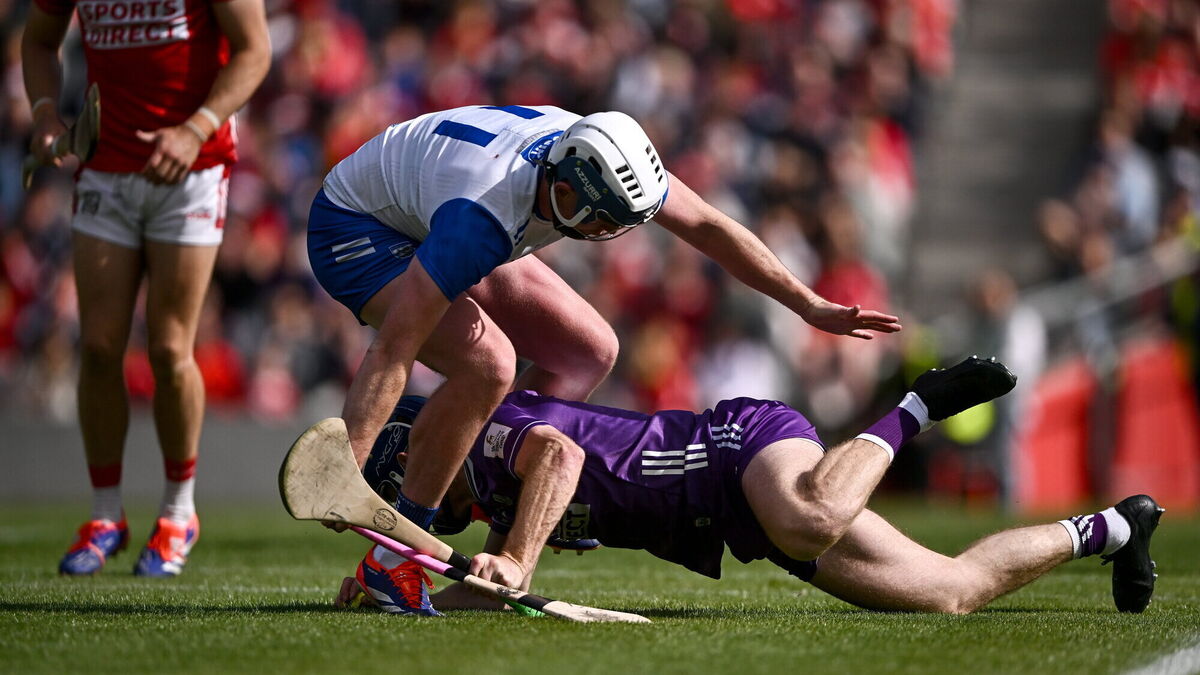
Cork goalkeeper Patrick Collins is tackled by Stephen Bennett of Waterford. Picture: Piaras Ó Mídheach/Sportsfile
The experience of tinkering with the All-Ireland Football Champoinship should give the GAA cause for caution over current suggestions for a Hurling Championship revamp.
The group-stage format is bubbling away nicely at the moment. Sam Maguire contenders Donegal and Galway are among those battling to recover from losing starts. Derry, Mayo, and Roscommon are in the same boat.
Cork are facing a crucial rematch against Kerry to raise their prospects. Win or lose, a final round do-or-die clash with the Rossies looks likely.
In effect, it’s a reverse change to the Cork championships’ evolution; abolishing groups and returning to a two-losses-and-you’re-out structure.
It would appear that not all managers are fully apprised of the upcoming change.
“I'd be more in favour of what's happening next year; two come out of the group and at least the teams going into the quarter-final would have an even preparation,” said John Cleary recently.
That would be the common-sense fix. If the group stage does not contain enough jeopardy, increase the cut-off point to two teams qualifying.
Under that tweaked system, Cork would have knocked out Mayo in 2023 with their famous Gaelic Grounds victory. Westmeath and Kildare would’ve eliminated Tyrone and Monaghan that same afternoon under those rules.
Talk about drama… Some backers have praised the backdoor reintroduction for removing unwanted scenarios. No team can lose three games and still advance to the knockout stages.
The benefit of four teams qualifying from the provincial championships would be a couple of higher-quality preliminary quarter-finals. But what would be the cost?
The bottom-ranked team in Munster has never accumulated more than two points.
That was achieved by Waterford in 2023 and '25. In 2018 and '24, the bottom team ended on one point. In 2019 and '22, they finished on zero.
So the magic number to progress to the All-Ireland series would become three points, rather than the target of five Pat Ryan set for his side.
Had that been the structure, Cork’s progress would have been safe before the final-round clash with Waterford. Ryan could’ve opted for eight changes, if he so wished, as John Kiely did up in Limerick.
What would that do for competitiveness?
In 2023, Cork, Limerick, and Tipperary all diced with missing out on the final day before the Rebels’ exit was confirmed.
If four teams were advancing, those final-round games would have been dead rubbers.
Back in 2018, Tipp would’ve advanced to the All-Ireland series without winning a single game. Their record of two draws and two defeats would’ve trumped Waterford’s one draw and three defeats.
The most exciting finish to any provincial championship came in Leinster in 2019. That summer, four teams finished on five points, with Galway eliminated on score difference.
Were four teams to progress, the final three games would all have been dead rubbers. Equally, Dublin’s knock-out of Galway last year wouldn’t have mattered.
In fact, Leinster would’ve become a total procession, producing the same four qualifiers in each of the six editions under the round-robin format.
The All-Ireland Minor Hurling Championship has adopted four qualifying teams since last year. In Munster this term, the final four games were all dead rubbers as far as All-Ireland qualification was concerned.
The difference at that age grade, ever since the matches were removed as senior curtain raisers, has been a switch in focus to development rather than fan spectacles. Those preliminary quarter-finals were played out in front of small attendances at Semple Stadium last Saturday.
Arguments urging for Lee Chin and Tony Kelly to be given more of a shop window often omit the 11 weeks of National League hurling which preceded the championship. And the club season that follows it.
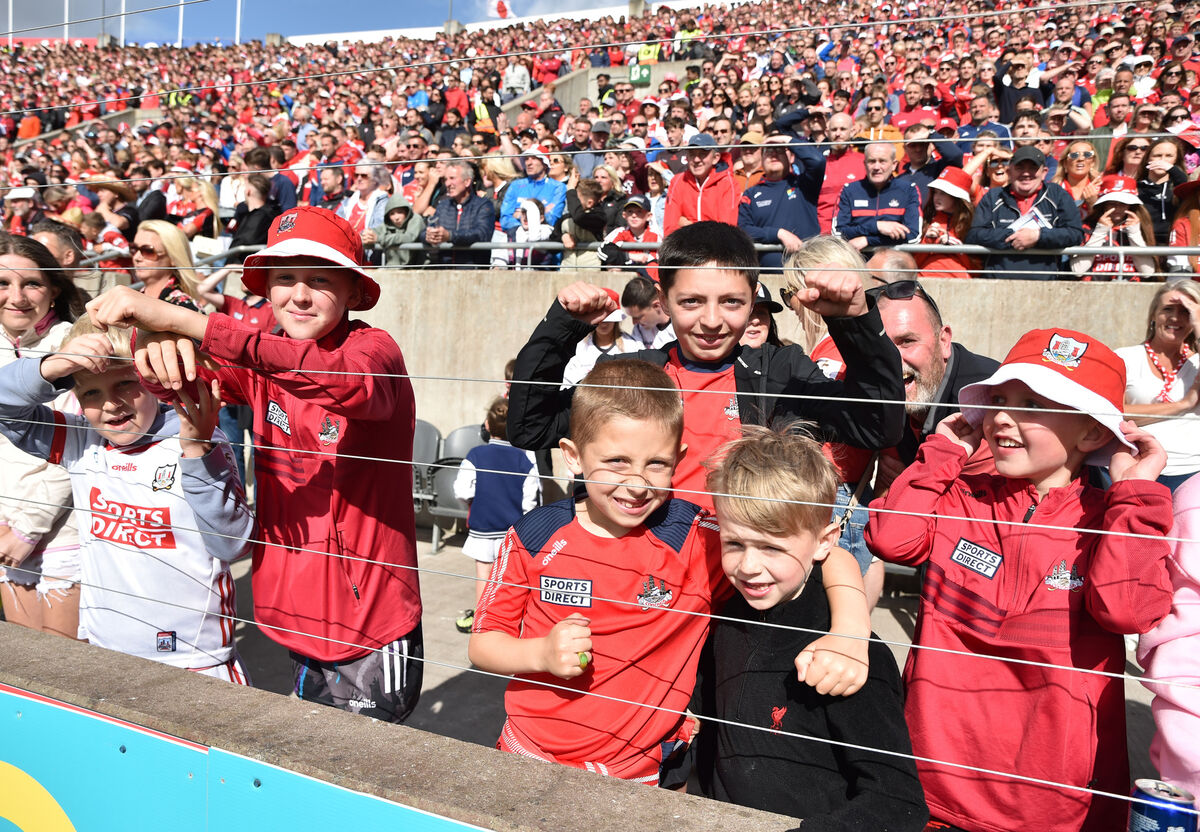
Cork’s four home League games attracted over 27,000 spectators on average.
Adding in their two championship matches, almost 200,000 people have passed through the SuperValu Páirc Uí Chaoimh turnstiles this year.
The issue isn’t the structure. (Apart from the Joe McDonagh backdoor, which would be best abolished to extend their own competition further into the summer months.)
But where Peter Queally has a point is the rushed nature of the competition. The Munster Championship was run off in 36 days.
Were there an extra week or two, it would do the competition the world of good to eradicate the six-day turnarounds.
Where you would find that wriggle room in the calendar is another matter entirely.










 App?
App?


