Munster SHC: How Cork's round-robin stats compare to the rest
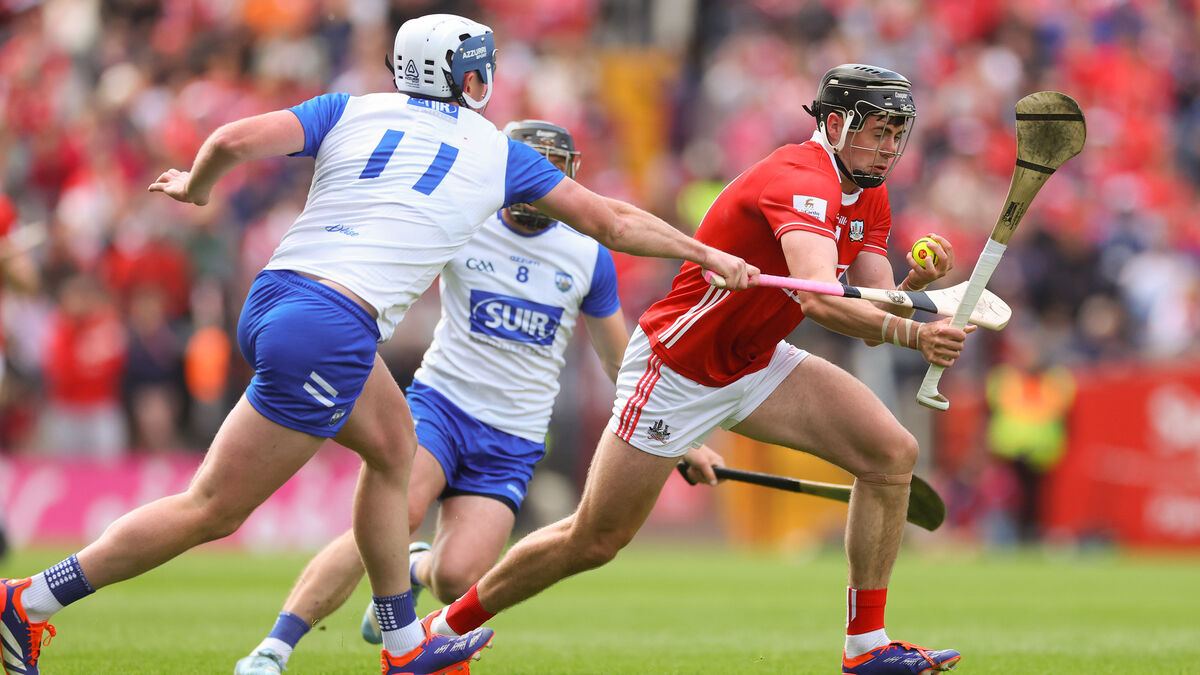
Cork's Darragh Fitzgibbon tries to get away from Waterford's Stephen Bennett during Sunday's clash at SuperValu Páirc Uí Chaoimh - both played every minute of the round-robin. Picture: Inpho/James Crombie
Having yesterday crunched some of the number relating to Cork’s round-robin campaign in this year’s Munster SHC, today we will try to apply a layer or two of context by looking at them in comparison to the other four counties involved.
Obviously, there is an element of the statistics being skewed by the fact that last Sunday’s Limerick-Clare game was immaterial in terms of the final outcome and some of the team selections reflect that, but the big picture can still be analysed.
For instance, the lack of the usual championship fervour around that game at TUS Gaelic Grounds contributed to Limerick not having a single player with a full house of 280 minutes – Mike Casey came closest with 277, having been withdrawn late on against Cork – while Clare had just three.
Cork, Tipperary and Waterford, who all went into their last matches needing to win to qualify had six, five and six such examples respectively.
One of that Cork sextet was Darragh Fitzgibbon and he was the only Rebel player to start matches in two different lines of the field – half-forward for the first three outings and back in midfield for the Waterford clash.
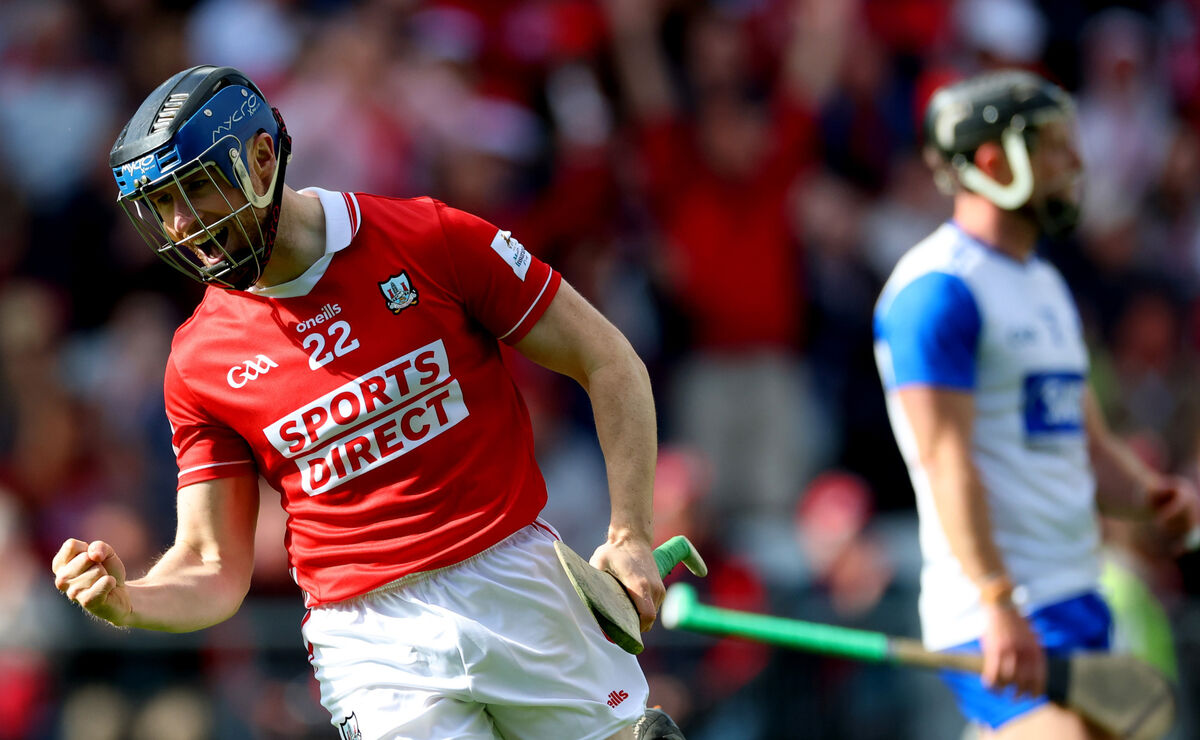
That number is well below most of the others – Waterford had six players to do so, Tipperary five and Limerick four, with Clare also having just one (Peter Duggan) – but it doesn’t necessarily mean anything bad. It could be argued that Cork’s depth is such that the management can afford to avoid having to round pegs in square holes.
Of the 17 players to rotates, just two of them had moves of greater than one line: Limerick’s Kyle Hayes (half-back and half-forward) and Waterford’s Gavin Fives (full-back and midfield).
Limerick’s raft of changes for the Clare game put them top of the charts for players used with 27. Even so, that was only just ahead of Cork’s and Clare’s 26, with Tipp on 25 and Waterford 23. Such a figure can be misleading given that an ever-present with 280 minutes counts the same as a blood sub thrown in for 30 seconds, and so number of different starters can provide slightly more insight.
In that regard, Cork had 19, a figured bumped up by the inclusions of Ger Millerick, Cormac O’Brien and Brian Roche for the Waterford match after the other three games had only seen one alteration per match, each time in the half-forward line.
Limerick had 23, albeit with six for the last match; Clare had the same figure, with four starters coming in against their neighbours. Tipp had 22 with Waterford also on 19. The Déise and Cork were the only counties to have ever-present goalkeepers, Billy Nolan and Patrick Collins, though again Shane Dowling of Limerick and Eamon Foudy of Clare were final-day changes.
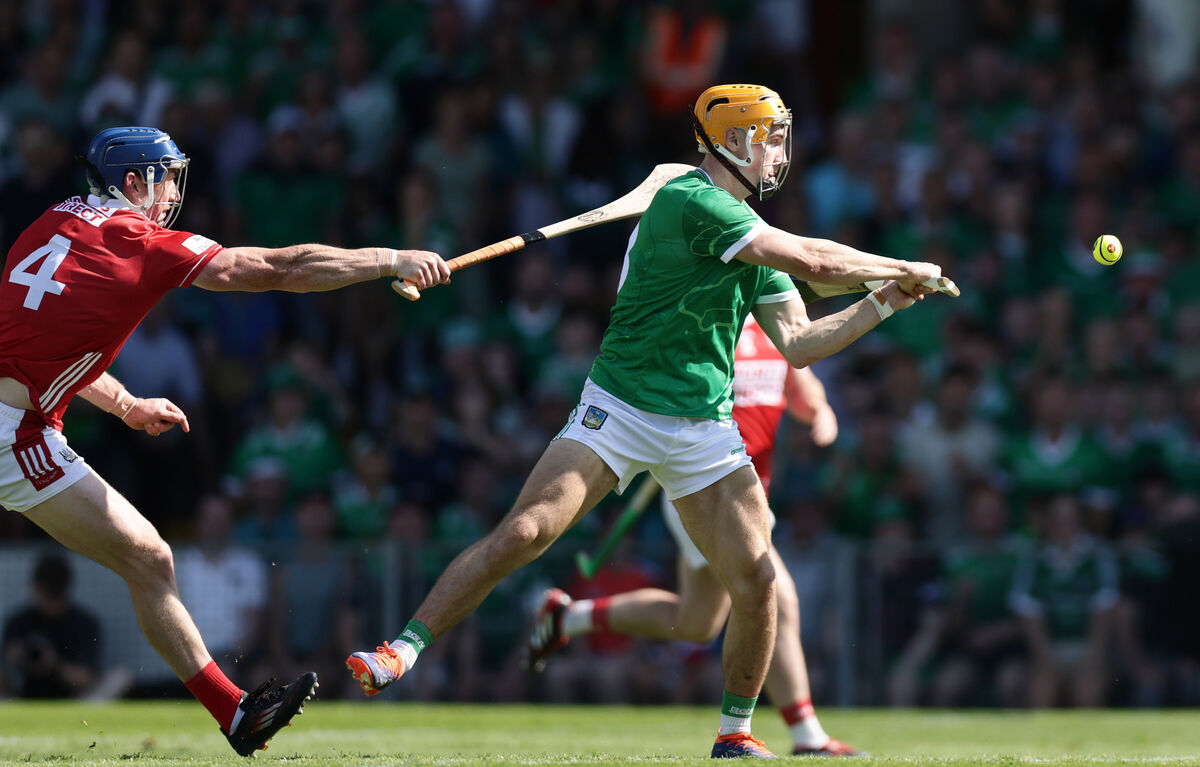
Cork, Limerick and Tipperary each had 17 scorers, Waterford 16 and Clare 13, but, again, a point in dead time of a big win or loss is not the same as a match-winning 2-3.
In terms of having players score in every match, Cork and Clare had three each with the other counties having four each. Of the players to do so without scoring a dead ball, Cork’s Brian Hayes (3-9) edged Limerick’s Adam English (2-8) – though John McGrath was the overall top scorer solely from open play, grabbing 4-7 despite being held scoreless against Cork.
And perhaps most impressively, another Tipp man, Eoghan Connolly, managed to register in every match despite operating in the full-back line, nine of his 0-11 from frees.





 App?
App?


