William Maher ready for wide-ranging remit as GAA's new head of hurling
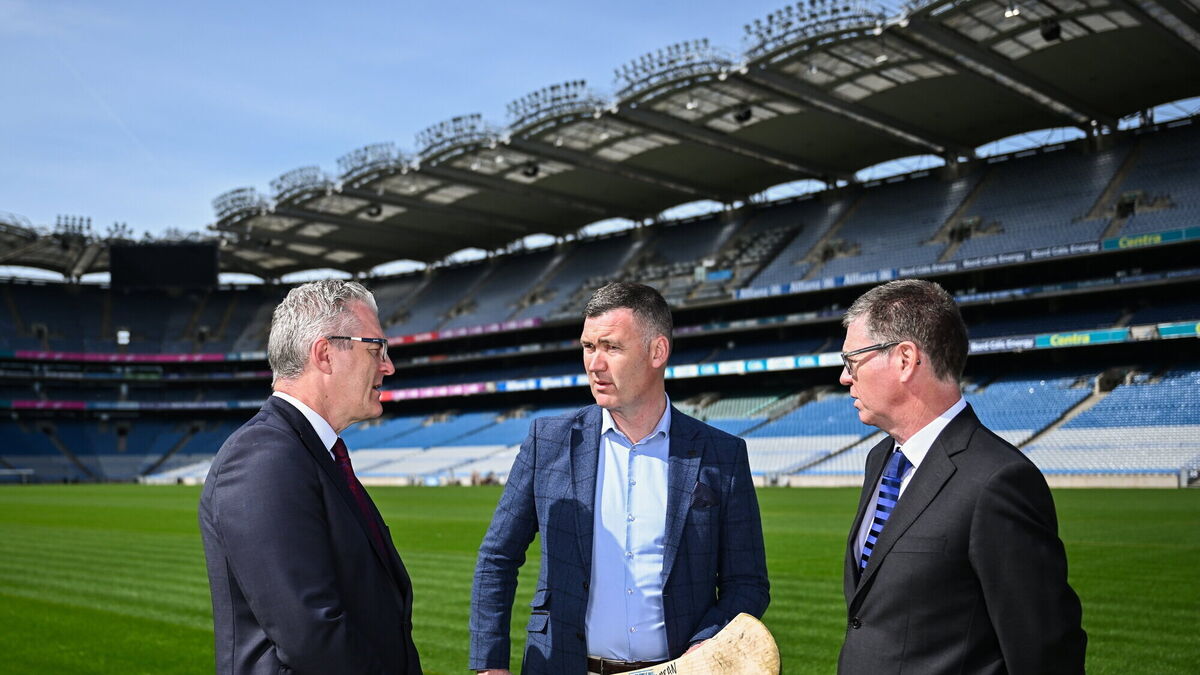
The GAA's new national head of hurling William Maher, centre, with with president Jarlath Burns and director general Tom Ryan at Croke Park. Picture: Piaras Ó Mídheach/Sportsfile
The new GAA national head of hurling has highlighted the need to take a tailored approach for different areas, keeping strong hurling counties strong as well as helping developing ones.
Previously, Paudie Butler as national hurling director and Martin Fogarty as national hurling development manager had roles that were primarily focused on helping weaker counties.
While that is of course part of William Maher’s remit as he starts off in the new job, there is a strategic approach that is intended to benefit all.
“This is the head of hurling nationally,” he says.
“So, whether you're in Donegal and trying to develop the name at that level, or what we’d call the middle-ranking counties, we have to plan for that.
“Then, obviously, being a Tipperary man living in Kilkenny, I’m very aware of what's happening within the games development and hurling development within those counties.
“Even before I started, I had someone from Carbery in West Cork get in touch to see what my job entailed and how I could help.
“It's a different tailored plan for each area, because, getting into some detail with regards to our own demographics and what we've kind of learned in the last while, we need to plan accordingly for your rural jobs in the country, and then obviously the urban centres and the east coast as well. So, it's all encompassing.
“One plan will not fit all here. It's trying to deliver through a county development plan for individual areas, and working with those counties to actually operationalise it through a year or two or three.
“You’re trying to put measures on what we're going to achieve and holding ultimately people to account as regards to provincial councils, to county boards, just making sure that we're all doing the one thing as regards hurling development, and we're working off the same plan as opposed to two or three different plans.”
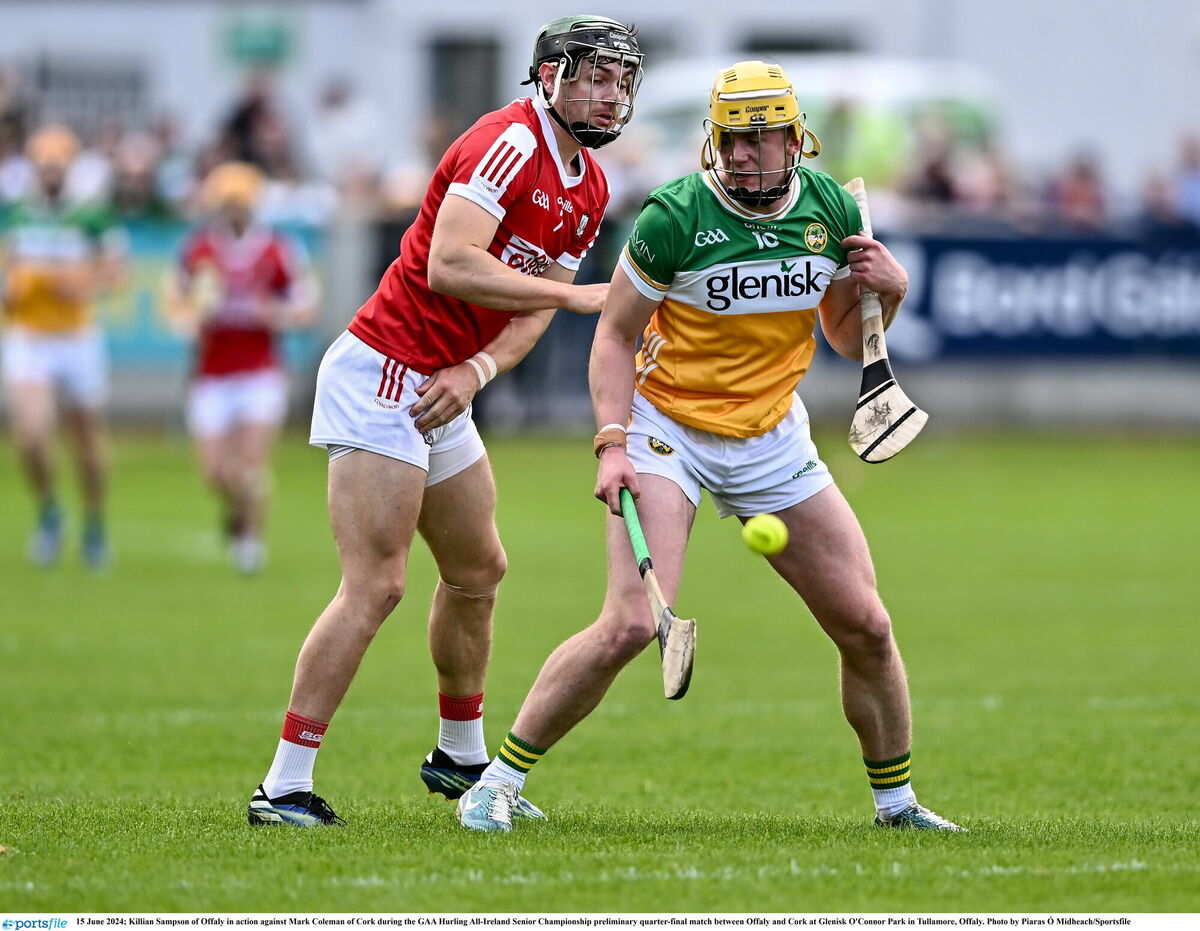
Maher captained Tipp to win the 1996 minor All-Ireland and played at senior level before a freak eye injury forced him to retire in 2002.
Various coaching and selectorial roles brought success with Tipp at minor and U21 level before he became manager of Dublin club side Cuala, guiding them to county titles in 2019 and 2020. From there, he took the Laois job and last year was in charge as they won Division 2A of the Allianz Hurling League.
Such experience will help in the new job. The last county to win a first senior All-Ireland was Offaly in 1981, while the most recent instance of a team outside the top tier reaching the All-Ireland quarter-finals was Laois in 2019.
Maher believes that there is potential for new breakthroughs, but such developments are based on steady growth.
“I think that's very achievable,” he says, “but I think, again, this is kind of a bottom-up, top-down approach.
“So, how do we get more kids ultimately playing the game? How do we put them into a system that allows them to develop over their career from six or seven years of age right through to seeing adult players?
“My experience in Laois has taught me that, if the playing population at adult level is going to be really small, you aren't able to compete at the moment with the top Liam McCarthy teams, or any Liam McCarthy teams.
“I think it's about creating more players. I think you can see Cork have done that and they have had more under-age success and obviously were within a puck of a ball of winning the All-Ireland. The standard is going up, but it's trying to increase that standard across more areas within the country. I'm really excited about it.
“My baseline is I love hurling. I came out of the All-Ireland last year with my daughter going, ‘This is unbelievable stuff!’ and I’d no dog in the fight. We were buzzing for days after.
“This is something that we have that is just magical. The heroes that played that day, again, how do we get them more recognisable in their communities?”
“As well, it’s how do we get this to more kids? How do we get this to more people? That's the overall vision, but that starts from a structured plan of getting more kids started, getting more kids the opportunity to come through, and then we will see new teams coming, if we stick rigidly to a plan.”





 App?
App?


