Dual dilemma: Conor Cahalane has tools to be a major asset for Cork footballers
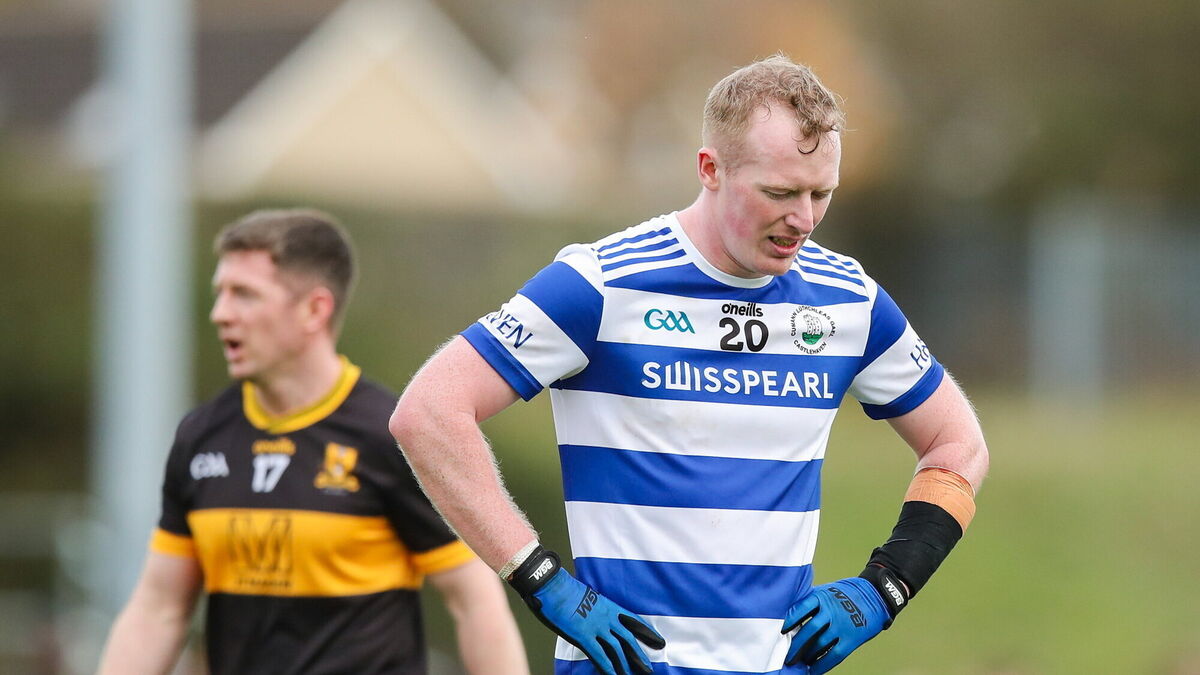
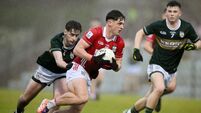
Conor Cahalane of Castlehaven after his side's defeat in the AIB Munster GAA Senior Club Football Championship quarter-final against Dr Crokes. Picture: Michael P Ryan/Sportsfile
Twenty years ago, before their golden era of the early 2010s under Anthony Daly, the Dublin hurlers were in a mess, losing by four goals to Laois in the 2005 Leinster championship and by eight goals to Waterford in the qualifiers.
The manner of those defeats was shocking but there was nothing about losing that was alien to Dublin’s experience at that time either; a year later, Westmeath knocked them out of the Leinster championship. At that stage, Dublin’s best hurler, Conal Keaney, had departed to the footballers.
Keaney was Dublin hurling’s great white hope, but concentrating on football was a more attractive and appealing prospect at that time.
That appeared to mark a turning point in Dublin hurling’s battle for the hearts and minds of their best dual players but it wasn’t - the best dual players continued to choose football; Ciaran Kilkenny, Cormac Costello, Con O’Callaghan.
Choice was everything, especially when the football fields were greener.
Even some of Dublin’s better hurlers often made that calculation, willing to go from definite starters with the hurlers to bit-players with the footballers; Tomás Brady was an excellent hurler who only sporadically played championship with the footballers, but he still won three All-Ireland football medals.
Brady never returned to the hurlers but, along with Keaney, Shane Ryan did. Ryan began his inter-county career as a dual player before committing solely to football, and then switching back to the hurlers in 2010, winning a league title in 2011.
Ryan rerouted to hurling after spending most of the 2009 season on the bench with the footballers. The footballers were gathering pace at that time but Ryan knew that there was a better opportunity for him with the hurlers.
A couple of years earlier, David ‘Dotsy’ O’Callaghan made that same calculation. After scoring 0-5 from play against Offaly in the 2004 Leinster hurling semi-final, O’Callaghan decamped to the footballers for the following season.
Still, the early interest the footballers had shown cooled over time and O’Callaghan was only a peripheral player for the next couple of seasons. After the 2007 league, O’Callaghan quit. And the hurlers were glad to welcome him back.
In the long history of players playing hurling and football at inter-county level, the decision to switch codes, as opposed to trying to play both (which is not possible anymore), has always been based on circumstance; players feel they have a better chance of success in the other code; they think their days under a certain manager are numbered; they are forced to make a decision.
Just over a year after being nominated for Hurler-of-the-Year in 2013, Podge Collins committed to the Clare footballers (who were managed by his father Colm) for the 2015 season.
Collins had tried to play both codes in 2014 but then Clare manager Davy Fitzgerald told Collins he had to pick one for 2015. And Collins choose football. So did Cathal McInerney, another All-Ireland winner in 2013.
For Keith Higgins, it was a different context. An iconic figure on the Mayo teams that lost five All-Ireland finals between 2006-’17, Higgins still played hurling with Mayo during most of that era.
Higgins had begun his inter-county senior career with the hurlers at just 17.
One year he didn’t travel to New York for the first round of the Connacht championship because the hurlers had a Christy Ring Cup game. Higgins often lined out for both teams in a league weekend, if the football game was first in the sequence.
When his Mayo football career ended, Higgins joined the hurlers full-time.
In the majority of cases, not just for those playing both codes at inter-county, players have primarily switched from football to focus on hurling, especially in Cork - from Jimmy Barry-Murphy to Eoin Cadogan to Aidan Walsh.
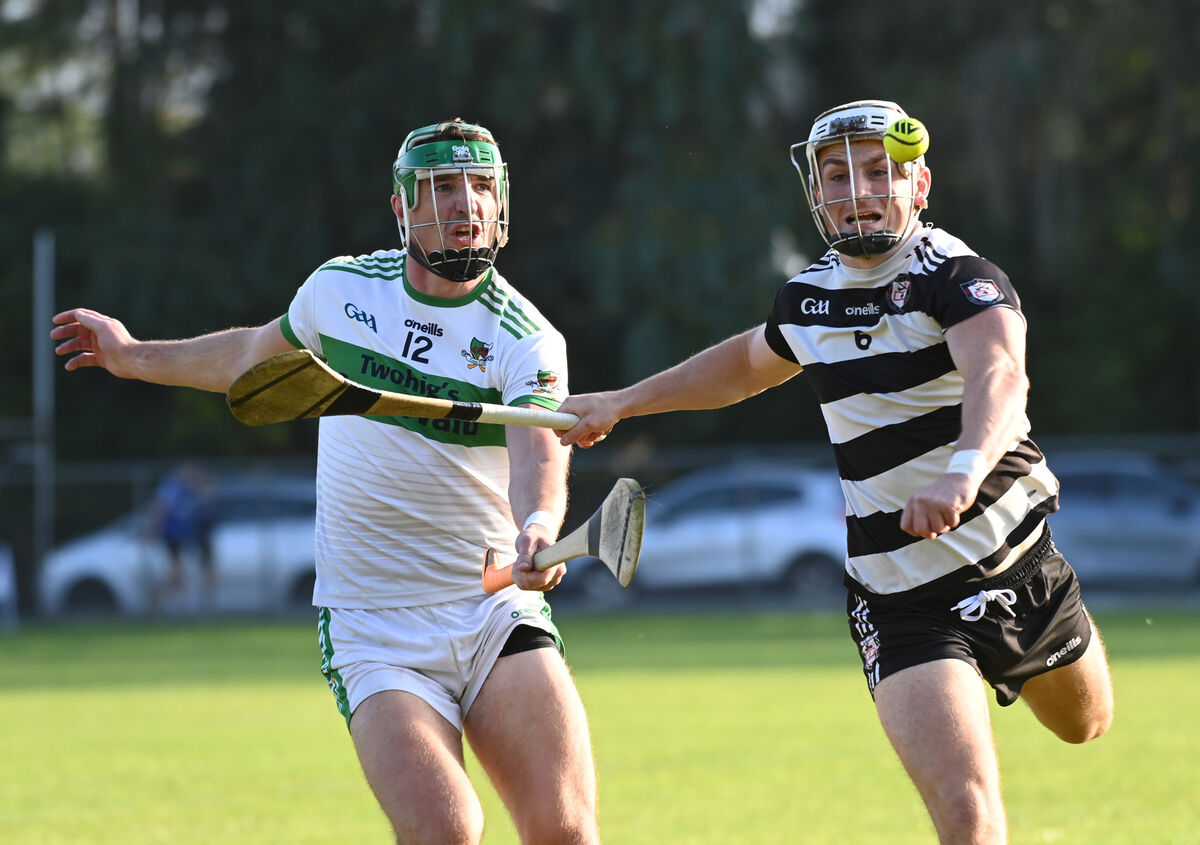
Cadogan and Walsh’s Cork careers though, were distinctive in how much they oscillated between both codes.
Cadogan went from hurling to football, to combining both, before focusing on football, then committing fully to hurling. Walsh started as a footballer, then tried both, before committing to the hurlers, returning to the footballers, and finishing his inter-county career as a hurler.
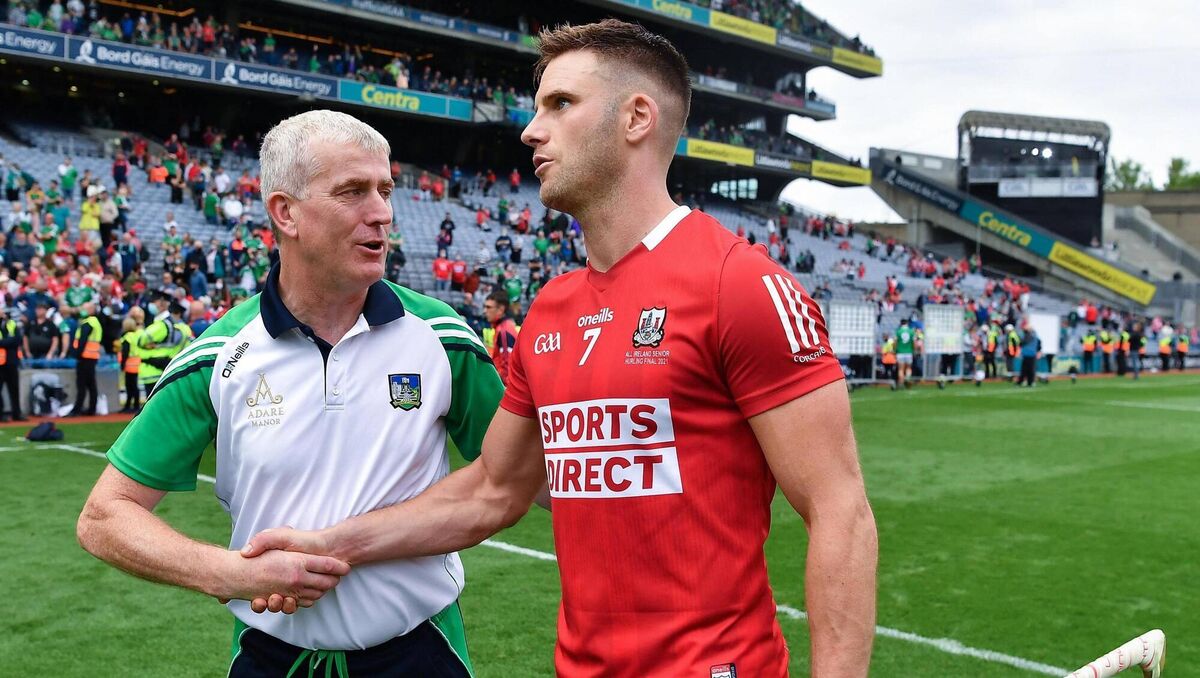
Conor Cahalane doesn’t have anything like the same profile as those players, but his reasoning for opting for football now is based on him being let go from the senior hurling squad.
Yet Cahalane’s situation is more unique again as the 27-year-old never played underage football for Cork, having always been a hurler at inter-county. Joining the panel so late in the season is another massive challenge, especially when Cahalane has never been exposed to the new rules.
Time is his enemy but pedigree is a huge asset. It’s not as if Cahalane isn’t aware of what’s required to survive at this level either, having been an inter-county hurler for six years.
One of Castlehaven’s best players during their recent dominance of the club championship, Cahalane has all the tools necessary to try and bridge that gap; athleticism, searing pace, ambition (which he has shown by joining the football panel so soon after being let go from the hurling panel), a selfless attitude, a good skill-set, always keen to learn, a great team-mate, with an outstanding work ethic.
And any squad would be delighted to have a player with those qualities.



 App?
App?


