Christy O'Connor: GAA players want more control over how their images are used
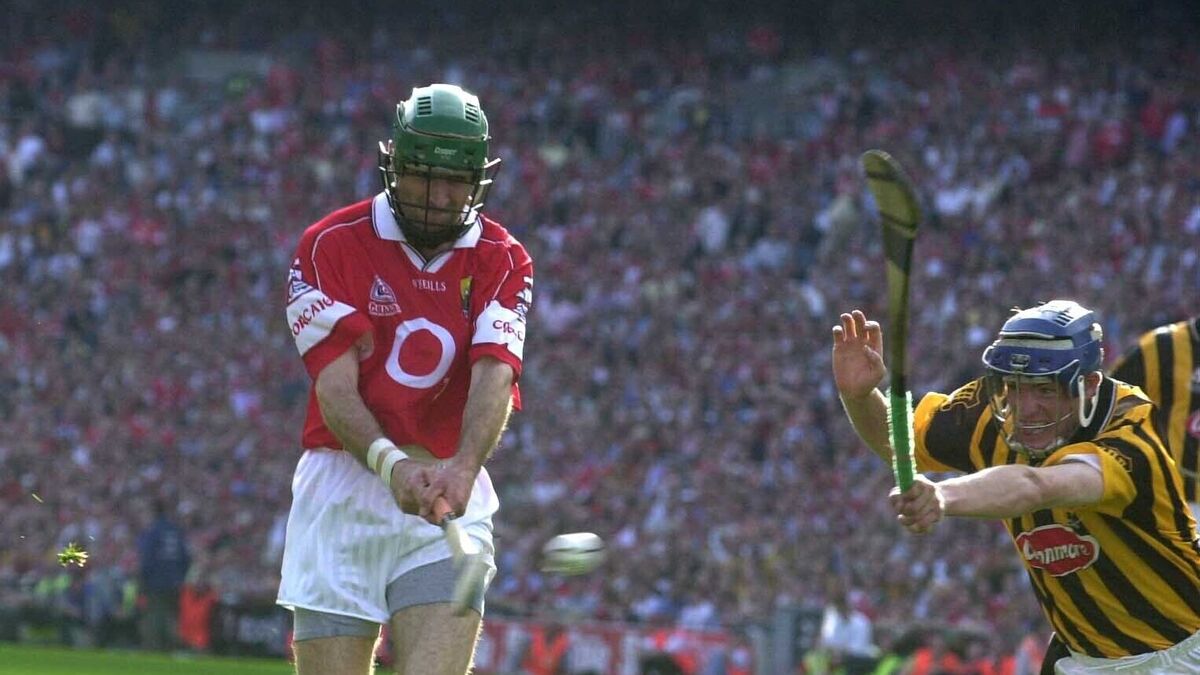
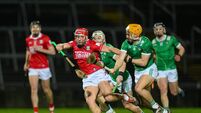
Cork's Jerry O'Connor shoots for goal against Kilkenny in the 2003 All-Ireland hurling final. Picture: Eddie O'Hare
A week before the 2017 All-Ireland football final, two Dublin players and one Mayo player featured in an advertisement which appeared in a Curragh race card meeting.
None of the players had given permission for their image to be used in the ad and that permission had not been sought by the bookmaker. So the Gaelic Players Association took up the case, writing to Paddy Power three days after the ad appeared.
Unsatisfied with the bookmaker’s response, the GPA brought the matter to the Advertising Standards Authority for Ireland. A year later, the ASAI upheld the complaint against Paddy Power. The players didn’t want to be identified and were not seeking any compensation from Paddy Power but their key motivation was the principle of consent.
There had also been history on the same issue with the same company. In 2015, the GPA made a complaint to Paddy Power about the use of players’ images on another ad campaign. They didn’t take the case any further, but they made it clear that the use of images in this manner would not be tolerated. And then it happened again two years later.
In their defence, Paddy Power argued to the ASAI that they had paid a fee to Inpho Sports Photography, who owned the copyright to the images. They also claimed that, under the advertising code, images could be used “where the purpose of the marketing communication is to promote a product such as a book, newspaper article, broadcast film of which the person concerned is a subject.”
Paddy Power tried to argue that the betting markets referred to in the ad were “a product”. In response, the ASAI rejected those arguments.
This topic first raised its head 20 years ago when the GPA called on Gaelic Telecom, the GAA's then telecoms partner, to remove Jerry O'Connor's image from their promotional material.
Throughout the 2000s, a number of issues around players image rights had raised their head until the GPA came under the GAA’s umbrella in 2010, where – as part of the agreement – they were no longer competitors.
The thorny issue of image rights was barely mentioned again for over a decade but, with the GAA’s commercial revenue having decreased last year, which impacted on the GPA’s funding, the GPA are determined to arrest that slide in revenue.
Last week, Shane O’Donnell, who was selected as Hurler-of-the-Year on Friday night publicly addressed the topic around the ownership of image rights.
As a member of the GPA’s national executive committee, the timing of O’Donnell’s comments were pointed, especially with his huge profile, and particularly with protocol negotiations between the GAA and GPA having begun the previous week.
Speaking on the BBC’s ‘ ’ podcast, O’Donnell expressed his frustration about his association with GAAGO and his image rights after a photograph of him was used to promote GAAGO, a service he doesn’t agree with.
"On the GAAGO's website all year, they're selling the season pass with myself and three other players, right above the part where it says 'buy for X amount of euro',” said O’Donnell. “To anyone, you could think that we're endorsing that or we have given our explicit consent that we would be put up there.
"That's just not the case. We weren't even asked. I don't even want to benefit financially from that. I don't want to be endorsing GAAGO because I don't agree with it. So really, I just want them to ask me, can we put your image up there? (I'd say) no.”
The basic premise of O’Donnell’s argument, like so many players before him, is around consent, and having some control over their image.
“Basically,” he said, “we don't own our image.”
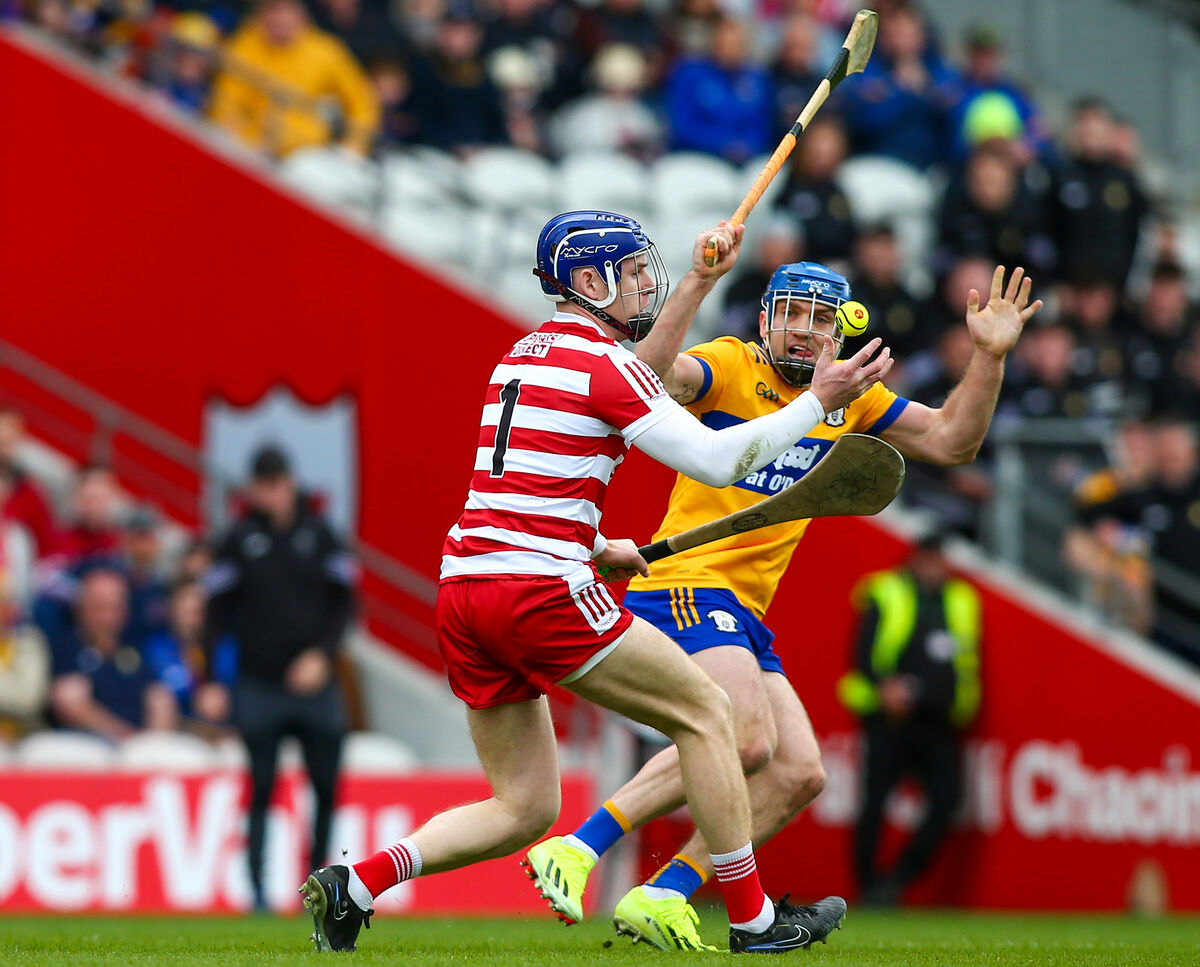
Having the consent of the player has always been the core issue around the infringement of image rights but that has always been difficult in an amateur organisation. Unlike professional athletes, whose image rights are protected on a contractual basis, GAA players don’t have that kind of contractual protection.
When players join the GPA they automatically assign their image rights to the organisation so that the GPA can act for them when complaints arise.
Now that another one clearly has, or where a player is clearly aggrieved on the matter, do the GPA lay claim once more to inter-county players’ image and likeness rights?
In the early days of the organisation, that was one of the GPA’s chief bargaining tools in trying to gain forge a better deal for the players.
"This type of thing has been going on and on," said GPA chief administrator Donal O'Neill back in 2002. "Players don't understand that their images are being exploited."
College sports are not pay-for-play but the commercial and financial revenues around those sports are massive. After years of frustration, where college athletes were playing before packed stadiums and in front of millions on TV in a multi-billion dollar industry, those athletes were finally given the opportunity in 2021 to benefit from their name, image and likeness.
The GAA won’t want to go down that road, but they also know that the GPA have a massive weapon in their armoury at a time when they’re looking to improve their future funding arrangement.



 App?
App?


