S&C coach Fionn O'Shea helping clubs find that extra edge
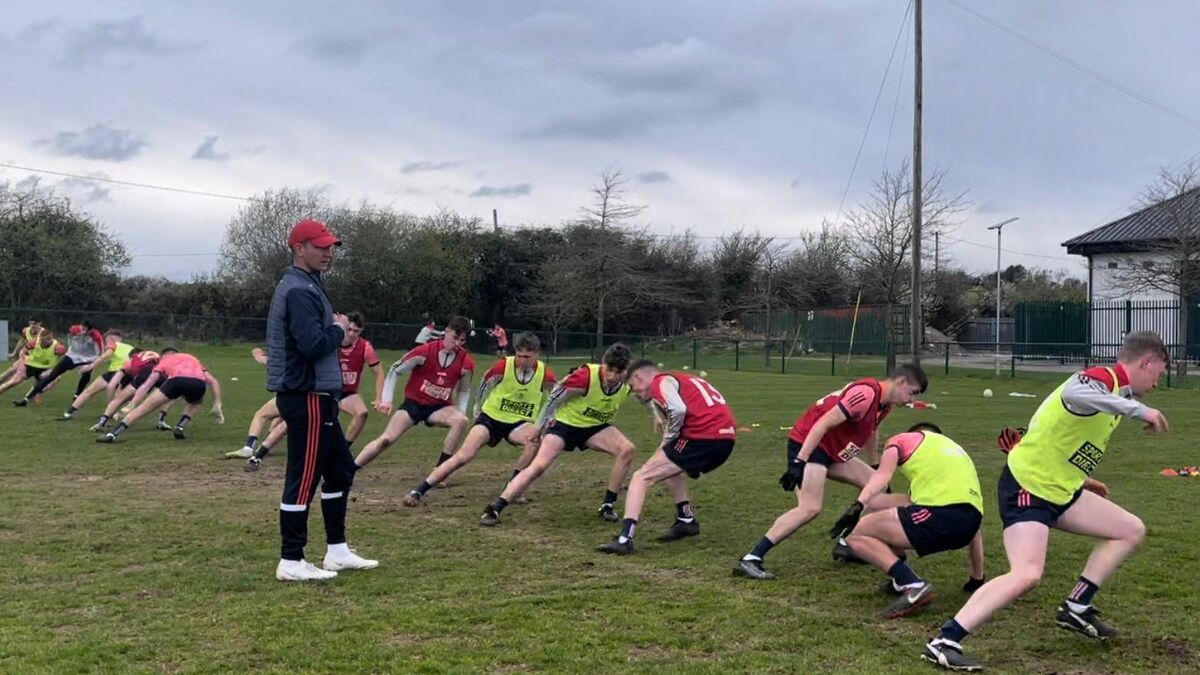
Fionn O'Shea when he was S&C coach with the Cork U20 footballers.
Every club in Cork looks for that marginal gain in their pursuit of success, with the role of strength and conditioning coaches now a huge part of the jigsaw for management teams.
Former Clyda Rovers player Fionn O’Shea has been making great strides in his role as a strength and conditioning coach since he went into that job a number of years ago after retiring from playing. O’Shea was a solid player for his club with his display at centre-back in the PIFC final win over Macroom in 2013 sticking out. After years of trying, the North Cork side finally got over the line, so O’Shea knows exactly all about fine margins and the ability to go through the pain barrier.
“The GAA is evolving year by year and it’s all about finding that extra couple of percent,” he says.
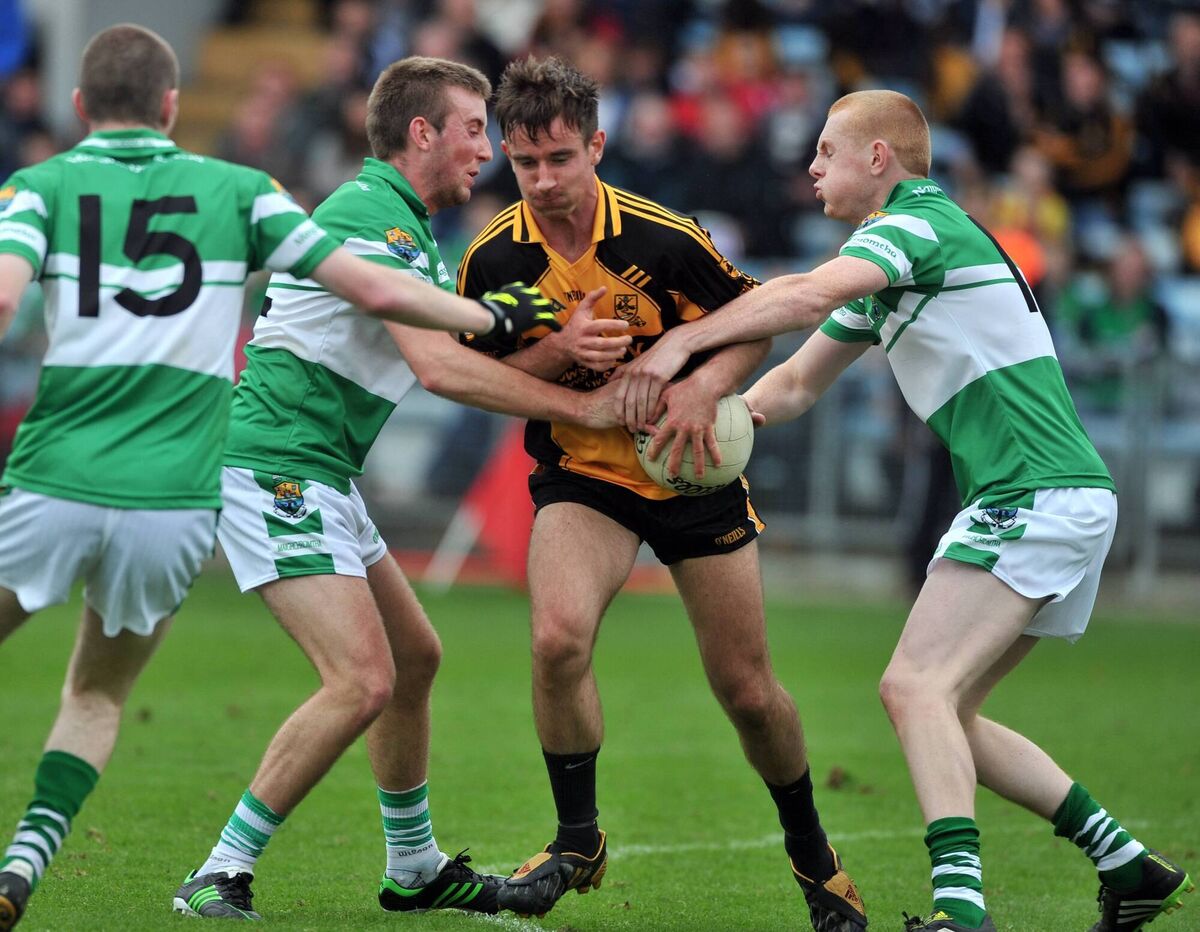
“Every team wants to better themselves, so they are going above and beyond to achieve their goals. The demands of the game is improving because the preparation is getting better as well. For example, compared to 10 years ago, people are now regularly doing strength and conditioning work each week. Every club in Cork probably has a strength and conditioning coach these days of some sort to prepare them that bit better and to meet the demands.
“The game will continue to evolve. If you look at Armagh for example, who won the All-Ireland this year, they have come on leaps and bounds over the last few years. They have left no stone unturned. Their physical preparation, from my observation anyway, is really high and it does help in the grand scheme of things. It takes time. It’s important to build slowly and not to rush things."
O’Shea is a good man to answer the dual dilemma on Leeside. He can see both sides of the coin given he's involved with Castlehaven since the start of last season and Aghabullogue are another club added to his portfolio since the beginning of this year.
“Being a dual club is most certainly challenging now with the split season,” O’Shea said.
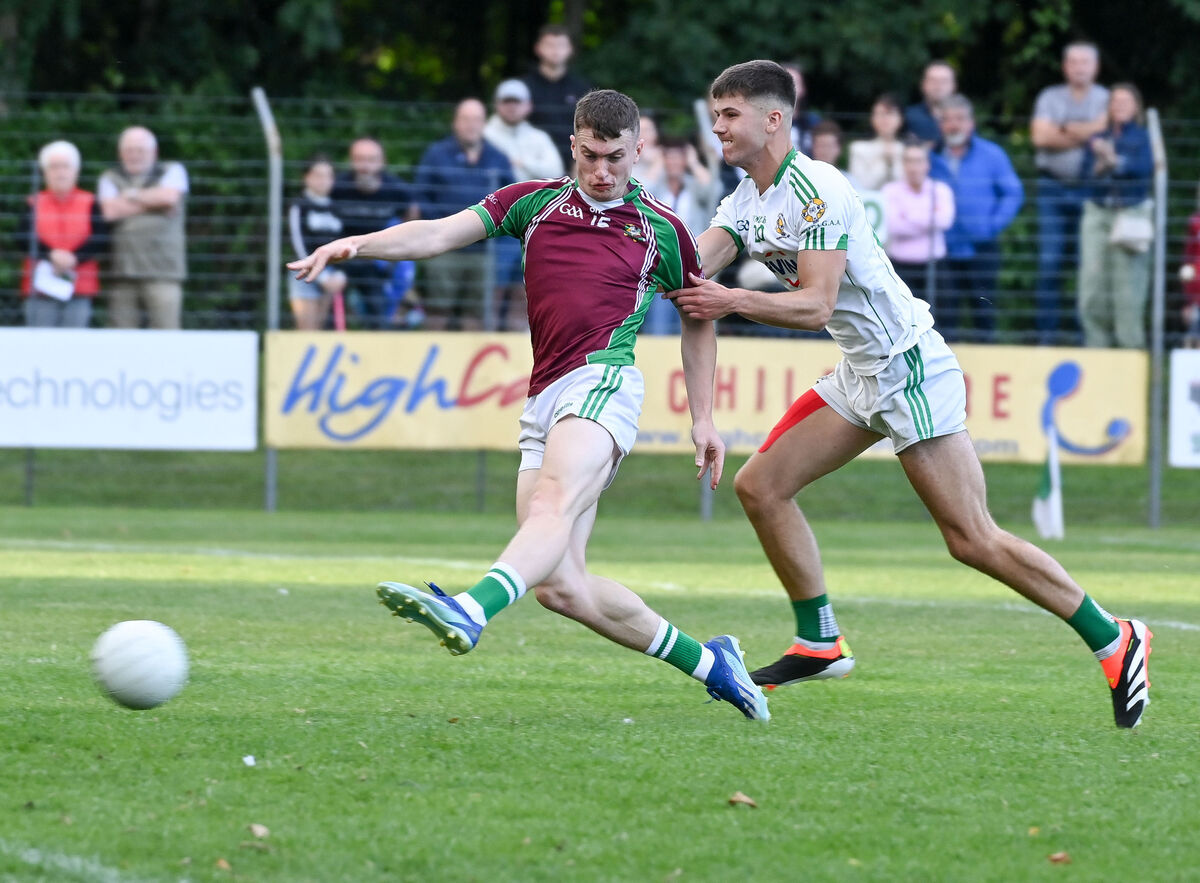
“It’s particularly difficult for the country clubs who would have more dual players and maybe not as big of a pick than the city clubs. From my point of view when dealing with dual clubs, I am working with two different management teams and trying to bridge the gap between the two and just getting an understanding of what the players are doing, it takes a lot of work. Good communication between everyone is important.
“I was just doing reports on players, and I am on week 30 for one particular club, so it’s a long season. You need to train early in the year to give the players a base, but you also need to give lads time off when they are due a break. It’s hard to train 30 weeks on the trot before the championship starts. It’s a long season, but everything is organised, so you just need to plan carefully.”




 App?
App?


