Cork hurlers' season could be hanging on the precipice after eight days of Munster action
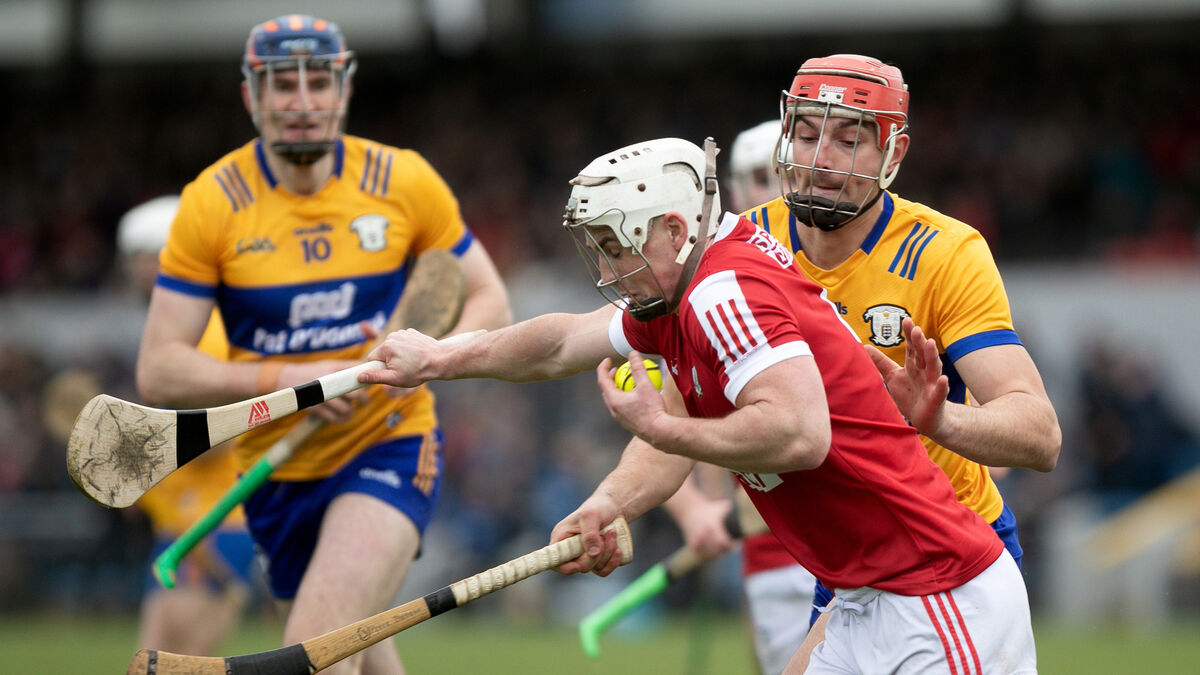
Tommy O’Connell of Cork in action against Peter Duggan of Clare in the league. They meet again on Leeside before the end of the month. Picture: INPHO/Natasha Barton
IN early November last year, Newcestown crowned a remarkable season when beating Dohenys in the Senior A football final to complete a glorious Senior A double.
It had been a hugely intense few months, with the club playing 13 championship games in just 15 weeks, going on a 12-game unbeaten run. The previous week, Aghabullogue had also written a perfect script, having gone 14 championship games unbeaten, which culminated in a single-point victory in the Cork IAHC and the IAFC finals against Midleton and Mitchelstown.
After such hectic schedules, Newcestown and Aghabullogue were lucky (although they may argue unlucky) that they didn’t have Munster club campaigns to play once their season in both codes came to an end.
In hindsight, both clubs could point to the momentum and confidence they got from being on such a consistent roll of winning matches, irrespective of having to switch codes every second week. Yet plenty of other clubs had been on similar crusades in recent years and came up short because the volume of games eventually caught up with them.
Newcestown and Aghabullogue did buck the trend but the reality is that ambitious dual clubs who are targeting success in both codes are almost being punished for that pursuit.
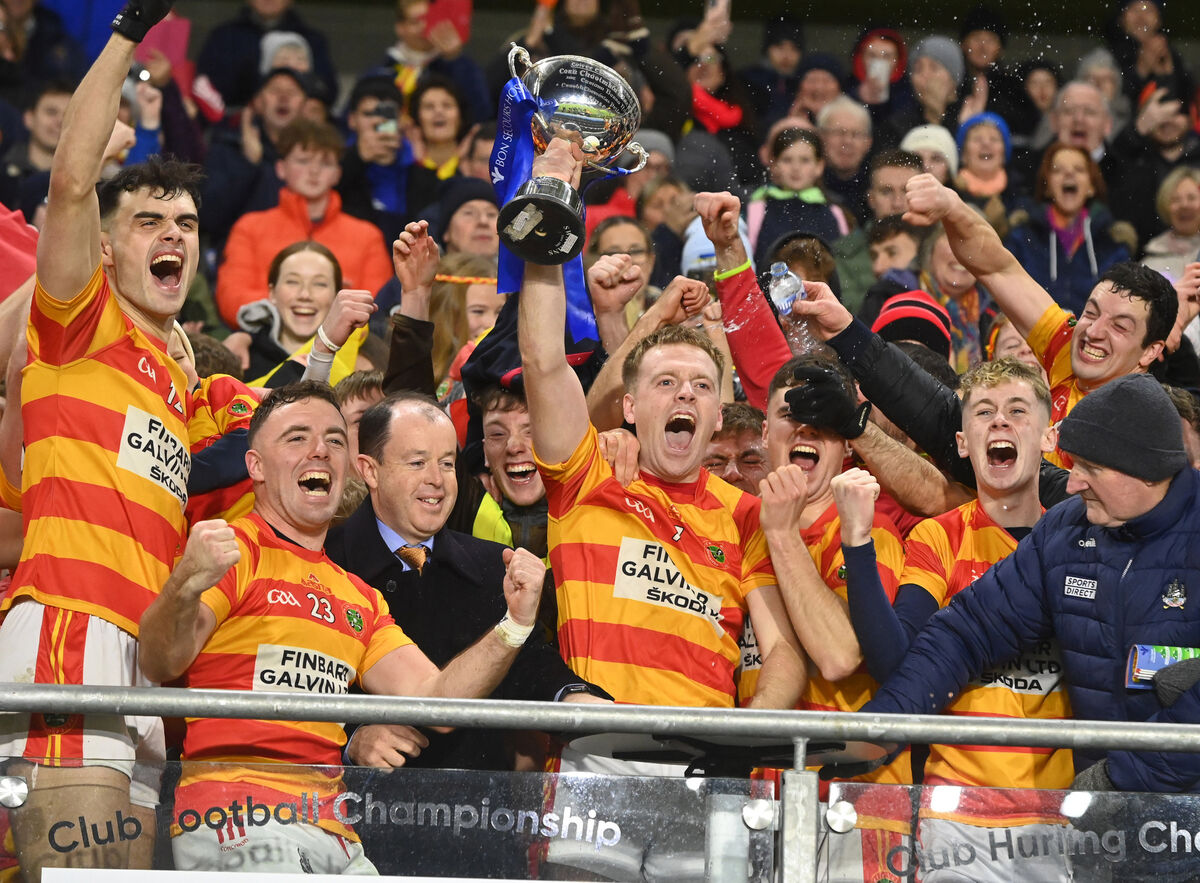
The previous year, St Finbarr’s came up short in their bid for a senior double, losing the football decider after having won the hurling final.
The ‘Barrs ended a 29-year wait but their season was dangling by a thread within the space of eight days when they trailed Blackrock heavily in their second game before recovering to win by one point.
After drawing their opening game against Charleville, having just one point on the board after two rounds may have derailed the Barrs’ before their season had even warmed up.
Last year, Glen Rovers experienced that hard reality when their championship ambitions were over within the space of nine days after losing to Blackrock and Midleton. It got much worse afterwards when defeats to Bishopstown and Kanturk saw the Glen relegated.
When the executive of the Cork County Board were drawing up their fixtures last January, they made sufficient tweaks to reduce that load and stress involved.
By putting in a break week after the first set of hurling fixtures, dual clubs also get a break after their first two fixtures, with a further break also coming after the next round of hurling and football matches.
There isn’t any dual-player issue at inter-county level but, eight days out from the start of a mouth-watering Munster hurling championship, one – or possibly two – of Cork, Clare and Limerick could have their season hanging on the precipice after just seven days.
A week after Cork travel to Waterford, Clare are in town, seven days after Brian Lohan’s side have played Limerick. On that same afternoon on April 28th, Tipperary arrive into the Gaelic Grounds to take on Limerick.
Two defeats doesn’t necessarily mean anything. Cork lost their opening two matches to Clare and Limerick in 2022 (within the space of two weeks) and still qualified from the province. But two defeats in a week, and the physical and mental toll it may exact, could be far more damaging this time around.
When the round robin format was first introduced in 2018, Dublin and Offaly saw their championship effectively come to an end inside just seven days, with Offaly losing to Galway and Kilkenny, while Dublin went down to Kilkenny and Wexford by margins of just two points on both days.
Dublin still had a chance to get four points on the board but, with Galway expected to beat Wexford and Kilkenny – which they did – Dublin already knew that Kilkenny and Wexford would knock them out on a head-to-head if one of them ended on four points with Dublin.
In that regard, Dublin knew that they wouldn't advance after just seven days, despite coming so close to beating two of the top three teams in the province.
The championship is different now, as Offaly – who were relegated to the Joe McDonagh Cup after that 2018 campaign – were forced to play four games in 21 days, just as Waterford, Tipperary and Wexford also were.
That schedule was completely unfair and unrealistic and, while the format allows more breathing space now, is it enough?
“It would be brilliant if we got a week between every game,” said Pat Ryan a few weeks back.
“It’s very hard on players,” said Ryan. “It’s really, really competitive and you have to be flat out for it.”
The reasons why there isn’t more time and space is tied into a multitude of other factors, especially within the split-season, but it’s been much harder for teams to prepare properly this year with the atrocious weather.
The glut of games too in such a condensed time-frame is restricting the GAA’s ability to maximise the profile of its most attractive provincial product.
There are a number of possible options to create more space; pushing back the league, getting rid of the preliminary All-Ireland quarter-finals, extending the season by a couple of weeks.
Yet, however the GAA go about it, that space has to be found somewhere – especially for the players - to give the Munster hurling championship the time and opportunity it fully deserves.








 App?
App?


