Christy O'Connor on why Chris Óg Jones and Conor Corbett can be key Cork forwards this year
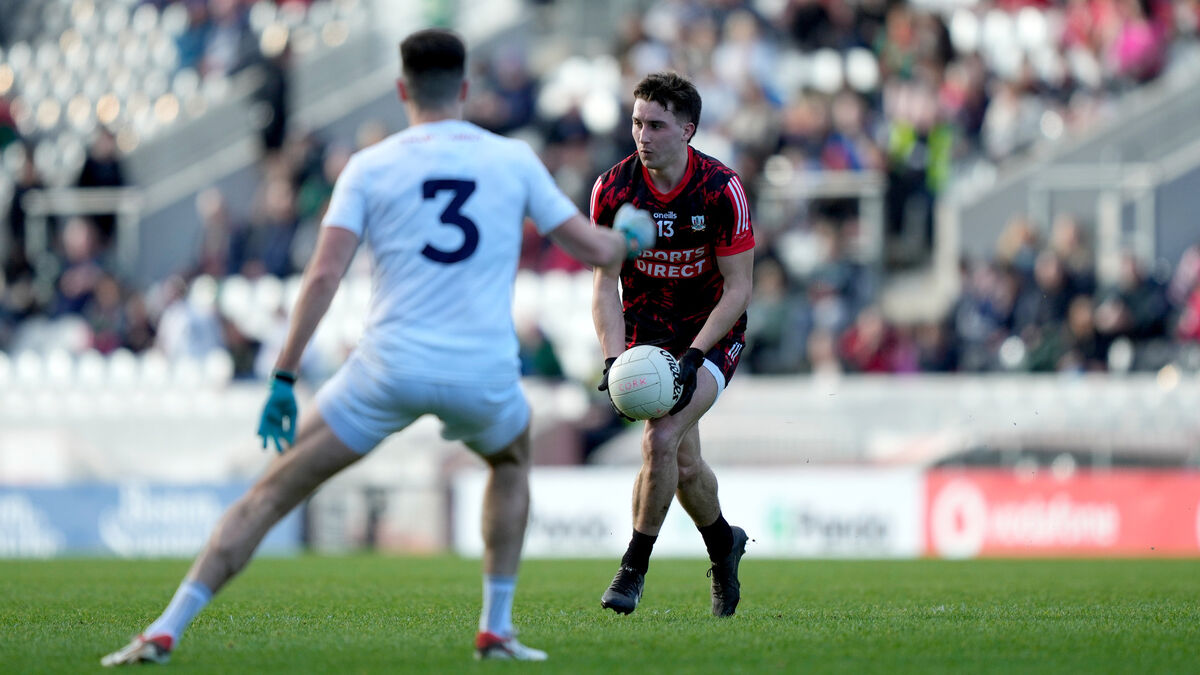
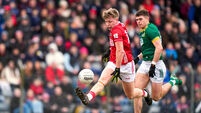
Chris Óg Jones has impressed throughout the league for Cork. Picture: INPHO/James Lawlor
AT the time, it felt like being a decisive decision for Kildare, but it ended up being a critical play for Cork, one that not only turned the game around, but which also completely flipped the mental and physical energy of both teams on its head.
Four points up with the four minutes of first-half additional time having been played in Páirc Uí Chaoimh on Sunday, Daniel Flynn had possession and, while he was trying to work the ball into a better shooting position, Flynn should have taken on the shot.
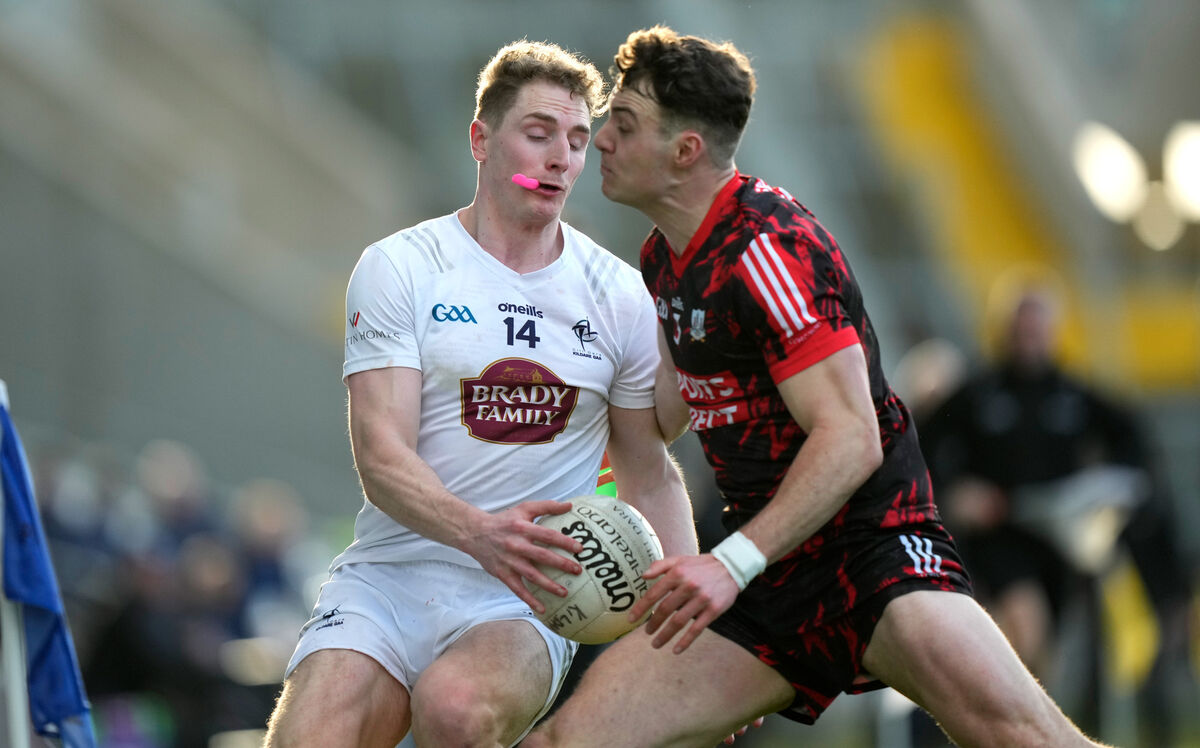
The half would have been over on the subsequent kickout. Whether Flynn would have scored or not, Kildare would still have gone in two scores ahead and feeling good about themselves. But Flynn’s pass was cut out by Kevin Flahive and Eoghan MacSweeney latched onto the break and offloaded it to Matty Taylor.
Similar to Jack O’Connor’s goal against Waterford the previous week, Cork had the right player on the ball with the central channel completely having opened up.
For a team like Kildare, whose brittle confidence had been restored and replenished during the previous 38 minutes, those stocks were drastically diluted and reduced within the space of the 14 seconds it took from Flahive forcing the turnover to Walsh’s strike hitting the back of the net.
The body language of both groups was highly instructive as the players made for the tunnel; Cork had finally ignited the spark they’d been craving; Kildare knew that they’d surrendered the initiative – and at just the wrong time.
Of course, that may sound overly simplistic, especially when there was still a full half to play, and when a team can turn a game around at any moment. But in the context of what had just unfolded in that first half, Cork needed an injection of positivity to prevent them from going into themselves and thinking that this could be another one of those dark days.
The first half was bound to be cagey and tight, especially when there was so much at stake for both teams, but the first quarter was on a different level in terms of caginess; from 22 attacks, there was only eight shots. Kildare had only three shots in that period but they bagged 1-2. Kildare only managed seven shots in that first half but the 2-3 they had on the board had almost equalled their average from their previous four games (0-10).
They had the initiative. Kildare looked to be in a better place on the stroke of half-time. And then everything changed.
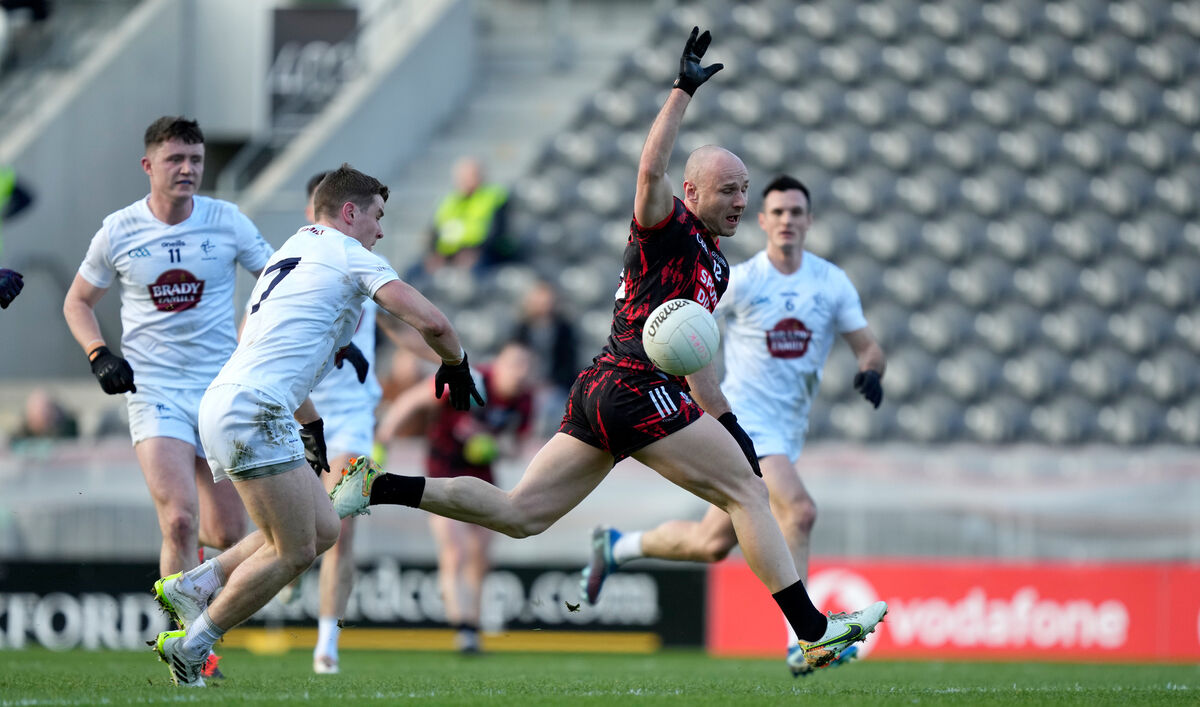
In fairness to Cork, they were more expressive, adventurous and gung-ho in that second quarter, having got off six shots from their seven attacks. But the goal was transformative in how much it energised Cork for that third quarter, and in how much it seemed to deflate Kildare.
In that period, Cork mined 1-8 from 11 shots, getting off a shot in all but one of their 12 attacks. As a comparison, Kildare only managed two points from just five shots in the same period.
Cork feasted on turnovers in the second half but they were also highly productive on their own kickout after half-time. Overall, Cork sourced 1-7 from their own restarts, while they only coughed up one point off Chris Kelly’s kickouts.
Cork mined 1-9 from turnovers but the opposition, and where Kildare find themselves, has to be taken into consideration in any full assessment of Cork. But when John Cleary’s side play with confidence and they move the ball quickly, especially into their attack - particularly their inside line - Cork look like a team capable of competing at a high level.
Their pace, smart angles of running and strong support play was incisive - Cork created seven decent goalscoring chances.
Conor Corbett gradually grew into the game and showcased just how lethal he can be; from seven second-half plays, Corbett scored 1-2, secured a mark and was centrally involved in another score.
He had more possessions than anyone else (30) and, while a good share of those were back the field, Jones still kicked three points from five shots, as well as having an assist.
There are other huge positives. Colm O’Callaghan’s increasing excellence is being matched by an increasing level of leadership. Brian O’Driscoll, who was excellent, has added a more accurate edge to his hard graft. And Chris Kelly’s kicking game has the potential to be polished into more of a weapon.
It may have taken that injection of confidence from Walsh’s goal to bring it out but Cork have a nice blend and balance to their side when they are in full flow. Cleary and his management will be pleased but they also know that they still have plenty to do to secure their survival in Division 2; a team that hadn’t scored a league goal in 12 months created five goal chances; despite Cork’s dominance after half time, they still only had five more shots than Kildare in the second half. A match that Cork could have won by 10 points was still only decided by one score.
Cork still have two tricky games left but they have given themselves a huge foothold now. Especially when the three teams below them – Fermanagh, Louth and Kildare – still have to play each other.
Yet they can’t be relying on other results or other teams to do them favours. Cork need to take care of business themselves in the coming weeks. But they’re on the right road to do so.




 App?
App?


