Colour codes: the stories behind clubs' kit choices
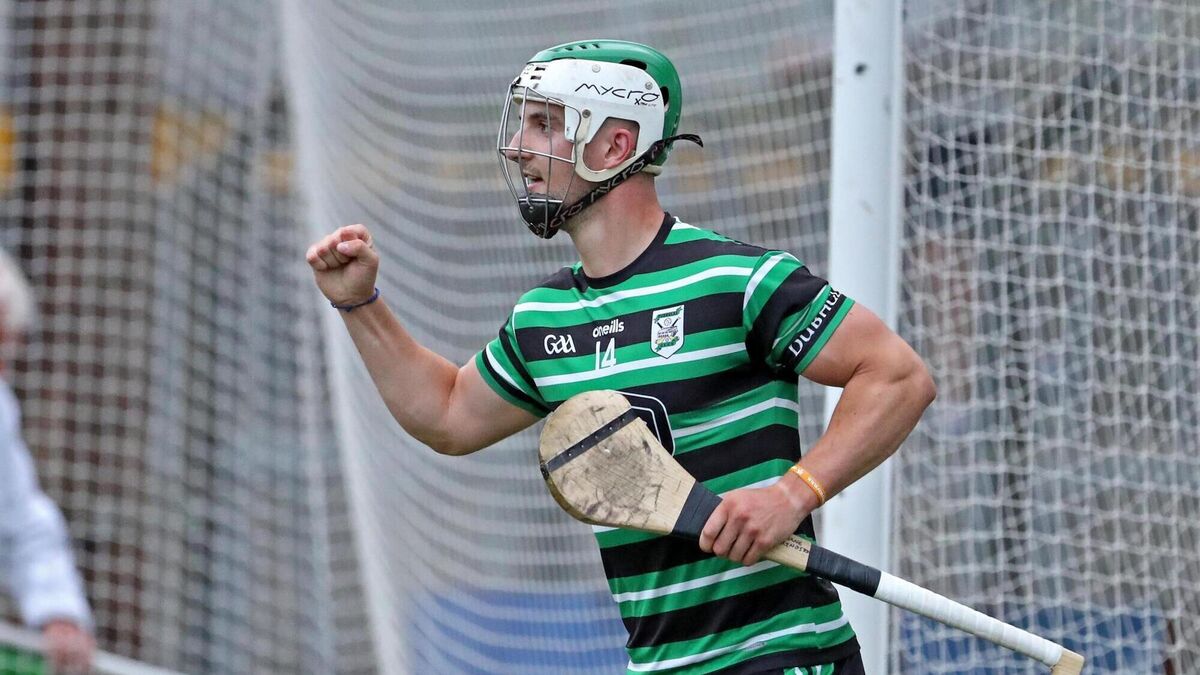
Shane Kingston of Douglas - the club landed on their colour-scheme as a result of Bective Rangers returning a set of jerseys to Sunbeam.
The past few weeks have seen O’Neills unveil a number of new county jerseys.
With the current Cork kit having been released in November of last year, the Rebels will have the same outfit for 2024 but there is a new black and red training kit that may prove to be a popular Christmas stocking filler.
Given that county colours are now so entrenched, it’s hard to foresee any major deviations in the future, though it is of course worth remembering that the early years of the GAA saw Cork wear saffron and blue. When their set was confiscated by Crown forces, the county board procured the red jerseys of the former Fr O’Leary Temperance Association team that had recently merged with St Finbarr’s and the rest is history.
At club level, too, there are some interesting tales as to how teams ended up with their colour-combinations.
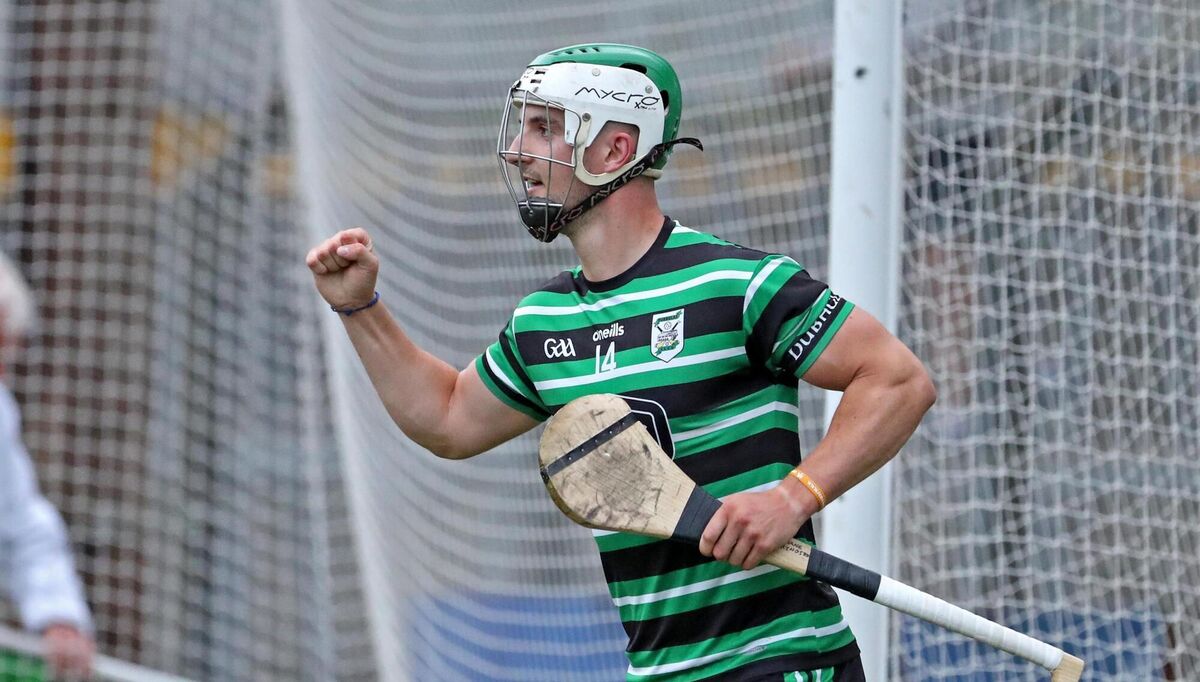
For Douglas, the village’s name in Irish on the sleeves of their jerseys is something of a giveaway: ‘Dubhglas’ is proclaimed, literally translating as ‘black-green’, and they are the parish colours.
While a Douglas club took part in the senior hurling championship in 1888, it faded from existence around the 1910s, with a club called Castletreasure operating from 1918-26.
Then, in 1931, St Columba’s was formed and they wore a black jersey with a green hoop, the same style as that which Nemo Rangers use.
At the 1938 AGM, the Douglas name was adopted again and, at some point, the kit style was changed to green and black vertical stripes.
Then, in the 1950s, another change occurred. Brendan Larkin’s 1987 publication, ‘Douglas – 100 Years of GAA’ recounts how the club had just one set of jerseys between four teams, which presented problems.
Club member Joe O’Reilly worked in the Sunbeam factory and he brought it to the attention of the Douglas committee that a set of jerseys – green, black and white hoops – had been returned by Dublin rugby side Bective Rangers and this represented a good opportunity for Douglas to acquire a second set.
While Joe’s boss wanted £20 for the jerseys, Joe bargained him down to £12. While the ratio of the different colours has changed at times over the year, this look has essentially remained until the present day.
Having reached the 1960 Duhallow junior final, Kiskeam enjoyed an eight-point lead over Castlemagner at one stage but lost out and then, following a heavy defeat to the same opposition in 1963, one Kiskeam player walking off the field suggested that their blue and yellow jerseys should be burned.
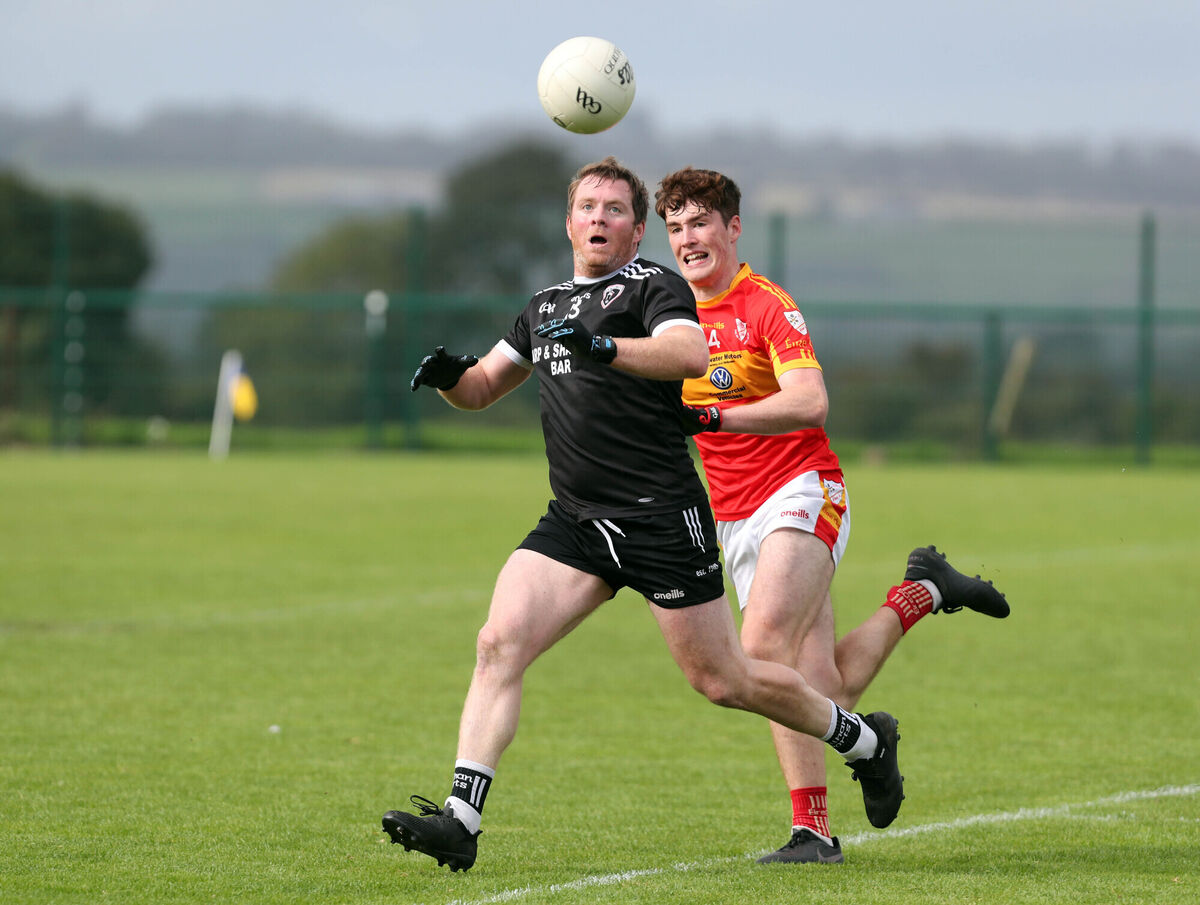
Whether or not the garments met such a fiery fate is unknown, but what is certain is they were not seen again as the colours were replaced. Prior to the start of the 1964 season, a change was afoot, as then-club treasurer and current president John P Murphy told The Echo’s John Tarrant in 2020.
“It came up at a club meeting,” he said.
“We needed to turn matters around, somebody spoke of the All Black rugby success in their familiar colours. Though there wasn’t too much money in the kitty, it was proposed and accepted to opt for a black jersey.”
Financial prudence was also a factor when Castlehaven were formed. Paddy O’Leary purchased a football and Rich Harmody was sent to Cork to buy a set of jerseys, with the instructions that they be cheap and suitable for everyday activity if the football idea fell through.
White was therefore the natural choice and the team became known as the Lilywhites.
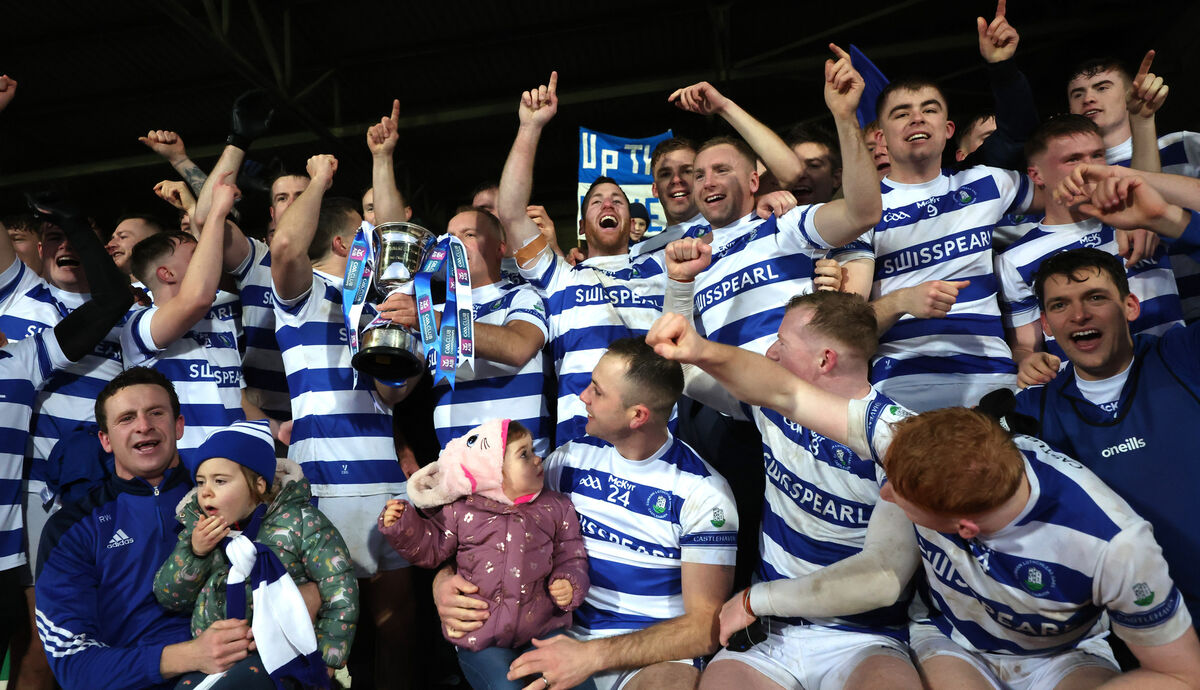
By 1957, a new set of jerseys was needed and local butcher Tom Walsh was the man given the task of sourcing them on this occasion. The order was white again, or something cheap if white wasn’t available — that’s what transpired and Tom returned west with a blue and white hooped set.
When Éire Óg came into being, they wore mainly red jerseys with blue accents.
Those colours remained until the mid-1950s. With the set of jerseys the club possessed falling into disrepair, funds to purchase a new set were low but Kilcrea native Denis Desmond – grand-uncle of current hurling goalkeeper Dylan Desmond – was a draper in Mallow and the local club had yet to collect or pay for the red and yellow set that they had ordered. Desmond offered the jerseys to his home club at half-price and so the tradition was born.
Operating in similar shades are Newcestown. The previous club in the area, St John’s, had played in red jerseys with black collars and cuffs and, at the first meeting of the new entity in 1958, there was a preference for that to be the dominant colour.
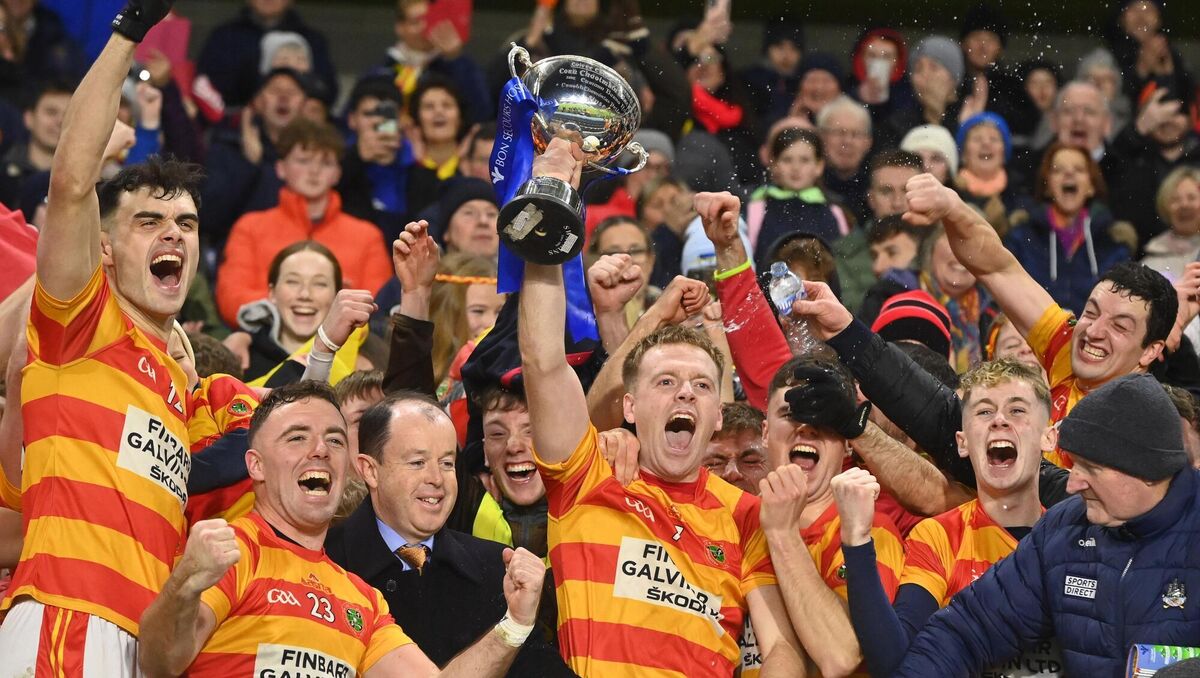
O’Donovan Rossa wore red and there were others with red and black and so, with uniqueness in mind, red and gold hoops was the decision made. They have certainly made their mark.




 App?
App?


